

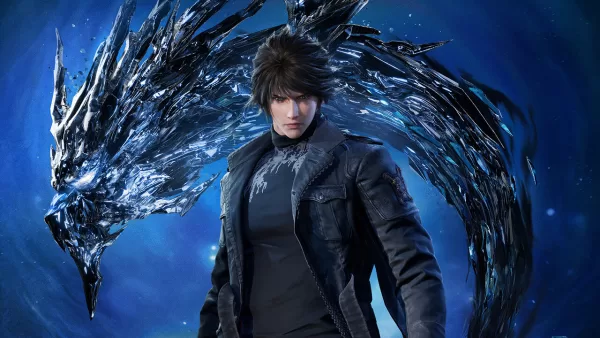
Lost Soul Aside is an action-adventure role-playing game developed by Ultizero Games and published by Sony Interactive Entertainment. It was released on PlayStation 5 and PC (Steam) on August 29, with game improvement patch updates as of September 19, 2025.
What started off as a solo project by Yang Bing in 2016, the game had gotten a lot of support and was eventually built by a team of developers. Based on an interview by Famitsu with Yang Bing in February earlier this year, the game has been inspired by multiple well-known game titles like the Final Fantasy franchise, Devil May Cry, Ninja Gaiden, and even Bayonetta. Expect certain inspired elements from the aforementioned IPs to appear in this game, which could bring a sweet sense of familiarity and nostalgia.
Considering that this is a new developer’s debut title with almost a decade-long production, Lost Soul Aside was, admittedly, one of the RPGs on my to-play list. I remember the early game trailer that I had watched back then, and I had long since been captivated by the impressive action gameplay and visuals.
So does this meet expectations? Well, there are certain pros and cons to playing Lost Soul Aside.
Stellar Visuals
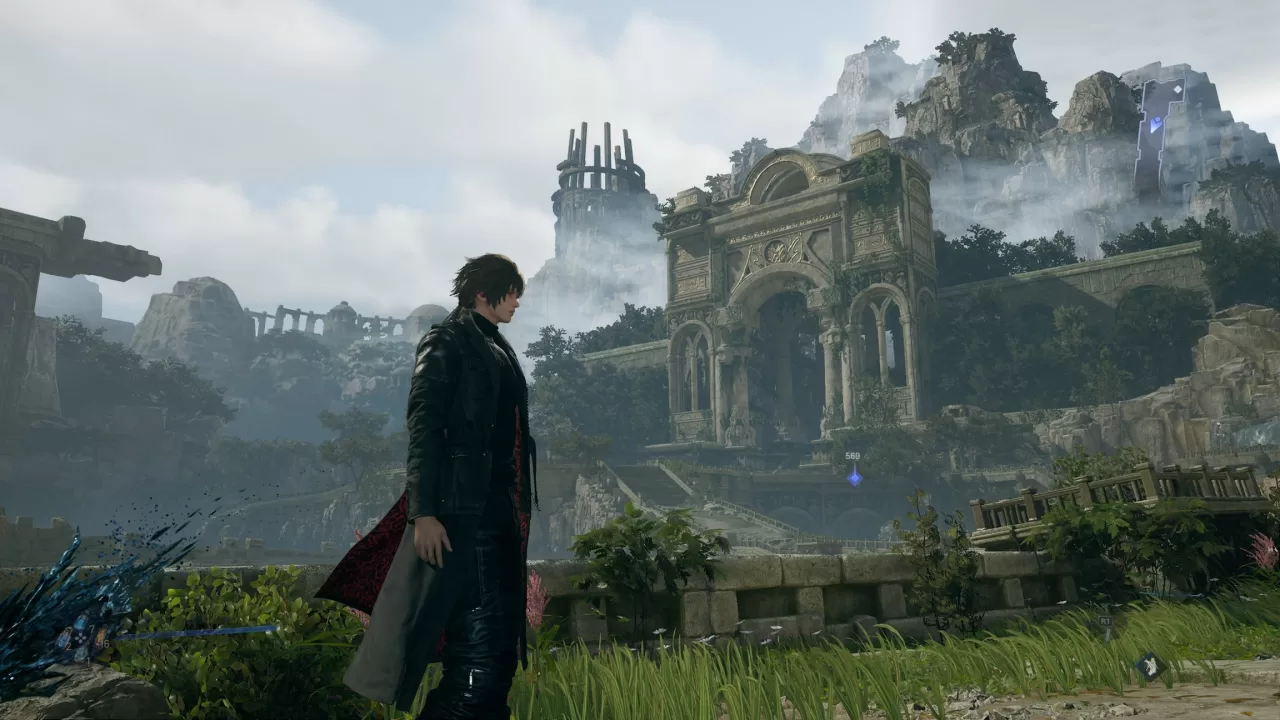
Lost Soul Aside pulled out all the stops in the game’s visuals and design. Roen, the same clothes designer for Final Fantasy XV, makes a comeback to the gaming scene by designing the protagonist’s look.
Shining, shimmering, and splendid is how I would describe a lot of the visuals in Lost Soul Aside. Exploring the expansive, beautiful locations was fun to do, and the experience was further enhanced due to the immersive environmental effects (fog, dust, etc.). I alternated between Performance Mode and Graphics Mode on the PS5, and I noticed no difference or downgrade in the visuals.
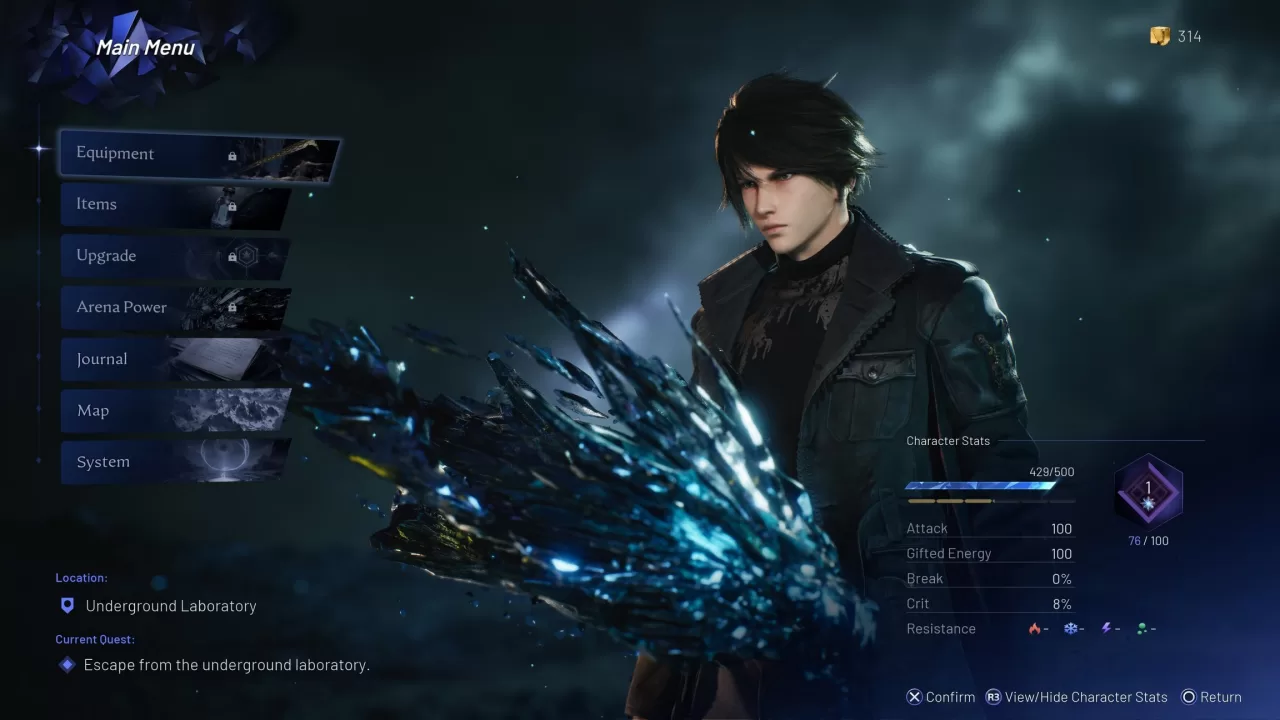
The user interface design is something to take note of as well. It’s really elegant and sleek, and easy to navigate.
My only gripe with regard to the visuals is the rather confusing theme that Lost Soul Aside wants to showcase. Some of the character designs look rather exaggerated, given the aesthetic of the game’s universe, but perhaps it was a matter of my personal preferences. I cannot deny that the designs are very intricate and rendered exquisitely, even if the concepts can definitely appear completely foreign and alien, and perhaps, a bit out of place.
All in all, it’s truly a gorgeous game, and coupled with its buttery-smooth gameplay, this had me playing more than 30 hours during my first playthrough.
Buttery-smooth Gameplay
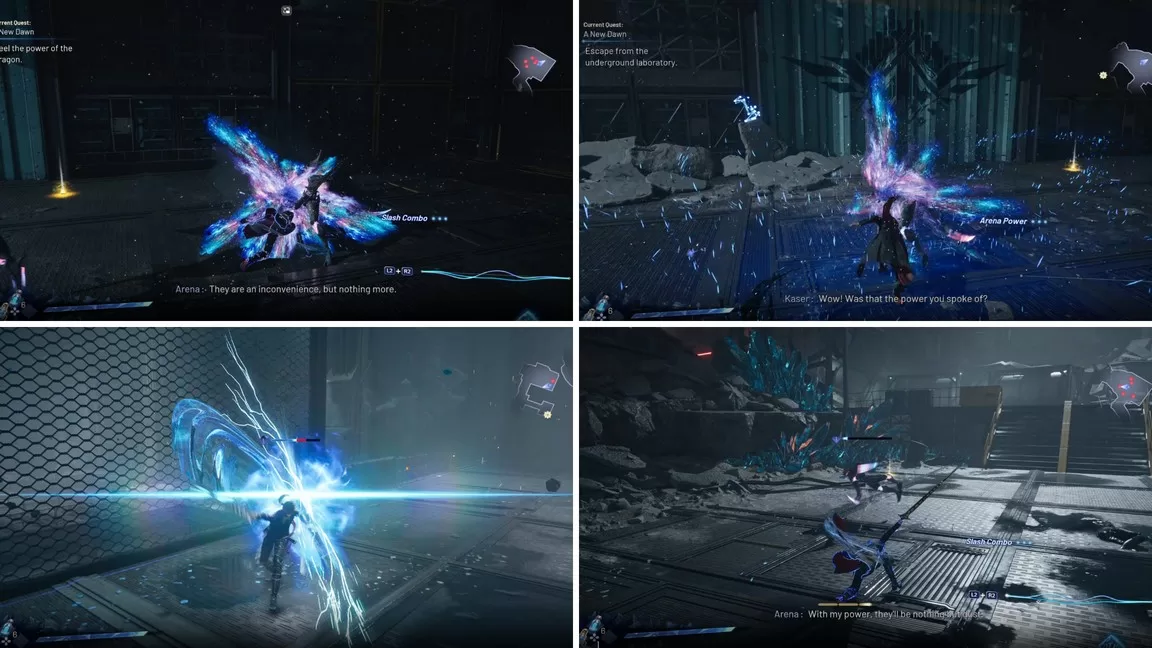
Lost Soul Aside’s gameplay was what hooked me the first time I saw its teaser trailer. The gameplay is highly reminiscent of the Devil May Cry and Bayonetta franchise with its multiple weapon changes mid-battle, buttery-smooth combos, and perfect dodging/blocking mechanisms. While it was difficult to get in touch with the combos at first, it had become a breeze the more I played throughout the chapters.
Each weapon you acquire comes with skillsets you can upgrade with skill points to suit your combo preferences. Skill points are increased by collecting “Voidrax Crystals” that can be found by exploring locations and defeating enemies. Arena Power, Fusion Merge, and Sync Finishers are special skills you can use within battles, which are used with your otherworldly companion, Arena.
Customizing weapons, called “Weapon Assembly”, and morphing them together to create new weapons, are available in this game. I was not expecting that attaching accessories to the weapons appear ON the weapon itself (even if they’re not aesthetically cohesive with the weapon). You can toggle them to be invisible at least. I can say this feature was quite pleasant and refreshing.
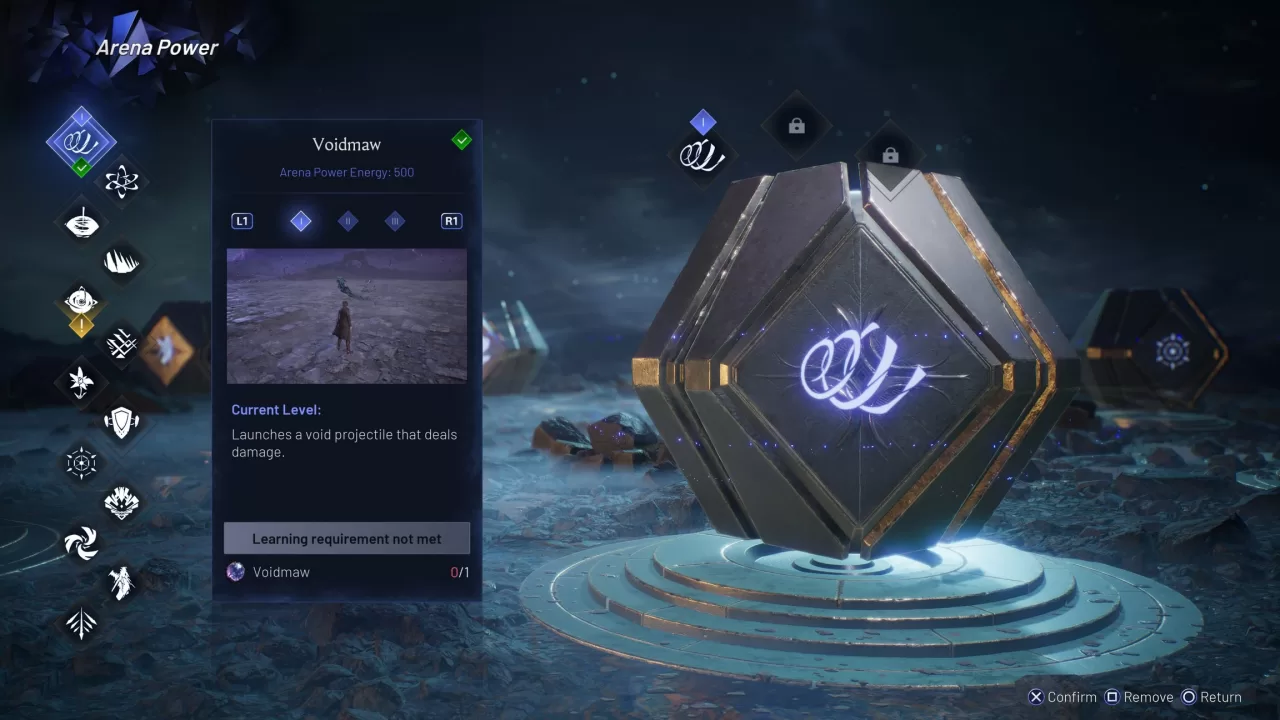
Furthermore, you can also equip trinkets with qualities to improve your character stats and skills. However, there is only a limit of three trinkets you can equip, which goes the same with Arena Power; so you have to decide which stat increases and powers you should prioritize to use.
To be frank, I am not the best at toggling weapon accessories. I only chose a lot at random, especially when I was in the middle of a battle and needed a different elemental weapon. I barely noticed any difference, really. As long as the weapon stats increased, I was ready to battle and unleash my combos. The game is not strict on changing equipment mid-battle, so this feature added to the smooth experience.
Refreshing Levels, Confusing Pace
This game does not put pressure on your combo style, for it does not possess any grading system after every battle. This can be disconcerting at best, especially if you are used to the titles this game has been inspired by. But at least you can proceed with the next chapters and battles without worrying about your perfect combo styles (or lack thereof) in various game levels.
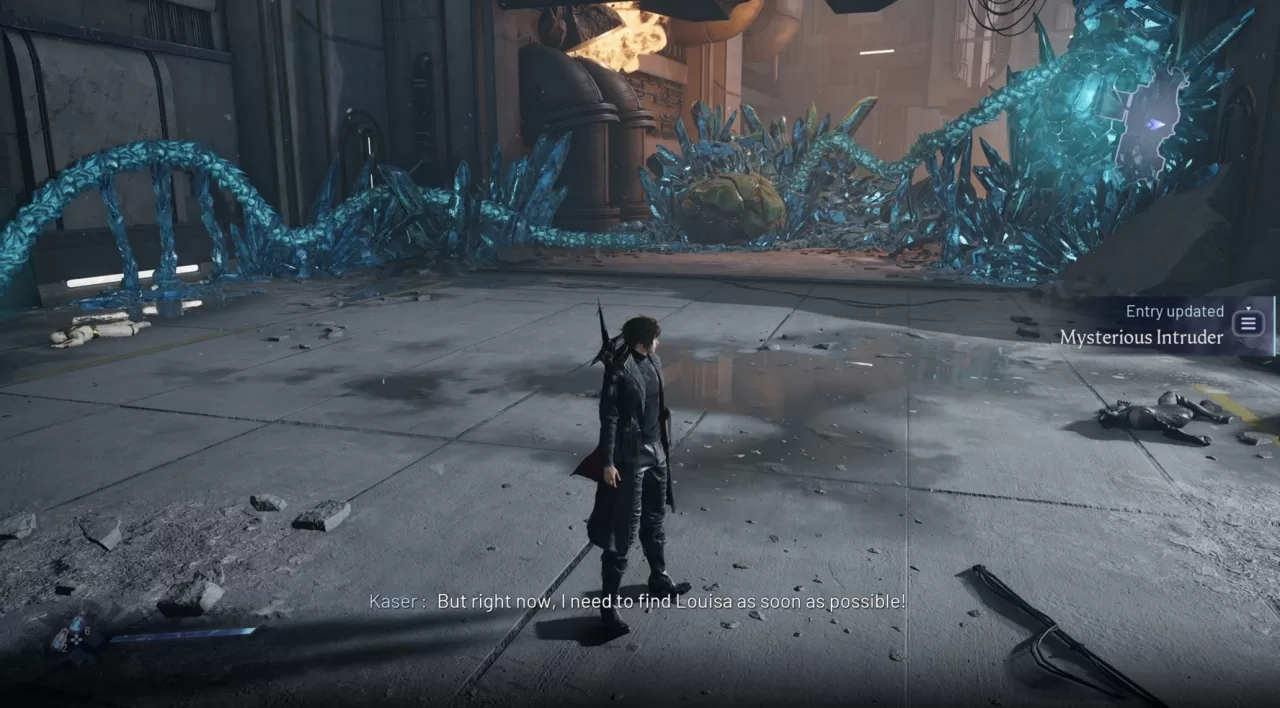
Speaking of game levels, the pacing of the game baffled me. During the first few hours, I was immediately thrust into multiple battles to test my feel of the gameplay. The battle tutorial ones were okay, but suddenly getting thrown into multiple succeeding boss battles without many skills so early in the game was the shock factor.
The spike of enemy difficulties per level/chapter was confusing. There were certain enemies that were irritating to defeat, and there were some that were surprisingly easy to dispatch, despite how far ahead I was in the game. It is with this inconsistency that I spent a lot of time just trying to get past a level, only to be met with a far easier boss battle at the end of a chapter. Of course, if you were to equip the game’s freebie trinkets after your multiple deaths, the playthrough would be easier (if not, TOO easy). It’s like the game’s way of apologizing for the challenges it had put me through. The experience could be quite anticlimactic.
Admittedly, the more I played, the more I got to unlock more skills and weapons to make my gameplay easier. However, I noticed that it took me a long while before unlocking the next batch of weapons that would make my combos easier. It had me questioning, like, ‘where were you during the past few chapters?’ Wouldn’t it be more prudent to release the weapons a bit closer together to practice combos early on? But then again, there was no style ranking to root for to be nitpicky with the combos anyway.
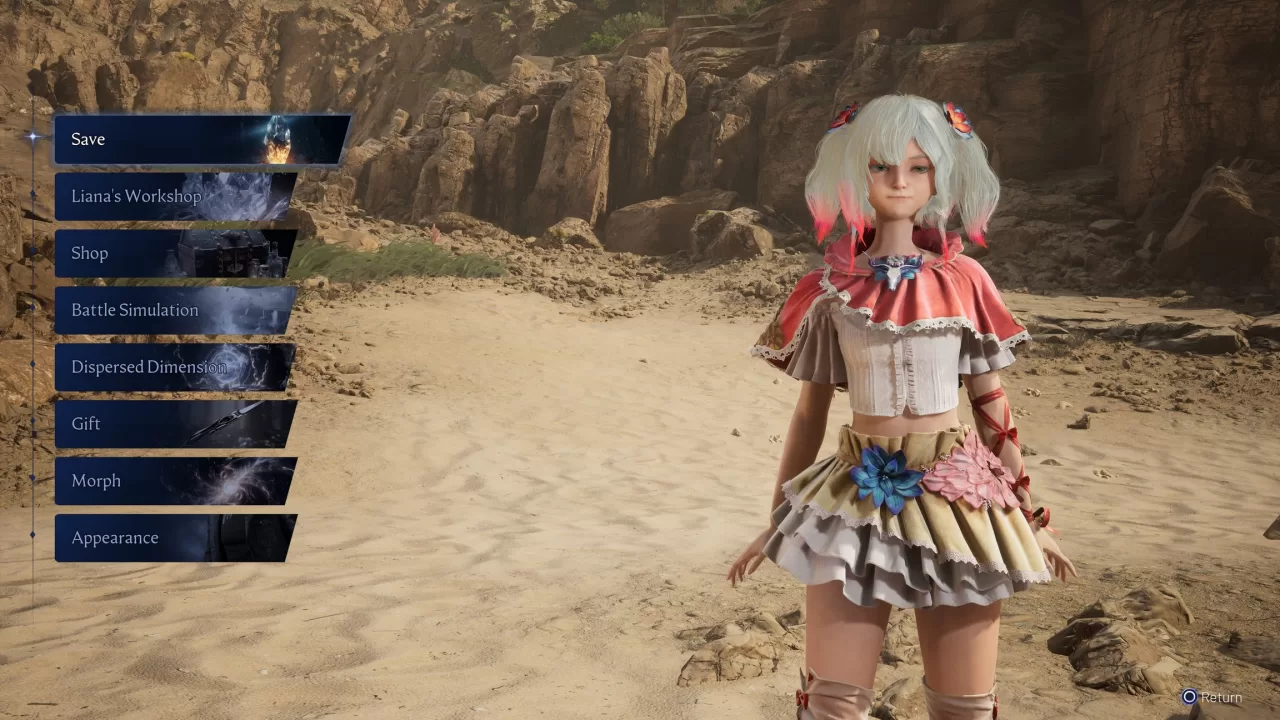
Don’t be afraid to fail and die, though. Fall deaths are highly apparent here because there are a lot of creative platforming, races, and puzzle-solving challenges in each new location and chapter. At least the game was gracious enough to provide support to make up for my mediocre combos and multiple deaths. Autosave is there to save the day, as well as Manual saves via the character Liana in-game. Liana is your one-stop shop for items, recipes, weapon morphing, and even revisiting bonus levels called “Dispersed Dimensions” you discover during your exploration.
Unfortunately, during exploration, it’s difficult to go back to a missed opportunity during your first gameplay. There were no take-backsies once entering a location, nor fast travel to town to buy recipes or equipment that Liana didn’t provide, so I had no choice but to move forward and wait for the next opportunity for me to go back to town. But hey, at least I could pet the animals!
Additionally, this game makes use of its enemy battle patterns a lot. After a few retries, I could easily recognize the enemy’s pattern to the point of boredom sometimes. And such enemies reappear in the latter chapters, albeit in a different visual iteration, so I was already familiar with how they would be able to attack. This sort of dampens the thrill of the difficulty I tend to look forward to as the chapters progress towards the end.
There is a lot more content and difficulties to unlock in this game, so if you are an avid completionist, I suggest multiple playthroughs to maximize the experience. It was difficult to acquire money in this game, so buying recipes and key items may take some time during the first playthrough. The maps are wide and expansive, so there are places you can definitely miss.
A Dry Plot With a Lack of Cutscenes
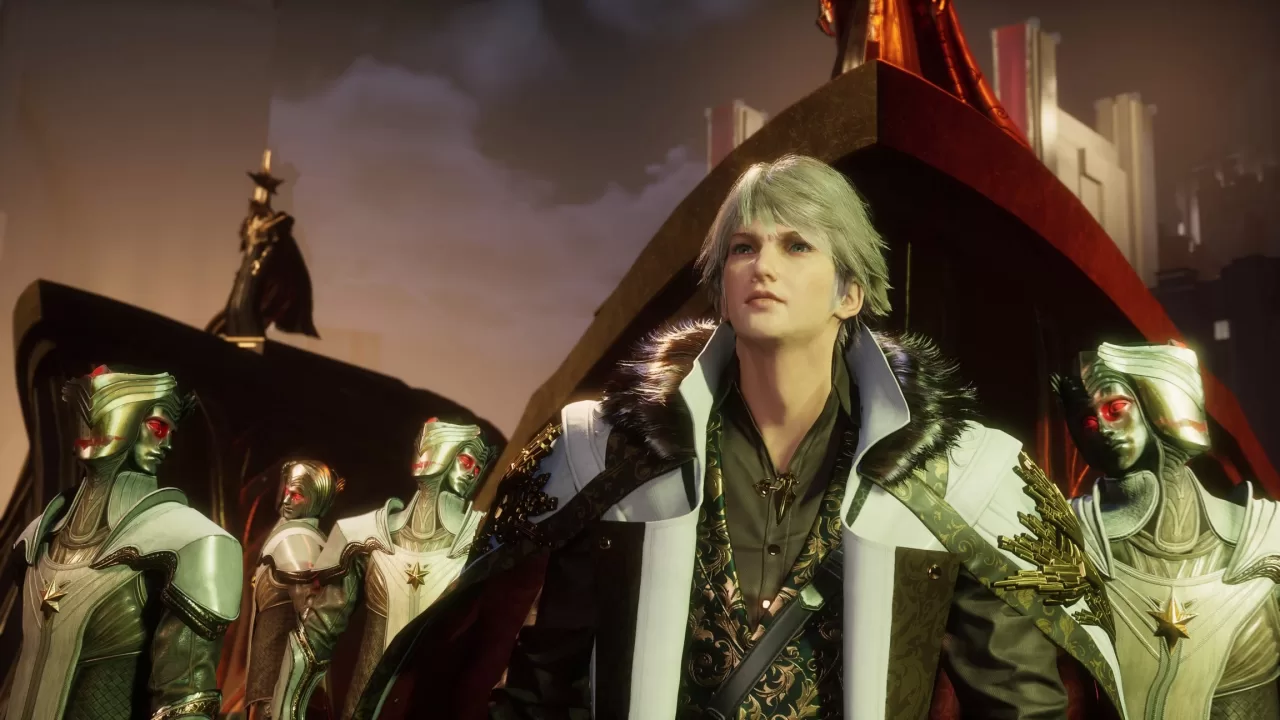
The plot is perhaps the most crucial factor that made Lost Soul Aside miss a lot of key expectations, considering that the game’s inspirations of certain IPs were reliant on story-weaving, understanding the characters, and building up drama and conflict on top of notable gameplay.
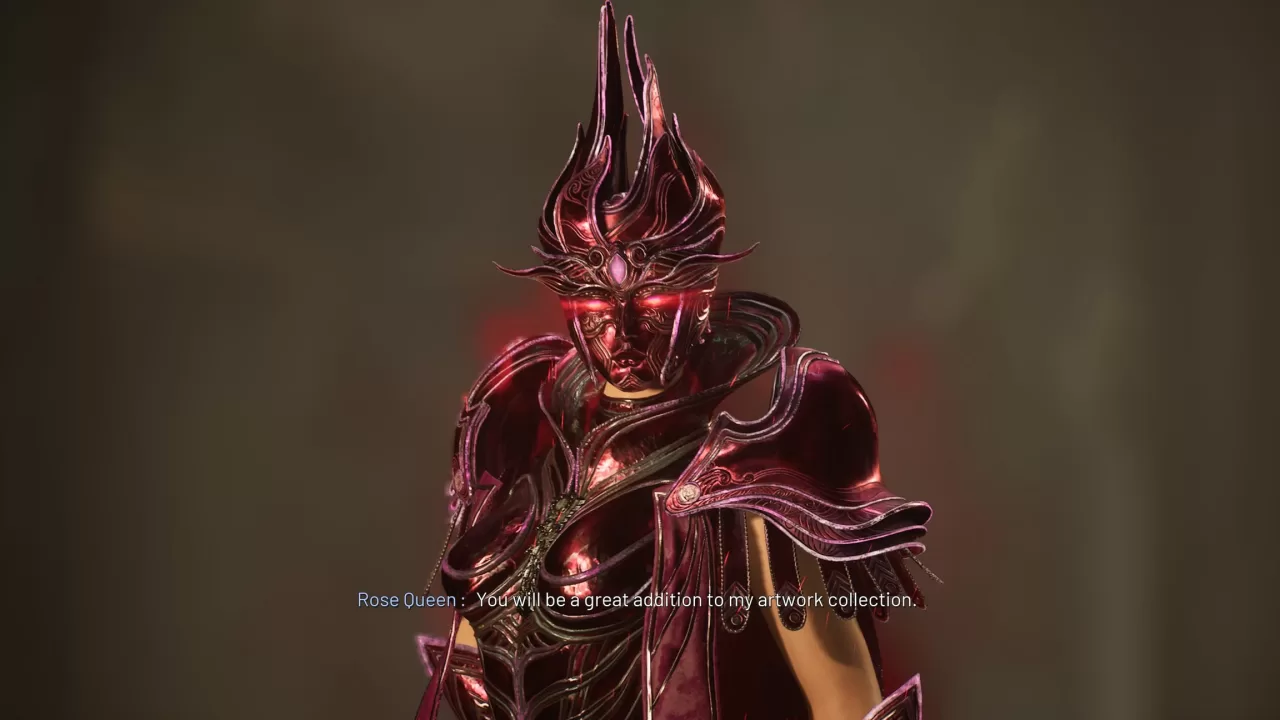
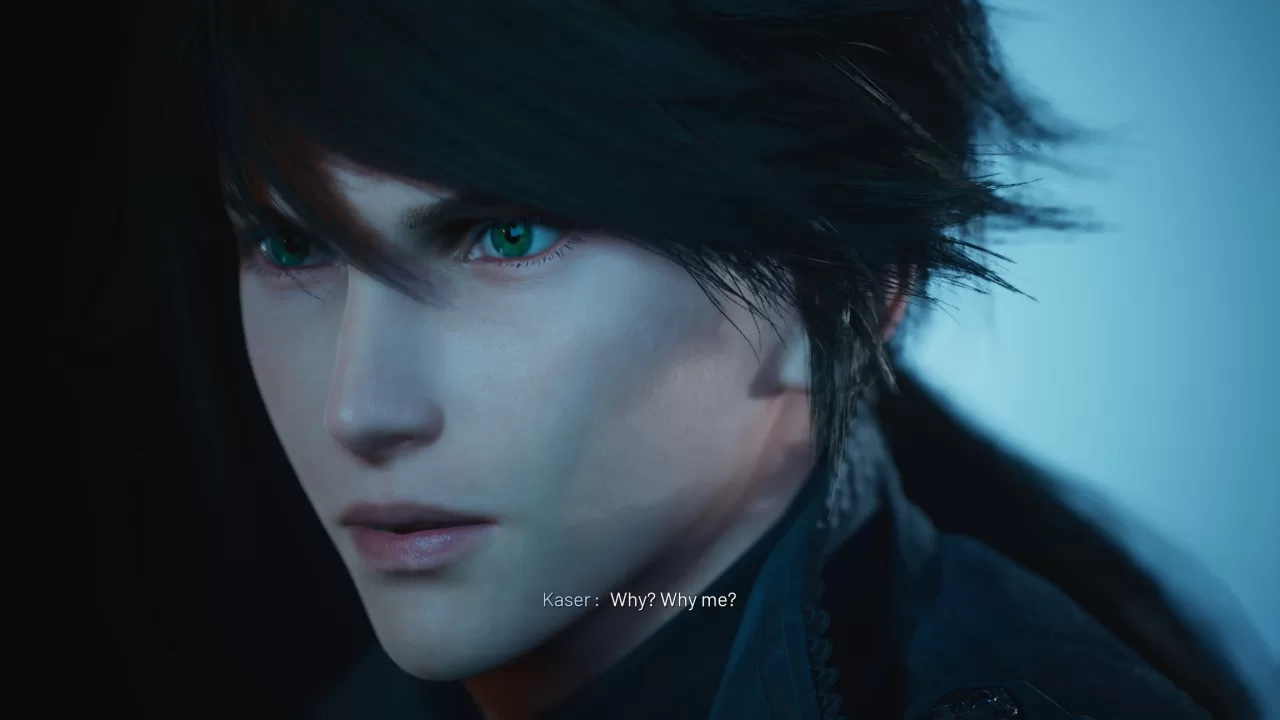
Lost Soul Aside tackles the protagonist Kaser, a member of the rebel faction called GLIMMER, who wants to rescue his sister Louisa, whose soul has been taken by foreign entities called Voidrax. Teaming up with Lord Arena, a dragon-like creature of power, Kaser embarks on a journey to save his sister’s soul, free his town from the Empire’s clutches, and ultimately, save the world from the head of the terrible Voidrax called Aramon.
This is a pretty straightforward, predictable plot that most fantasy action RPGs swear by; however, I was not expecting the game to take this too literally. There was little space in the game to understand the characters and the lore because there were only a few CG cutscenes in between chapters to help ease the intensive playthrough for each chapter. Plus, one of the very few ways for me to discover the lore was to look for certain ‘notes’ scattered throughout locations, check the user menu, and talk with NPCs, which did not come around often.
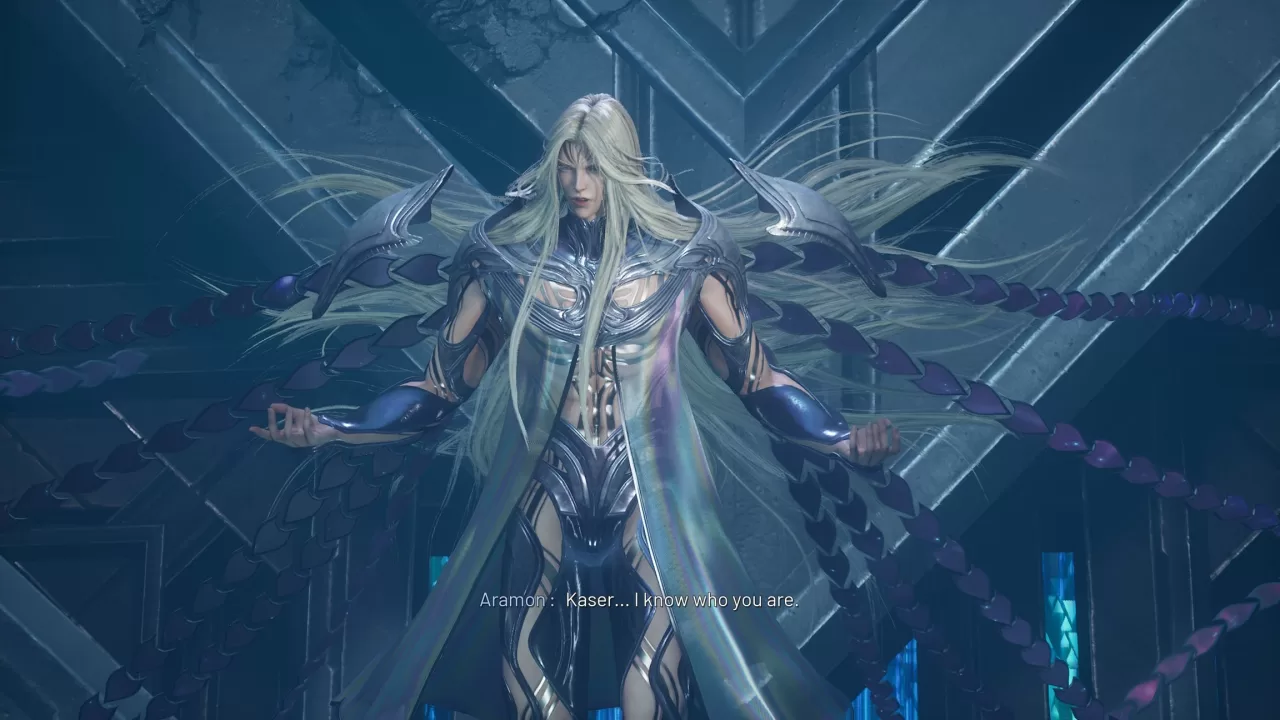
I believe that the balance between the actual excellent gameplay and the story cutscenes was not fully utilized. I could give perhaps a ratio of 90:10 gameplay to story cutscenes. And while I know that cutscenes take a lot of time and effort, they do immerse the player in a different way, so I believe they have to be taken into consideration.
The harsh cuts to the next location and/or scene could be downright jarring, and there was no smooth transition as to how this character appeared or how this scene suddenly happened. It did not help that some of the animations during said cutscenes could be stiff and awkward. The characters lacked more facial movement, and the script was repetitive and too obvious for the scenario. I played both in English and foreign language audio, and I recommend going for the latter if you are a native English speaker.
At first, I could ignore the signs of the simple script and dialogue because the gameplay was engrossing. However, as I inched towards the end, the lacking plot and cutscenes kept getting my attention and left me with sad disappointment.
Lost Soul Aside Final Verdict – 6.5/10
Lost Soul Aside possesses great potential for a fresh, action RPG in the gaming scene, especially for a budding new developer’s debut title. I could sense that there was great effort and passion put into the gameplay—the techniques, the skills, the puzzles, and platforms—all of these are amazing to experience. However, the story and cutscenes were visibly rushed, and the game’s pacing tended to be inconsistent, which dampened the excellent gameplay that the game is trying to market.
I still recommend playing this game to discover how impressive the gameplay is. I believe there is more growth to be fostered in this game, should there perhaps be more time and resources to work with. After all, this game was first created by one person and eventually, by a small team that still delivered this level of caliber of gameplay.