

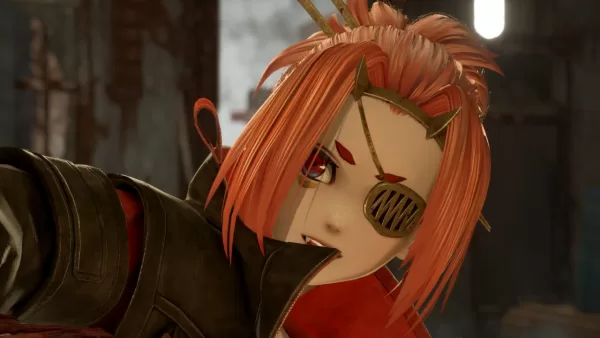
After getting a preview of the game back in June last year, Bandai Namco finally gave us a chance to try out Code Vein II, the sequel to 2019’s Code Vein that promises to deliver an enhanced experience in many ways.
Our preview of the game in June was just a hands-off demonstration, where we got to see some snippets of gameplay and learn about the new Code Vein title’s mechanics. A few weeks ago, I finally got to try out the game, though “try” may be putting it lightly, as I got to sit down and play Code Vein II for three hours.
When the first Code Vein was released, many players (and games media) called it “Anime Souls,” and for good reason. After all, its gameplay is very much inspired by Dark Souls, while its art style has an edgy anime look. For Code Vein II, it seems that the developers over at Bandai Namco didn’t just aim to make a second “Anime Souls” game. Based on my time with it, the game seems to have a more distinct identity in terms of both visuals and gameplay.
Before I get into these in more depth, I’d like to start with character creation, which was also where I began my hands-on session.
Stand-out Character Customization
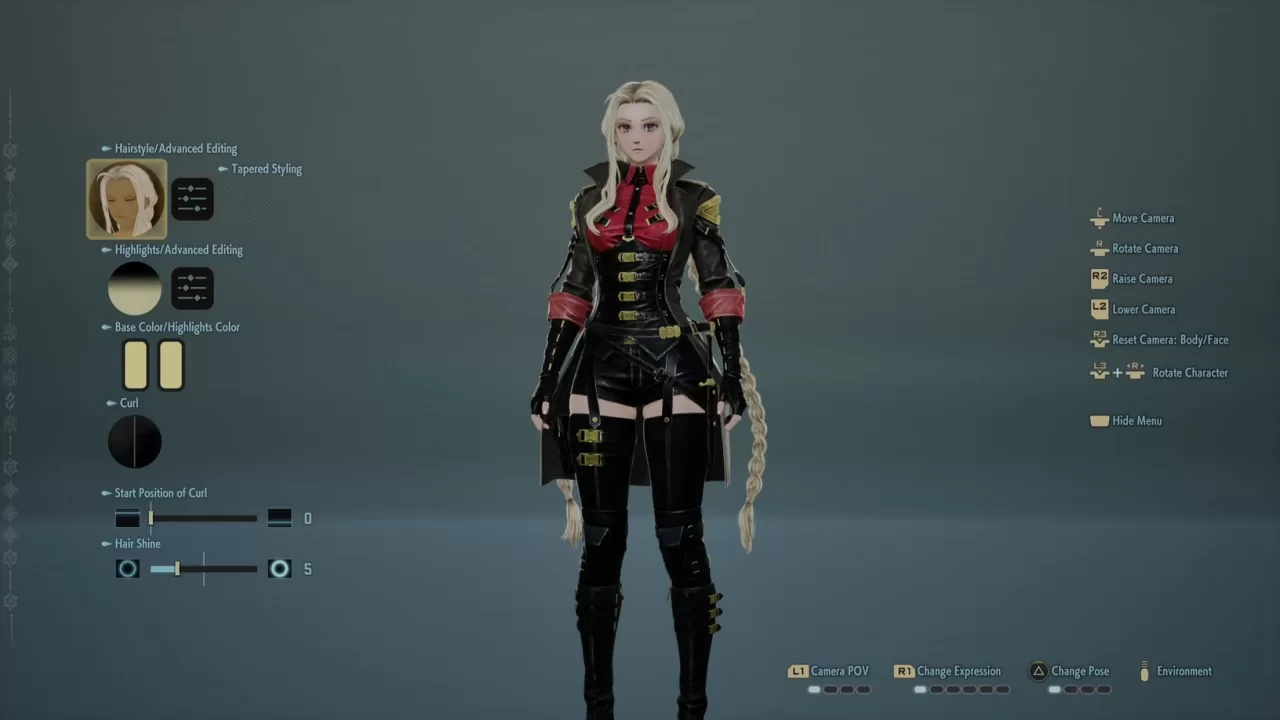
I have to admit that, for most games, I don’t bother much with character creation and customization. For Souls games, that’s mostly because I don’t see my character much, given my preference to don a full suit of heavy armor for them. In other games, I also don’t put much effort as I often just want to get started with my journey.
For the Code Vein II hands-on session, we were given 20 minutes to create our character. As we weren’t obliged to take the whole 20-minute time slot for this, I initially planned to just play around with the options a bit before selecting a pre-made option. Things did not go according to plan as I was quickly engrossed in creating my character.
While the character creation system here isn’t particularly different from most games, the options that you get are quite impressive. You can start with one of many presets, after which, you can edit their physique, hairstyle, face, and more. I found that you get lots of control over these elements, but what took the most time for me was selecting my character’s outfit.
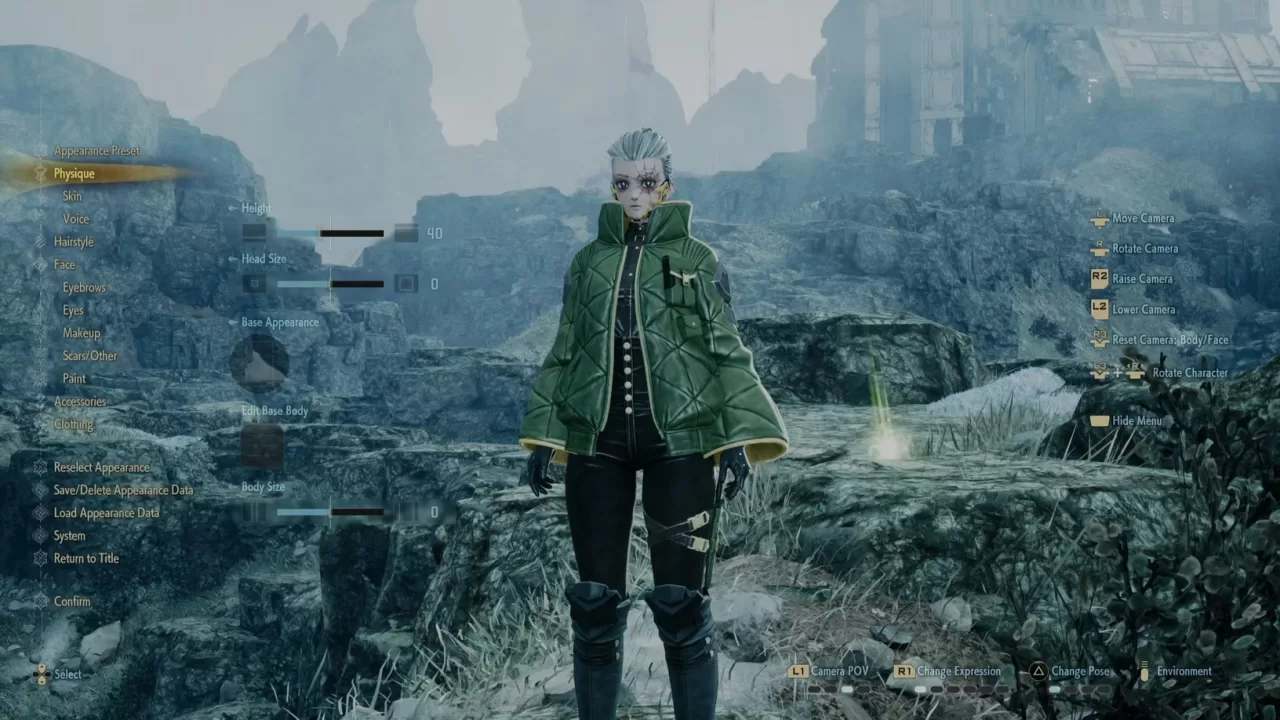
Unlike other action-RPGs, where your outfit depends on the armor you pick up, in Code Vein II, you pick an outfit at the beginning. These range from gothic-inspired clothing to looks that are straight out of a techwear fit. Even with the impressive range of outfits (and accessories), most of them are surprisingly coherent visually with the game’s environments.
This is also potentially a testament to the updated visual style of the game. Compared to the first Code Vein, this sequel has, for me, a better look, all while retaining part of the anime look of the previous game.
After almost running out of time with character creation, I jumped right into the opening parts of the game to get a feel of its combat. While the game is a Soulslike at its core, its combat flow does have a unique style.
Learning the Flow
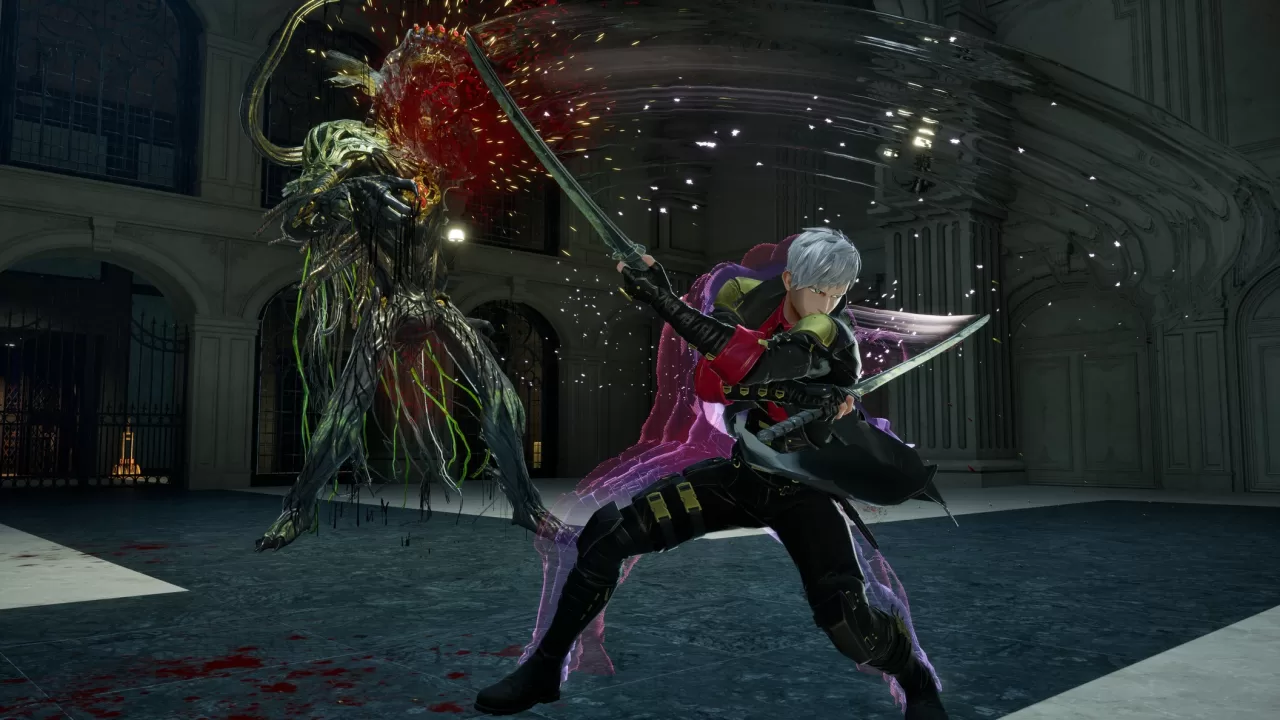
In Code Vein II, combat revolves around getting ichor. For combat encounters, your goal is to attack enemies with light and heavy attacks while also dodging at the right moments. Standard attacks build up bleed on enemies, and the more they bleed, the more ichor you get when you use your “Jail” weapon to drain them. You can drain enemies to get ichor by pressing R2.
Ichor is important as this essentially functions as mana for special attacks. By pressing R1 and one of the four face buttons, you can use a special “Weapon Forma.” Some of these are powerful AoE attacks, while others are ranged skills. There are also Weapon Forma that give you buffs. Ichor can also be used for defensive items (like a bracer that can parry enemy attacks), as well as for a ranged “Bequeathed Forma” like a bow.
So, the flow of combat revolves around using your Weapon Forma skills against powerful enemies, and then replenishing Ichor by attacking enemies and draining them. All of this while managing your stamina meter and continually dodging attacks. While you can use defensive items to parry or perfect block attacks, this is more of a “Dodge Souls” than a “Parry Souls” game.
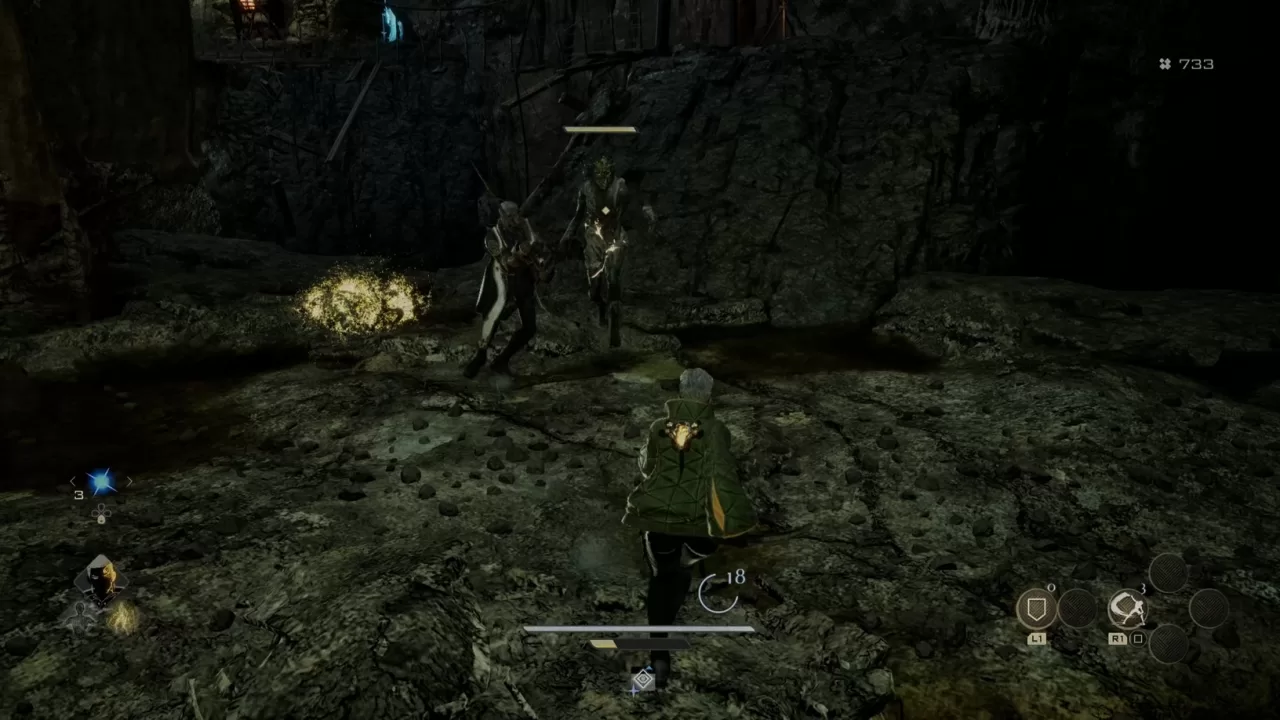
The ichor system gives the game a more active combat system compared to the Souls games, but enemies still hit hard, meaning there’s still a level of tension when up against enemies. To give you extra help, Code Vein II (like its predecessor) gives you an AI companion for fights. The companion changes depending on the quest you’re undertaking, but they should all be quite useful.
Aside from taking aggro off you, your companion also gives you extra ichor, as their drain attacks also give you some ichor. Best of all, when your HP bar reaches zero, your companion will revive you. Once revived, your companion will be gone from the field for a few minutes before coming back. To make things fair, there is a cooldown to this, so you should still be careful, but it does at least give you an extra safety net.
While I found that the combat system had a bit of a learning curve, it shouldn’t take too long to get into its flow (especially if you like Souls games). The gameplay session I got wasn’t enough to give a full verdict on the game’s combat, but I did find it to feel fairly responsive, with the difficulty being tough yet fair.
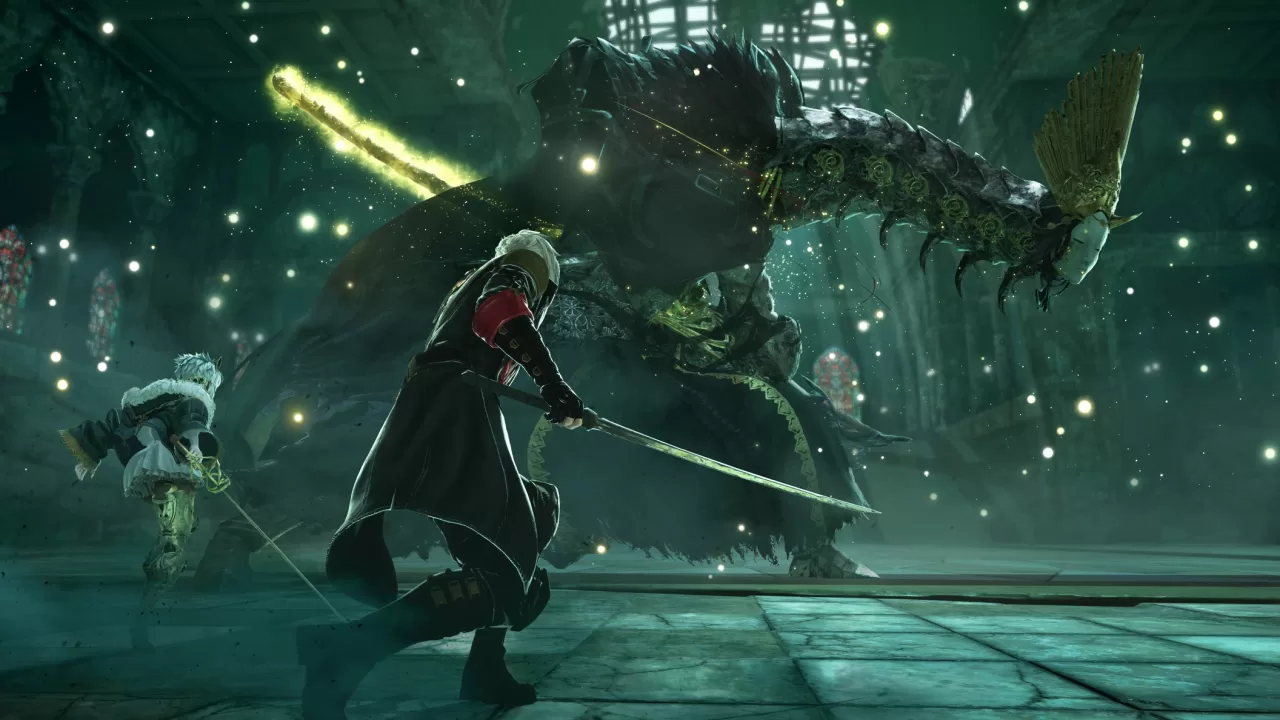
I did find that the final boss I fought was particularly challenging, to the point that I was only able to beat it by using a ranged Weapon Forma abilities that I promptly spammed, thanks to the fact that my companion also gave me some ichor from time to time. Given the weapon variety here, it’ll be interesting to see how the game’s difficulty and balance hold up when using certain weapons.
Exploring Old and New
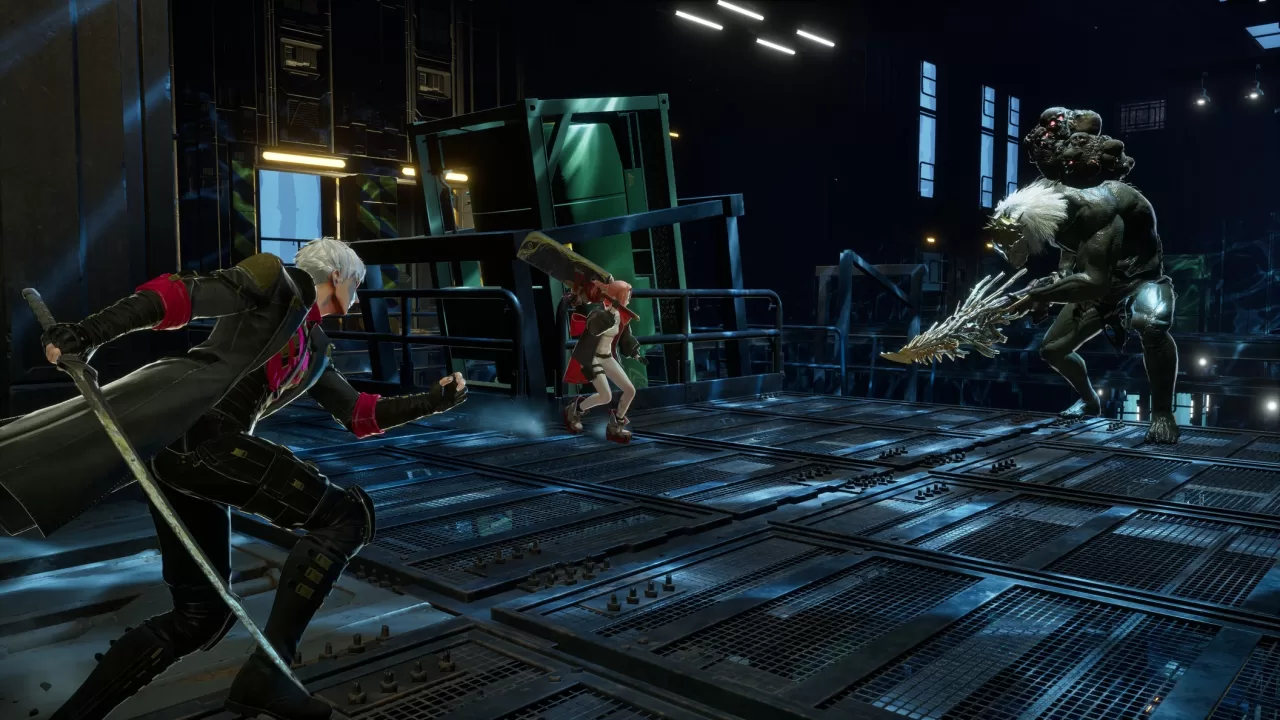
Our gameplay session didn’t let us explore the game’s overworld, which seems to be explorable by use of a motorcycle. This was a bit of a shame, though we did get to explore a dungeon fully.
Specifically, I went through a dungeon that seems to have been a mall before the world’s apocalyptic events. My character was accompanied by Josee Anjou (voiced by Miyuki Sawashiro), and at certain points, I got to see some flashbacks that told Josee’s unhappy backstory.
While the dungeon did feel a bit hallway-like, there were enough twists and turns to make it feel less linear. Plus, I liked the older Dark Souls-style elevator shortcuts that lead you back to the “bonfire,” though I had to admit that I missed one of these shortcuts.
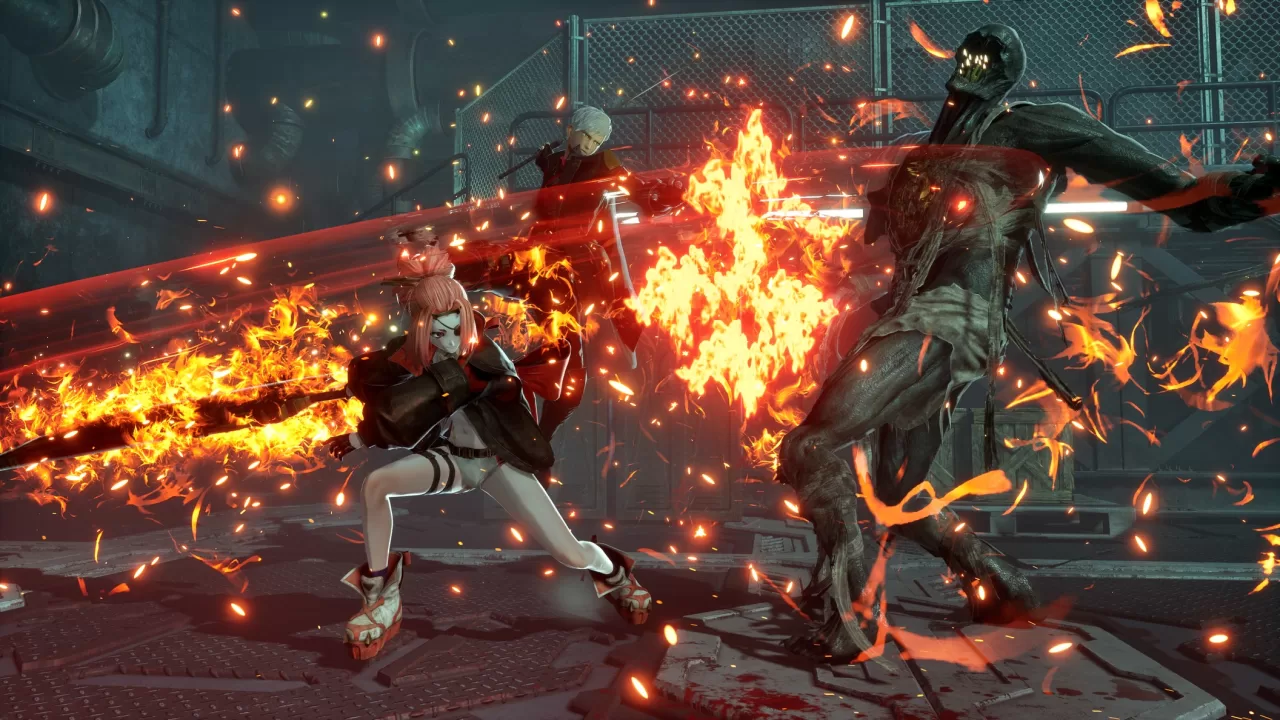
Overall, I found that this mall dungeon was just fine. It didn’t exactly wow me in terms of visuals and level design, but it didn’t bore me, as I still had fun exploring it to find where the level’s main boss was.
It’s worth noting that this is just a small slice of the game, and players can expect to see even bigger levels. Plus, the overworld seems to also be quite big, which should mean more exploration opportunities. That’s not even counting the fact that Code Vein II features time-travel, meaning you may be able to see certain locations in the past and present. Without spoiling things, it seems that the game will feature plenty of heartbreaking moments as regards this time-traveling mechanic.
Code Vein II – Initial Impressions
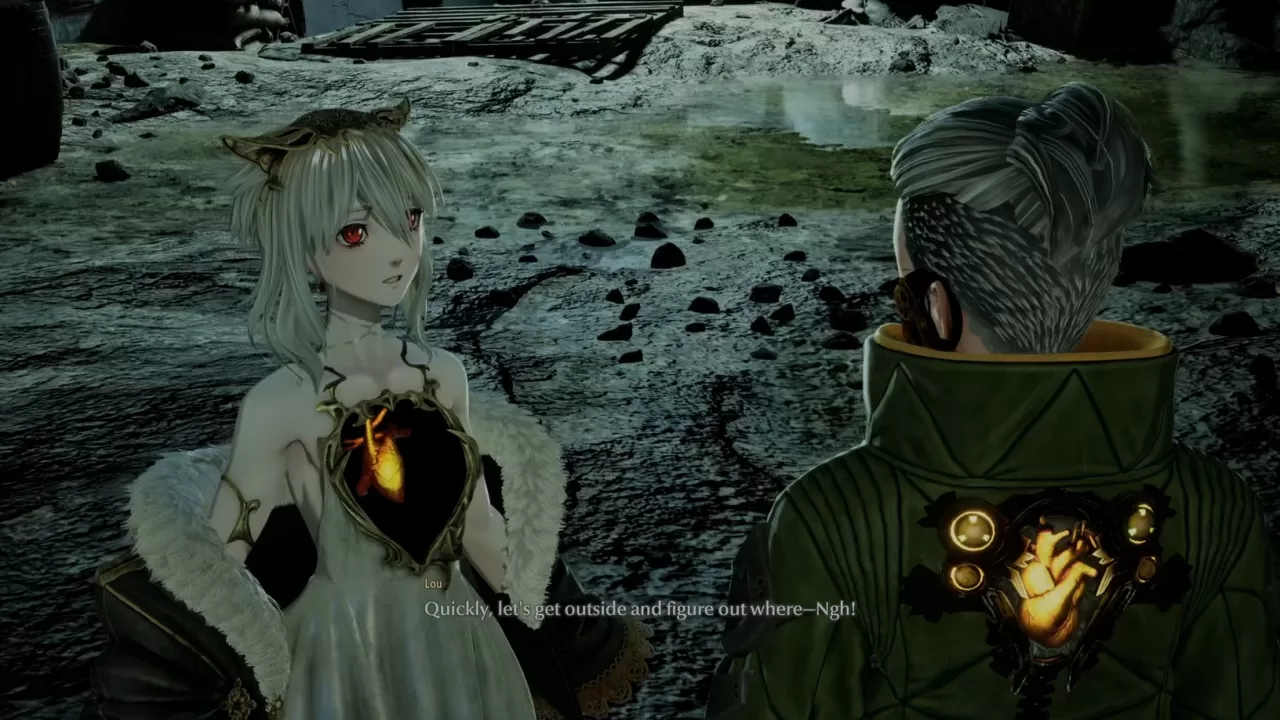
Even though I played the game for three hours, there were still plenty of things I didn’t get to explore much, like the various weapons, along with leveling and stats. Plus, while I got a taste of the story and how potentially moving it is, there is still a lot shrouded in mystery.
Still, I can say that my recent demo was quite fun, and it made me look forward to the game’s upcoming release even more. Aside from the fact that Code Vein II is shaping up to be a must-play for fans of the first game, it might also be a much better and more unique experience. If that’s the case, this game is potentially a worthy recommendation for Souls fans in general.
Code Vein II will be released on PS5, Xbox Series X|S, and PC on January 29, 2026.