


It has been nearly six years since My Hero One’s Justice 2, and finally, Bandai Namco is set to launch My Hero Academia: All’s Justice this February.
Ahead of the game’s launch, I got to try the game out to see if it’s a proper companion piece to the anime, which recently ended in epic fashion. Specifically, I got to try out various game modes, starting with a quick tutorial, followed by samples of the game’s story mode, Team Up Missions, and free battle against CPU opponents.
As a fan of My Hero Academia, I was definitely interested in trying this game out, though it’s worth noting that I don’t play a lot of games like this. Thus, this preview is from the point of view of a fan of the anime but is a “casual” at arena fighters.
(NOTE: There are some spoilers in this hands-on preview for the My Hero Academia final season.)
What to Expect in All’s Justice
To start, the tutorial is pretty good. Even as someone who doesn’t play a lot of these anime arena fighting games, I was able to grasp how the systems worked. The tutorial also introduced the game’s simple and advanced control schemes. I went with the simple control scheme first, as the inputs were more automatic, though if I were to play the full game, I’d definitely go with the more advanced option for more control.
After this, I got to explore the game’s hub. I only explored this a bit, but I will say that it was nice to be able to roam around. Although it’s not that big, it’s always nice to kind of feel like you’re part of the anime.
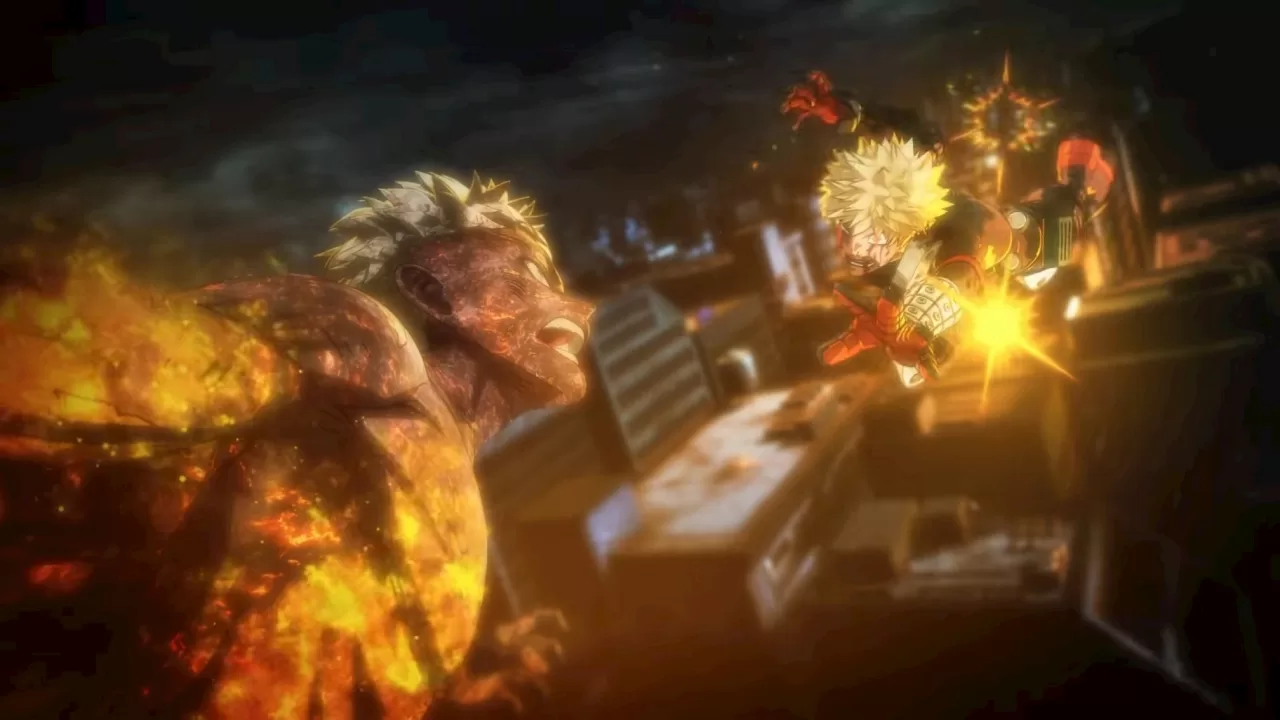
Then, I got to try out part of the Story Mode, specifically where Bakugo fights All for One. The cinematics in this fight were pretty cool. They’re not just straight lifted from the anime, so it doesn’t feel “cheap.” In that sense, you’re getting more out of the MHA experience if you’re a fan and you re-experience the story through this game.
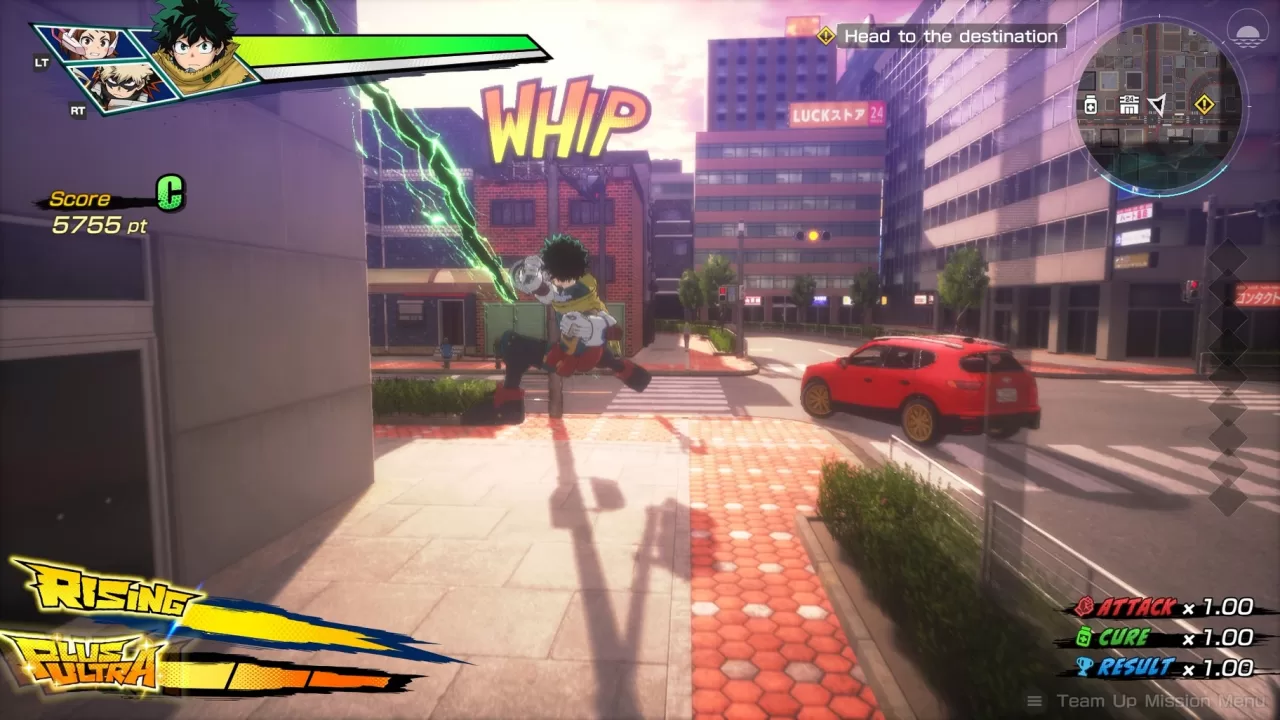
After this, I tried out some Team Up Missions, which are kind of like Side Stories that seem to tie into the main story. These happen in an open area town, which you can freely traverse. The first is Team Up Mission #16 – Confronting the Formidable, where you play as Midoriya, Tokoyami, and Kouda, and you’re doing a training exercise to ready yourself for the face-off against Shigaraki. What happens is that you go through a map and face a series of enemy encounters to help you train.
Concept-wise, it’s pretty nice, but it was also a bit of a pain, especially as your health doesn’t get healed between fights, and it doesn’t help that healing is a bit of a hassle, as you often need to backtrack and have enough currency.
Next is Team Up Mission #19 – The Ultimate Training. Here, you play as Midoriya, who is tasked by All-Might to find and beat each of the Class 1-A students in the city to help him train. The catch is, every member you beat gets added to your team of 3. If you already have 3 members and you beat someone, the new acquisition replaces the oldest member in your team (sans Deku, of course).
This is another fun concept, and it worked better for me. Plus, it helped that it was capped off by a fun fight against 4 bosses in succession – Best Jeanist, Hawks, Endeavor, and All Might.
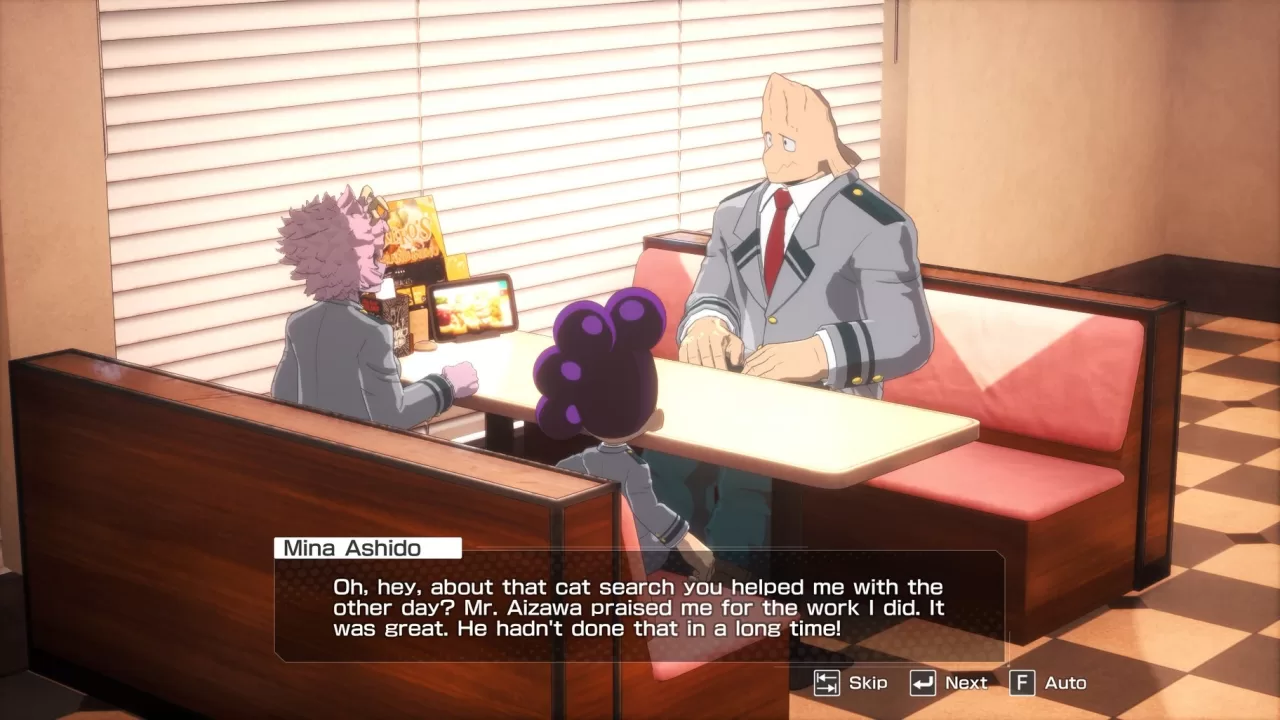
Along with Team-Up Missions, the game also has Hero’s Diary missions, which are even smaller side stories that are quite character-specific. Each one of these will task you with winning a fight or two, and the reward is that you get some extra scenarios that flesh out characters.
Finally, I got to try out some matches in the Free Battle against CPU mode. Here is where I got the best taste of how the game feels to play.
How Gameplay Works
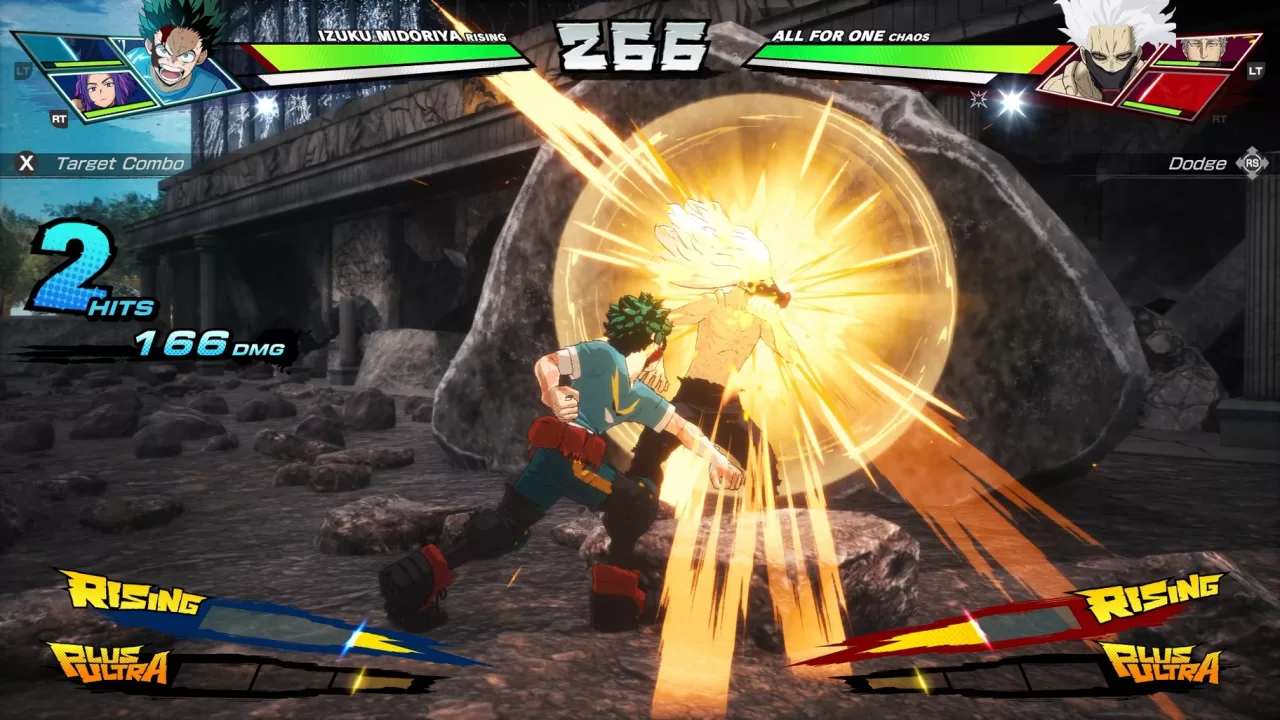
As explained in the tutorial, the Combat system has this Rock-Paper-Scissors relationship between its 3 main attack types. First is Target Combos (which is just mashing X), which is a combo that chases down your target. It’s like your regular combo string. Next is the Unblockable Attack (RB+X), which pierces through Guards and Armored Counter-attack states. Finally, there’s Counter Attack (RB+Y), which sort of powers through an opponent’s attack and lets you counter-attack. Basically, Target Combos beat Unblocakables. Counter-attacks beat Target Combos. Unblockables beat Counter-attacks. It seems easy enough to grasp, but it also has room to be mastered.
This was the case for my gameplay as I got my butt kicked at first, though I did eventually get the hang of it. After learning the gameplay more, I did find some parts of the gameplay annoying, like how buildings can get in the way of combos. For instance, I would try to close the distance, and suddenly, I’d be stuck behind a car.
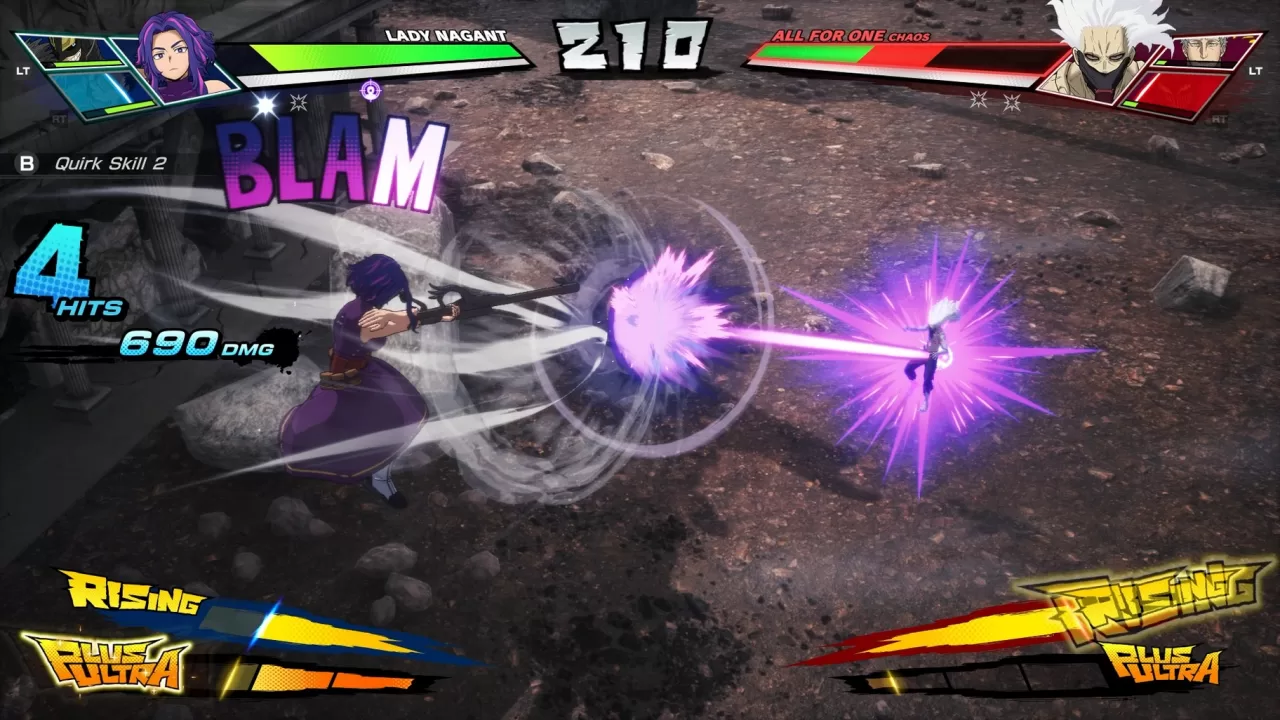
The type of combat also lets you live that whole anime power fantasy because you get to do all this flashy stuff, like doing combos where you switch between characters midway, and it looks so good when you pull it off. You have Quirk skills too, and each character has like 4 (Y, B, Left Stick + Y, Left Stick + B). And, you have a PLUS ULTRA, which is your super ability. For maximum flashiness, you can even chain PLUS ULTRAS into a PLUS ULTRA COMBO with enough PLUS ULTRA gauge and as long as you have your Sidekicks not on cooldown for changing.
My Hero Academia: All’s Justice – Initial Verdict
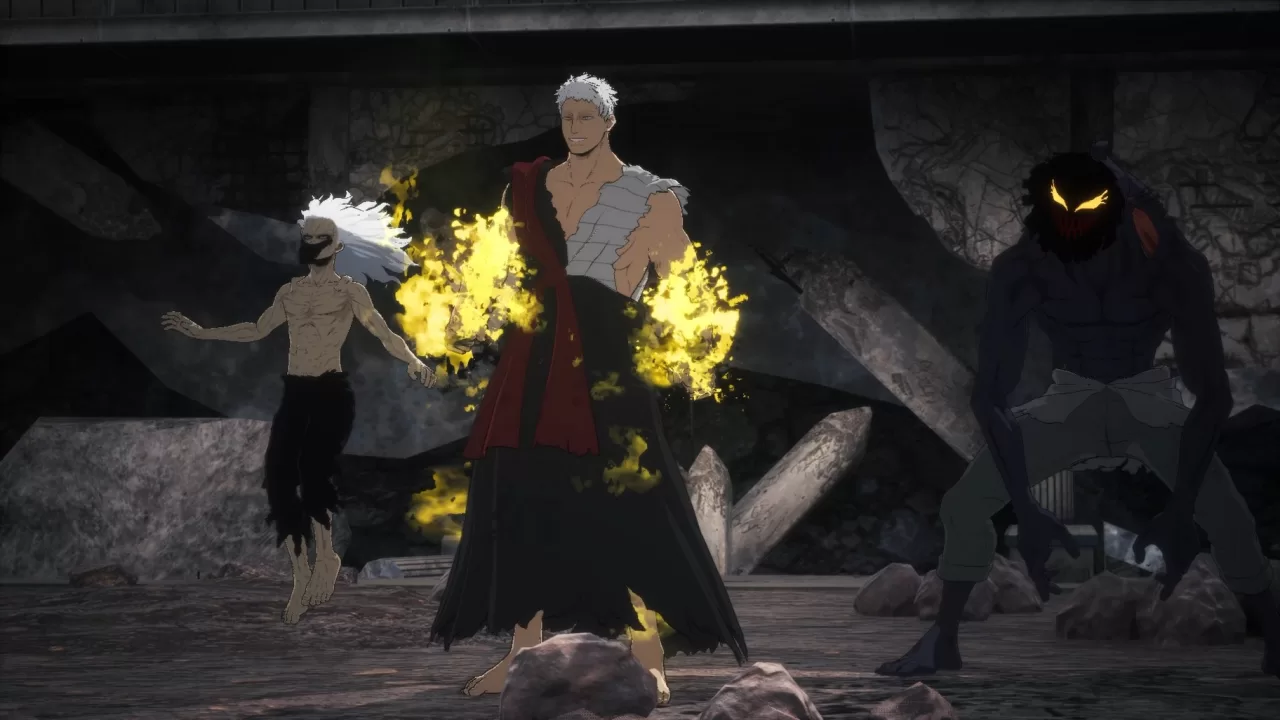
Based on my time with the game, All’s Justice is a promising title for My Hero Academia fans. The Story Mode should be a fun way to re-experience the Final Season’s story, while the Team-Up Mission and Hero’s Diary are fun additions that feature some extra scenarios that fans can enjoy.
As for gameplay, it seems to be fairly standard arena fighting game fare, but as someone who doesn’t play much of these games, it was quite fun. Hopefully, the gameplay holds up when you play through the full story and experience more of the side content.
My Hero Academia: All’s Justice will be released on PS5, Xbox Series X|S, and PC on February 6, 2026.