

Last week, we attended a special preview event for the upcoming Assassin’s Creed Black Flag Resynced, where we got the chance to meet the devs and talk about the title. We were also able to get our hands on a preview build of the game and, from there, created our first impressions. Closing off the day though, we also managed to have a quick chat with Game Director Richard Knight and were able to discuss some of the Assassin’s Creed Black Flag Resynced changes.
Ever since the game was officially announced, many were overjoyed to see the return of one of the franchise’s most popular entries. So with everything “Resynced”, how exactly would these changes look like, and how did the dev team go about them?
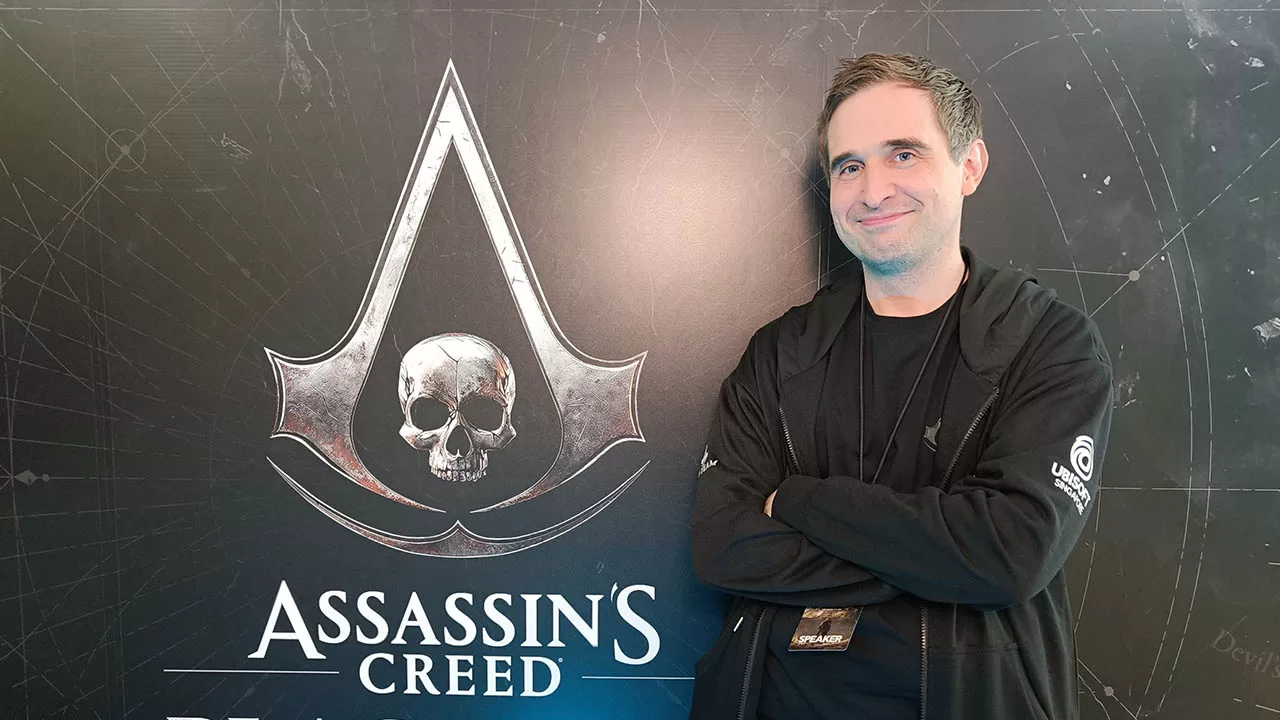
Here’s what he had to say.
[The following is the complete transcript of our interview with Knight, edited for clarity.]
UnGeek: Now that you made Assassin’s Creed Black Flag Resynced, what were the biggest learnings from previous AC titles that you took into consideration when making this game?
Richard Knight, Game Director: Well, when you remake a game like Black Flag, it’s a huge game. It’s much bigger than, you know, if you read it on paper, you’re like, “Oh, it’s roughly this size.” Then you actually dive into it, and it’s much, much bigger.
What I would say is that when you’re working on a project like this, you have to become a bit of a historian. We learned that there are things that carry over well, like naval gameplay. We add a little sprinkle on top, but more or less, it’s pretty similar to the original.
There are things that we knew right away — like, okay, we have to redo the combat system. We have a new plan, but we can’t just use the original. But it’s all the stuff in between. It’s looking at every single feature and going, “Okay, what stays the same? What needs a lot of changes? What can we learn from other Assassin’s Creed games?”
We’re not the first game to ship with the smoke bomb, for example. Lots of Assassin’s Creed games have smoke bombs. So which one has the best controls? Which one has the best smoke? We can look at those and use them as references for what we should do.
That’s kind of the beauty — the cool thing about working with the brand. Like, yeah, the blow dart. There’ve been a few games with the blow dart, but which one did it the right way for Edward? Which one did it the right way for Black Flag?
So it’s only by kind of being nerds about each of the games in the series and looking back at those that we can discover what works best and help define the modern standard today.
UG: Was there a learning that stood out?
RK: I’d say the thing that stands out to me, or at least the lesson I keep teaching myself, is that it’s better to give more choices.
One simple example: we have a crouch button now. I mean, this is a very obvious thing to add. Of course, all sorts of games have it now. But this also carried over to the hood decision. In the original game, it was all contextual controls. But I’m like, “No, no, no. I just want to press a button at any time and do this.”
UG: You have no idea how much that meant to me. Because sometimes when you’re just trying to be thematic about it.
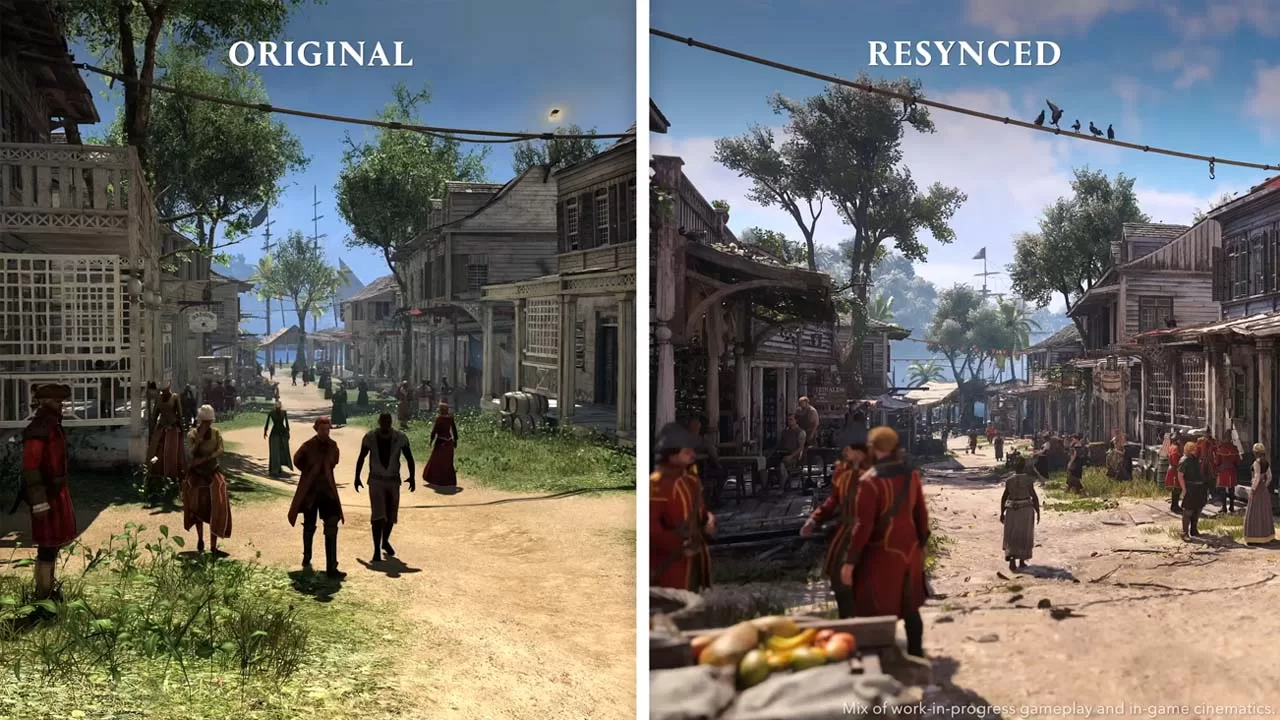
RK: It really helps you subtly feel more in character! The same goes for other things, like having a seamless open world where you don’t have to wait 20 seconds to load into Havana. Or if I just want to go swimming, I’m going to swim to that ship over there. You just do it, right?
Or maybe I want to go somewhere in the middle of the ocean and dive underwater. Maybe there’s nothing there. But giving that freedom lets you tell your own stories and have your own adventures. You still want to go through the story of Black Flag, but maybe you find your own adventures along the way.
UG: So when you first came across the idea of making this game, what were the most urgent things that you figured out, “Okay, I want to change this. I want to change this.”
RK: We have people who worked on the original Black Flag, and then other people like myself who have broader experience with the brand. I’ve worked on Mirage and Shadows. So everybody’s got their own opinions about things. But almost everybody on the team has played Black Flag, whether they worked on it or not. So everybody’s got an opinion there, too.
There were things we knew right away. This is a remake, and it’s kind of in the name “Resynced” that we wanted to modernize things. So some things would have to change.
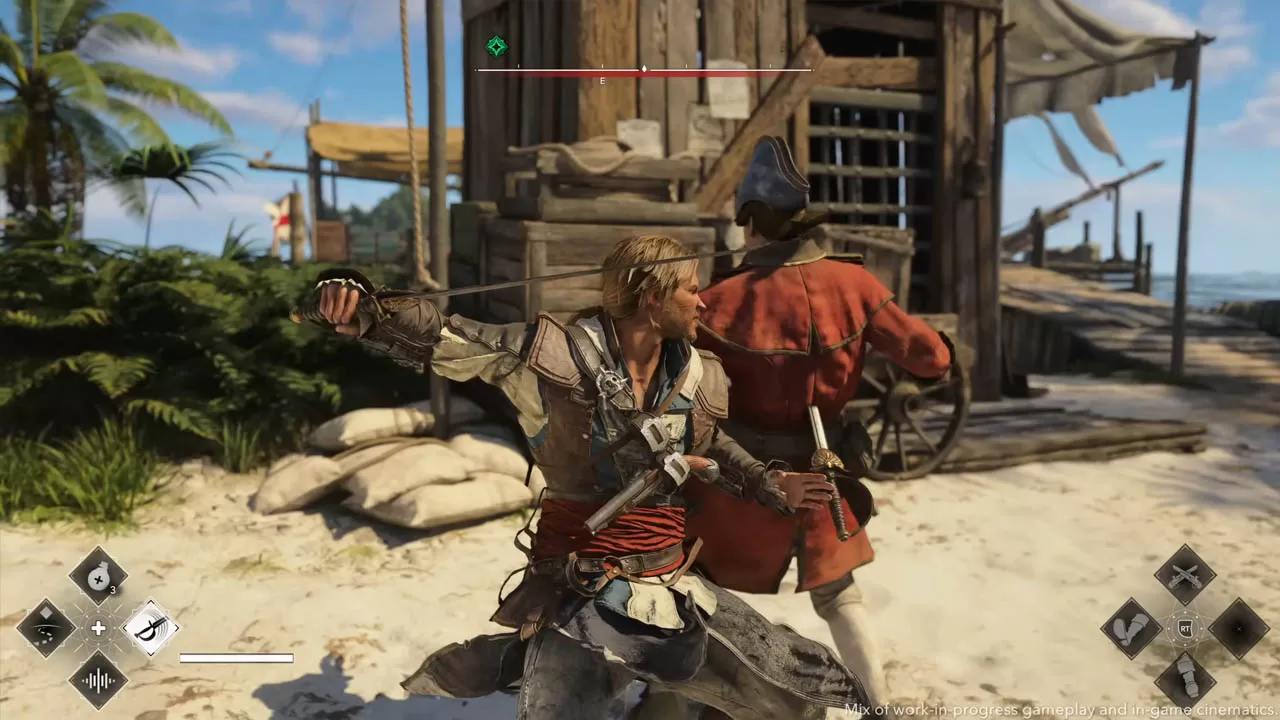
The combat system had to be rebuilt from the ground up. We knew the original sort of judo system was cool, but it doesn’t quite fit today. Again, we want more choice, more skill expression.
We hope we came up with something where, if you’re very skilled or experienced with it, you can have a similar experience in terms of time-to-kill enemies. But if you’re not careful, you’re going to get into a lot of trouble, too. Then we have other things, like naval gameplay. We kept the core because it should stay the same.
So I’d say combat was the big one for us, and the rest was more tweaks and looking at specific cases.
UG: Of course, one of the biggest discussions about the game is the decision to go back to non-RPG mechanics. Out of curiosity, is this a decision that will affect future AC titles?
RK: No. It’s a decision we made at the very beginning of the project because, the way we see it, it’s at the heart of Black Flag.
I’ve worked on Shadows and Mirage, so I think RPGs are great, and I think a certain type of game fits that. But Black Flag’s experience doesn’t.
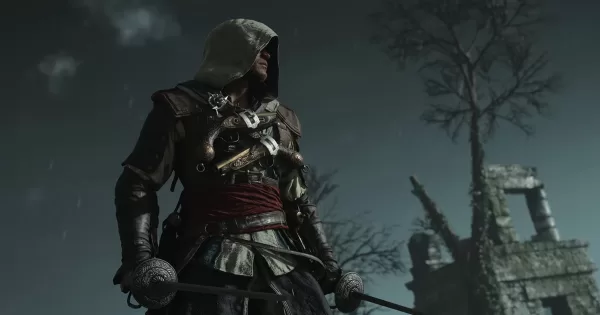
When we originally started working on Assassin’s Creed Black Flag Resynced, the keyword for us was Edward. We needed to make you feel nostalgic. We needed Edward to look the way he should look. We needed to retell his complete story from the original game.
That means his original story. We don’t want to change it. We can add a little bit more here and there, but we can’t change it.
If you look at the way it’s written, Edward is this kind of rogue; he’s like an Indiana Jones type. He’s lovable, has quick reactions, gets into trouble, goes to prison several times, makes mistakes, but he’s always rushing forward.
That’s the definition of an action-adventure game, right? It’s always driving forward. You can still grind. You can become a pirate full-time. We give you freedom. But the core story is that relentless drive forward. So we knew we’d never change that.
UG: On the other hand, does that now kind of show that there’s still a place for that kind of system in future AC games?
RK: Absolutely. That’s the great thing about Assassin’s Creed. There are so many periods of history, whether we’ve gone to them or not, and all sorts of exciting historical characters and new characters. So the door is always open.
UG: You added a lot to the game. We were talking earlier, and you said there are something like 12,000 more voice lines with all the new content you added. Could you give us an estimate of roughly how many hours of new content there is for Resynced?
RK: What we like to say conservatively is six hours of new content, covering the quests and additional stuff we added. But a lot depends on how you absorb the game. I can’t really measure out hours per voice line or anything like that. And if you’re an existing fan coming in, maybe the experience feels faster because you know where everything is. Whereas if you’re a new player, maybe it takes longer.
So I’d say six hours conservatively, but I do think there’s a lot more there if you take a look.
UG: Speaking of the additions, personally, for you as a director, which ones were the biggest additions for you?
RK: The combat system for sure. One thing about the old game, and honestly, it was both a strength and a weakness, was that you could almost win fights infinitely. It was just: wait, counter button, enemy’s dead, next one. Didn’t matter how many enemies were around you.
We knew that while we wanted you to have a similar feeling of lethality, like Edward could do that, it also needed risk. You can do the same thing in games like Shadows or Elden Ring, but it’s risky.
We wanted you to feel that point where “Hmm…maybe Edward should cut and run now”.
So, combat was the one where we made a big change, but we hope it still feels nostalgic. You can still be just as lethal if you’re skilled enough.
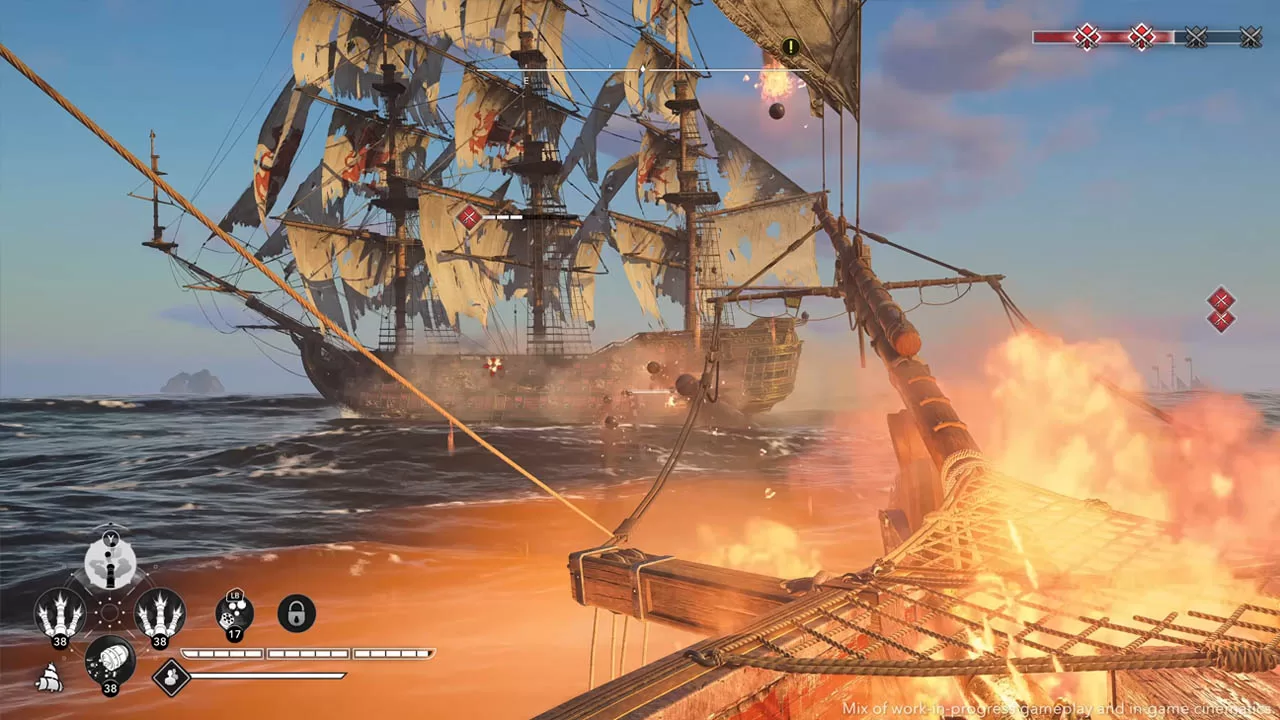
With other things, it was important for us to make them feel very much like the original. Naval combat is the best example. If it ain’t broke, don’t fix it.
So step one was rebuilding the original because you don’t really know what you have until you feel it again. Then we had ideas on how to improve it, but we knew those improvements had to be subtle. They had to give you new tactical options without changing the experience too much.
For example, the new alternate weapons you may have seen in the preview, you switch them on the fly. If I’m aiming the cannon, I switch modes instantly. I don’t go into a menu or equip another weapon.
Maybe that ship is closer now, so I’ll use the higher-damage heated shot. But maybe the enemy is about to fire back at me, so I shouldn’t use heated shot because I need to brace first.
So now you need to think more tactically. Some weapons seem more powerful initially, but the drawback is that they leave you more open, or the ranges change, or the firing characteristics change.
At the end of the day, it can still be that same Black Flag Jackdaw experience, but now we just give you more options.
UG: Is there one combat element you personally really like? I personally really like the parry system.
RK: Mine is very personal. I love the kick. I kick everybody. They get near the edge of the ship, and I kick them overboard. Every time I see a bridge, I’m like, “Is there an enemy I can kick over the bridge?”
The beauty of our combat system is that you can do that, but then the enemies learn quickly. They start throwing unblockable attacks, and now you have to change tactics. You can’t just kick infinitely and win the game.
But having that strong kick, like in AC Odyssey, man, it feels so good every time there’s a cliff, bridge, ledge, anything.
UG: You made so many adjustments to combat to make it more modern, flashy, responsive, and give players more options. But how did you balance it so it wouldn’t become too easy?
RK: That’s where we knew the AI needed to pay attention. We have AI archetypes — big guy, fast guy, the basics. We’re not trying to make a super complicated game. But on top of that, they respond to what you do.
So in my case, if I keep kicking them, they start dodging my kicks. Then they throw unblockables at me. I can’t parry those, so now I have to dodge.
It’s up to you as a player to remember you have all these other options. Sometimes you find one thing that works and just stick to it.
But the cool thing about Edward is: if someone throws an unblockable, I can just shoot them in the face. Or if someone aims a gun at me, I can rope dart them before they shoot. Or if there are too many enemies around, I throw a smoke bomb. You have all these options.
So the number one way we balanced was to make sure the AI could respond. But we also embraced the fact that Edward is always going to be a little OP. He has a lot of options. Part of being an assassin is knowing when to use each one.
UG: How does that philosophy apply to naval combat, especially with alternate fire?
RK: For us, the officers had abilities that sound OP. Like, “Oh, you can brace away most damage,” or “You can double-shot.”
But we looked at them tactically instead.
For example, the double-shot ability from Dead Man: yes, you get an extra volley, but you don’t control when it fires. You fire once, then there’s a delay, then the second volley fires. During that time, you still need to maintain aim.
But what if they’re firing back at me? Maybe I brace, but then I lose control of the aim. Maybe that was the wrong time to fire.
So again, we tried to give you more choices.
Or take Lucy’s Perfect Brace ability. Yes, you can dramatically reduce damage, but you have to time it precisely. That means paying attention to where the damage is coming from. If you’re aiming left and someone shoots from the right, you can’t defend what you can’t see.
So we wanted to give you more power, but it requires more attention and consideration of what’s going to happen once you do it.
UG: Would it be accurate to say you made enemies shoot more, or made them sturdier now, especially in naval combat?
RK: No, not really. In some cases, yes, but generally we wanted the same difficulty profile as the original game. There are difficulty settings if you want it easier or harder, but really, it was more about giving you more options.
Because the interesting thing is, same with Edward, just because we give you more options doesn’t necessarily make the game easier or harder. It just gives you more to consider in each situation.
Assassin’s Creed Black Flag Resynced is set to come out on July 9, 2026 for PlayStation 5, Xbox Series X|S, and PC.