

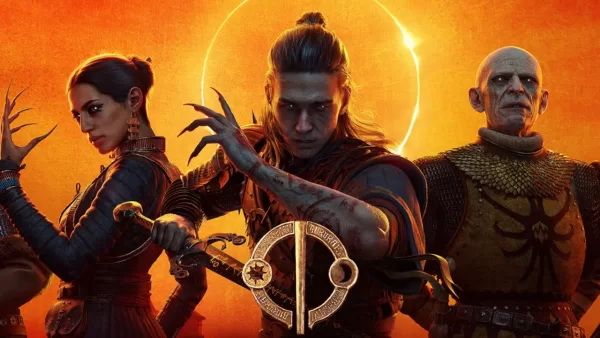
The Blood of the Dawnwalker Narrative Director and Main Writer, Jakub Szamalek, recently spoke about the game’s time limit and how he hopes completionist players are willing to “step out of their comfort zone” for the open-world RPG.
As we’ve experienced in our recent hands-on with the game, one of The Blood of the Dawnwalker’s signature mechanics is time. Instead of a dynamic day-night cycle, time advances in this game once you complete quests. For instance, doing one quest can advance the in-game timer by two bars; after reaching the eighth bar, the game goes to nighttime. At night, you get another eight bars before the sun rises again.
This is important, as the game’s main quest gives you just 30 days to accomplish the main quest. Given this, coupled with the fact that there is no linear line of quests that players can do, means choosing which quest to undertake is key if you want to succeed in the main storyline.
In a media Q&A at a preview event for the game, Szamalek said that they developed this system to give the storyline a sense of urgency. He explained:
“When you open up the main part of the game, you have thirty days and thirty nights to rescue your family. That should let you complete most of the quests, but not all of them.
The reason for introducing the time limit was that open-world RPGs lack a sense of urgency. You’re often entrusted with a very important mission, but then everything [can be put] on pause, and you can explore the world for as long as you like. So, you stop believing in the urgency of your quest. We wanted to bring that feeling and increase the investment of players in the main story.”
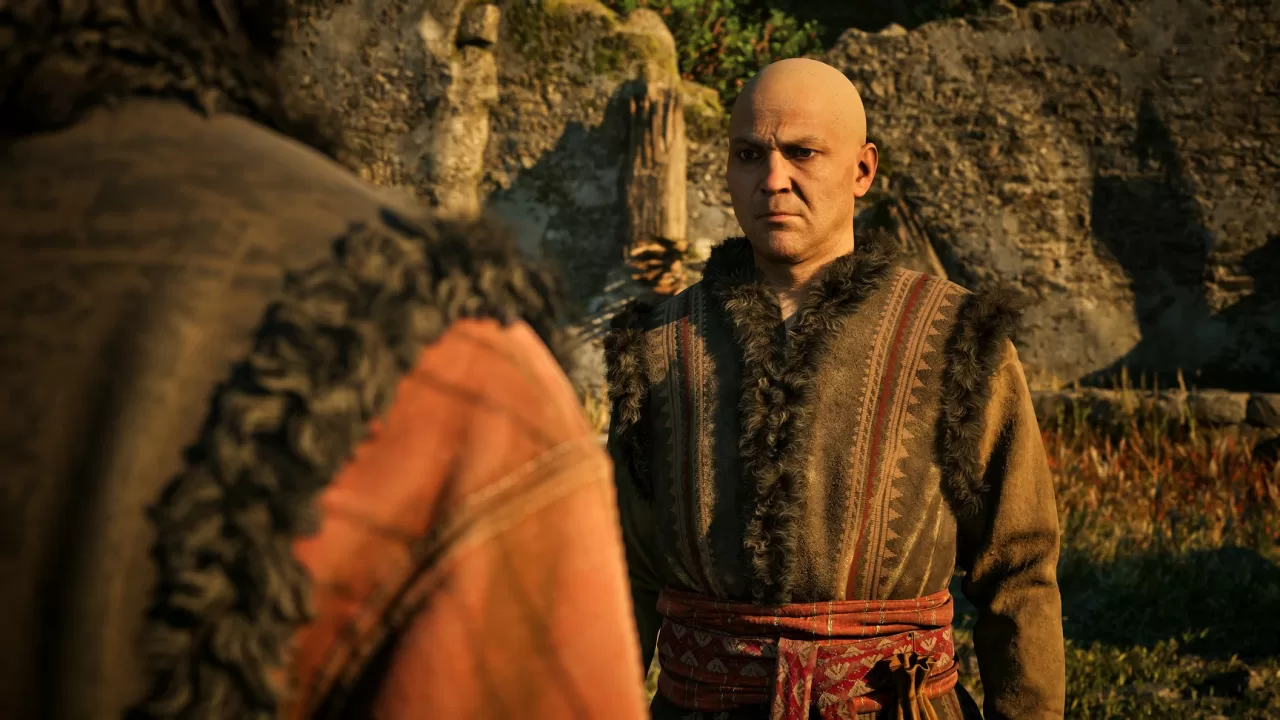
In a typical open-world game, the main quest has massive stakes for the world, but the pressure is often undercut by the fact that players can essentially ignore the main story at certain points to complete side quests shown across the map.
The time limit in The Blood of the Dawnwalker aims to solve this, as you can’t “pause” the main storyline to complete all the quests marked on your map. In exchange, this means players won’t be able to complete all the game’s quests.
Given this, we wondered what that would mean for completionists whose first instinct is to clear every quest they see before proceeding with the main quest. Does this mean someone who approaches the game with this mindset is setting themselves up to fail the main quest?
We asked Szamalek this, and he answered:
“I wouldn’t say it’s that it sets you up to fail, but I would encourage players, even completionists, to consider playing the game twice to really experience everything. I understand that for some people who are used to playing a certain way, it might be asking them to step out of their comfort zones. But I feel that growth and new experiences happen when you do step out of your comfort zone.
We really wanted to create a game that feels fresh and takes risks, and we believe those risks paid off. This game is unique; it has a particular flavor, and it’s different from the games you’ve played before. So I would say, be open to these new mechanics we’re introducing, because we’re doing this for a reason.”
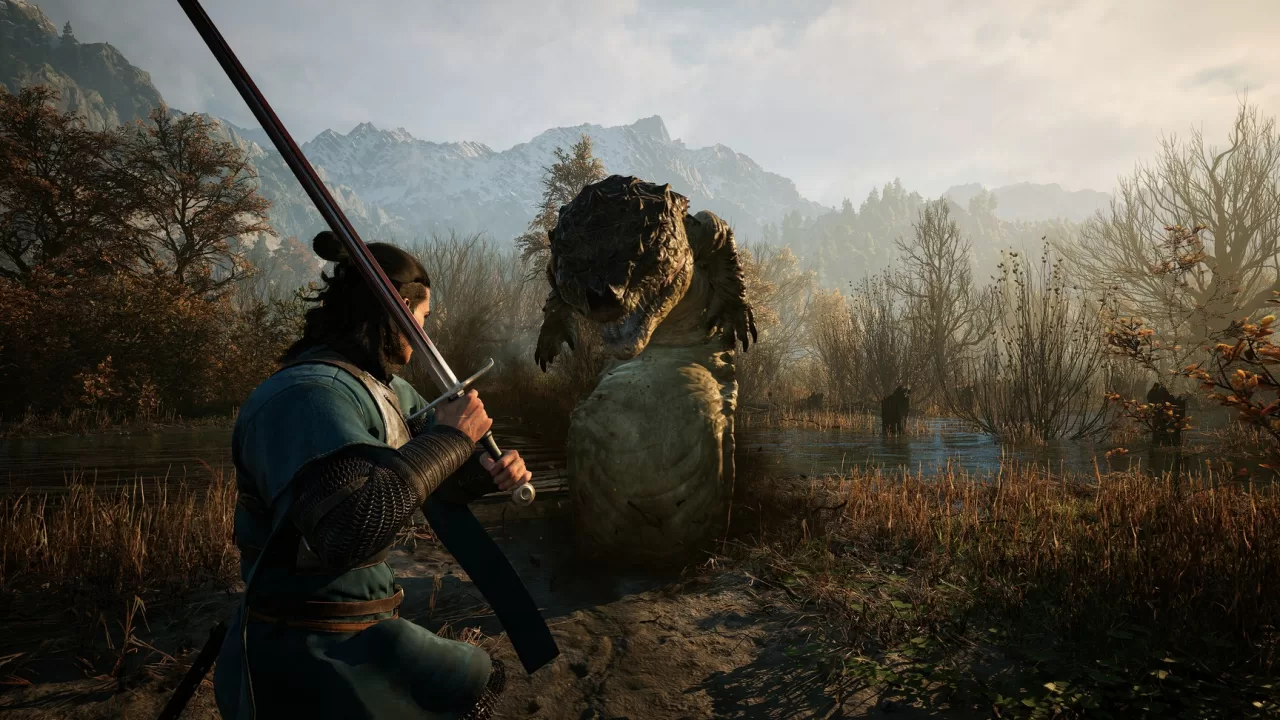
As someone who isn’t really a completionist (I usually only finish all side quests after completing the main story), Dawnwalker presents an interesting twist to the typical formula. On the other hand, some players will likely struggle with the fact that you can’t do everything in one run. Even though this is a challenge for some players, the fact that the time limit is quite a unique (and rather risky) design decision should at least make the effort to change playstyles worth it.
The Blood of Dawnwalker launches on PS5, Xbox Series X|S, and PC on September 3, 2026.
For more on the game, read:
The Blood of the Dawnwalker Hands-on | A Gothic Open-World RPG with a Truly Promising Story