


The Blood of the Dawnwalker is launching in a stacked September 2026, and ahead of its release, we got to play the game’s initial hours, including the entirety of its prologue followed by a bit of exploration in the initial areas of the open world.
In case you missed its initial reveal back in early 2025, The Blood of the Dawnwalker is an upcoming open-world action-RPG by Rebel Wolves, a new studio in Poland, featuring key members of The Witcher 3 and Cyberpunk: 2077’s dev teams. Based on this fact alone, we were already intrigued by this new project.
Of course, that’s not to say that this is a Witcher clone. Sure, it’s also an open-world fantasy RPG, but it differs in key ways from The Witcher series. For starters, the game is set in the real world, albeit with fantasy elements, as vampirism is a key story and gameplay component. It also promises to have a more involved combat system, as well as even more freedom in how players tackle the main story.
During my nearly four hours with the game, I was able to get a pretty good idea of what to expect when it comes to gameplay. At the end of my session, though, it was the story the promising story that stayed in my mind, especially given that it integrates time in a way that most other open-world RPGs don’t.
A Medieval Vampire Tale with Player Choice at the Forefront
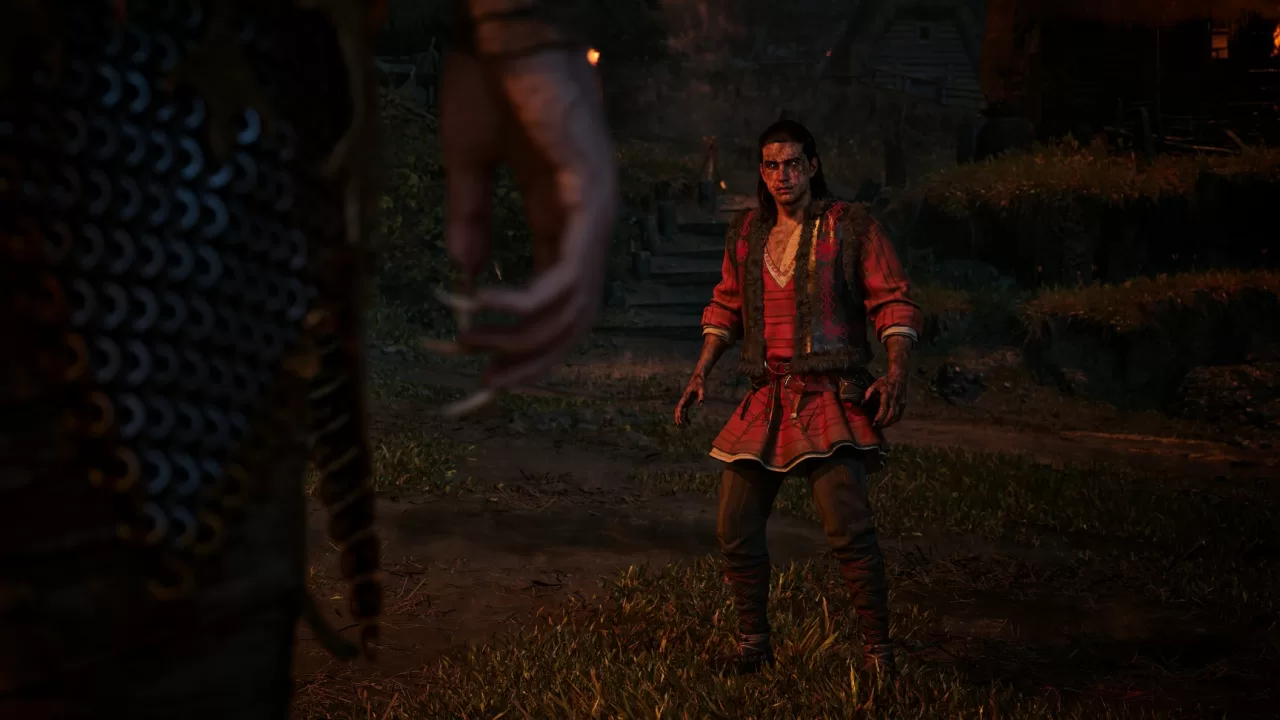
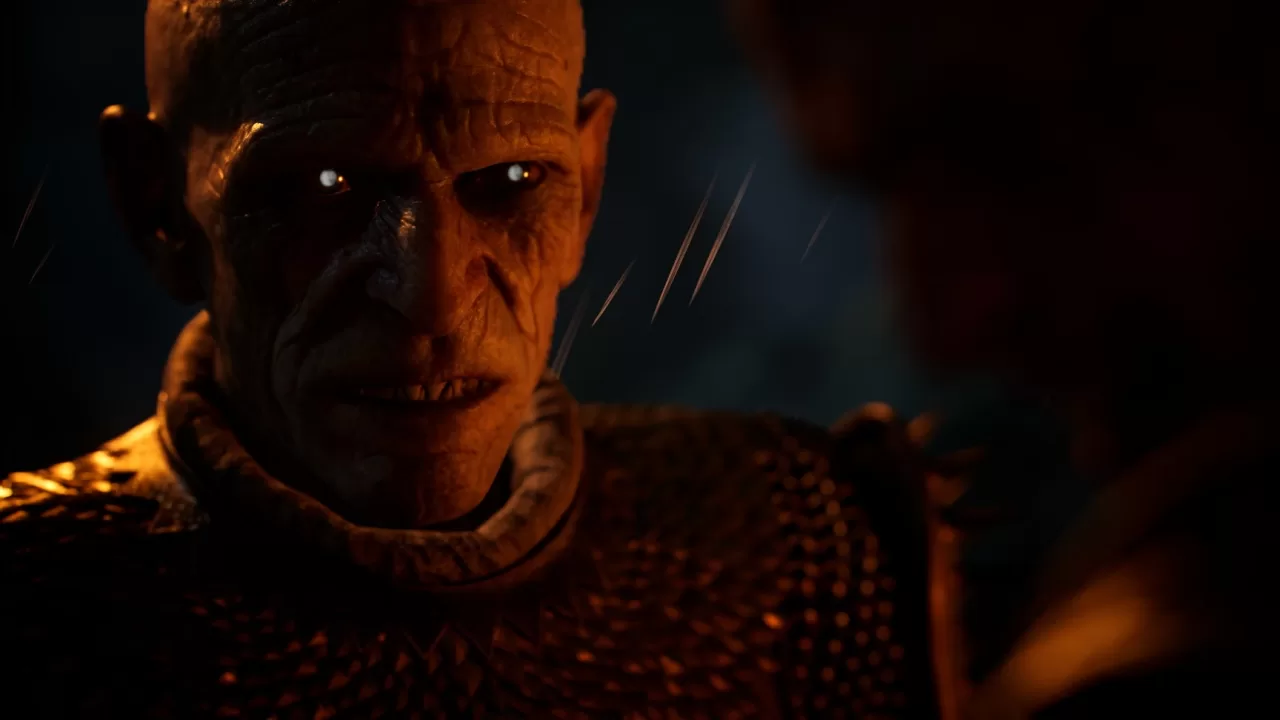
Instead of taking place in a medieval fantasy setting, The Blood of the Dawnwalker takes place in 14th-century Europe amidst the Black Death. Specifically, the game is set in Vale Sangora, a fictional location within the Carpathian Mountains. Years before the game’s story opens, Vale Sangora was controlled by a cruel leader, though he is soon deposed by Brencis, a Vrakhir (aka a Vampire) who is joined by three vassals.
Under Brencis’ rule, the people of Vale Sangora must attend a defiled form of mass every Sunday, where they must offer their blood to Brencis. In return, they must also partake of Brencis’ blood, which protects them from the plague. Along with this weekly mass, Vale Sangora’s residents have been forced to till the land, as Brencis forced the closure of the silver mines (as silver is deadly to Vrakhir).
The Blood of the Dawnwalker’s prologue shows the plight of Vale Sangora under Brencis through the eyes of the protagonist Coen. During the prologue, players will find out about the current state of the Kingdom as well as its people through a mix of character dialogue and Glossary entries.
Dialogue-heavy is an apt description for this game, as the prologue already had plenty of interesting characters and scenarios, with each scenario also requiring players to choose proper responses. While dialogue options have become almost standard these days, choices made in Dawnwalker hold more weight, as the ramifications of your selected response are clearly shown even early into the game.
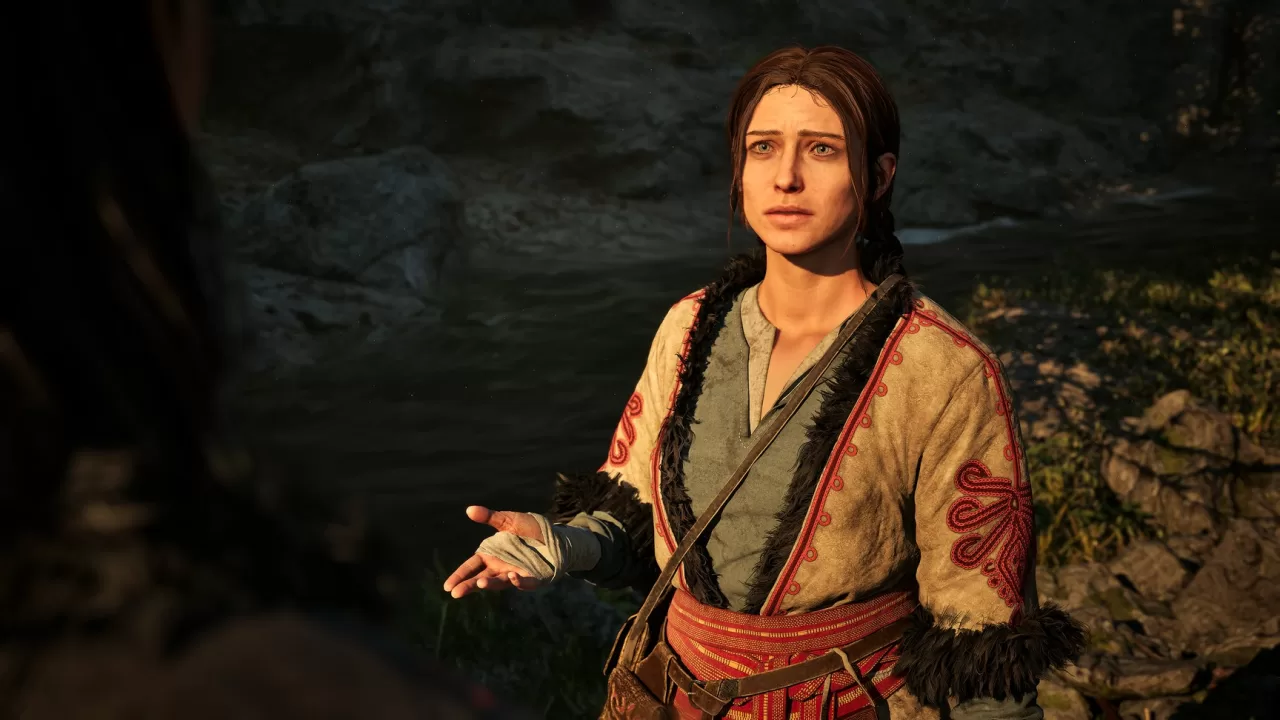
One of the most memorable parts of my hands-on with the game was a quest where I had to go to an herbalist to get medicine. After getting the medicine, I luckily went to the Glossary. Initially, I just wanted to learn more about the characters and the world, though I also saw the right dosage for the medicine, which I kind of glossed over during the conversation with the herbalist.
When Coen went back to his home, he prepares the medicine. The game then asks you how many scoops of the herbs and how hot the water you’ll need to use. As I luckily checked the note, I prepared the medicine correctly. Thanks to this, the character that needs healing the big event that happens midway through the prologue. After chatting with some other media at the hands-on preview, it turns out that if you make a mistake with the preparation, the character dies.
Even though it’s early into the game, there are plenty of moments like these. Near the end of the prologue, when Coen is turned into a vampire, the game tells you that Coen won’t be able to control his hunger if he talks to an NPC at less than half health. I proceeded to forget about this, and I talked to an NPC in vampire form at under 50% health. True enough, all the dialogue options faded, and I saw Coen attack and drain the NPC of his blood, resulting in his death.
In this regard, the degree of choice and consequence that you have in Dawnwalker reminded me of classic BioWare titles (there are even confirmed romance options here). As a fan of those games, I was delighted by what I experienced in the early hours of Dawnwalker’s story, enough that I was able to overlook the somewhat stilted voice acting in some parts, as well as the awkward cuts between some of the scenarios.
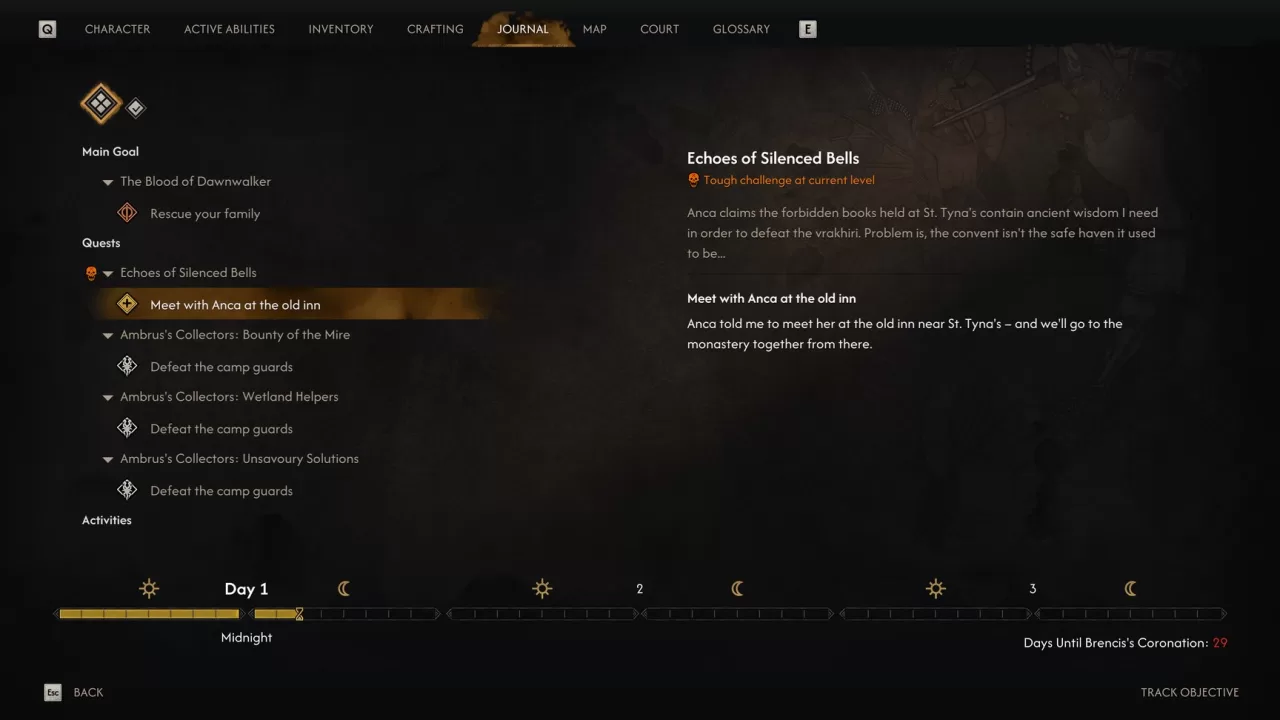
Player choice isn’t just a big factor for dialogue, as the game’s entire quest progression system is defined by what players choose to do next. That’s because time works differently in this game. How it works is that day and night cycles have eight time chunks each. Doing a quest often requires one or two chunks of time. Thus, you have to think about what you want to do next, especially given the time limit of the main story.
After the prologue, Coen discovers that his family has been taken by Brencis, and that he has only 30 days to rescue them. This gives players pretty much unparalleled freedom in terms of how they want to complete this objective. While players can choose to rush to Brencis’ castle, the smart play should be to get Coen’s swordfighting and vampiric skills stronger by doing various quests, including potentially facing Brencis’ vassals.
As I was only able to experience less than an hour of the main part of the game, I can’t say for certain how unique the quests are in general. Despite this, I think the 30-day time limit gives the game a unique identity, especially given that you can’t just “pause” the main story and complete all the side quests available on your map as you would in most other open-world RPGs. Given this, coupled with the numerous choices with major consequences that the game has, Dawnwalker should be great for multiple playthroughs.
Even if you just do one playthrough, the game should provide plenty of hours of gameplay. While you’ll be doing a lot of choosing dialogue options, you’ll also face plenty of enemies. Thus, you will have to get used to the game’s combat system.
Directional Combat with Vampiric Twists
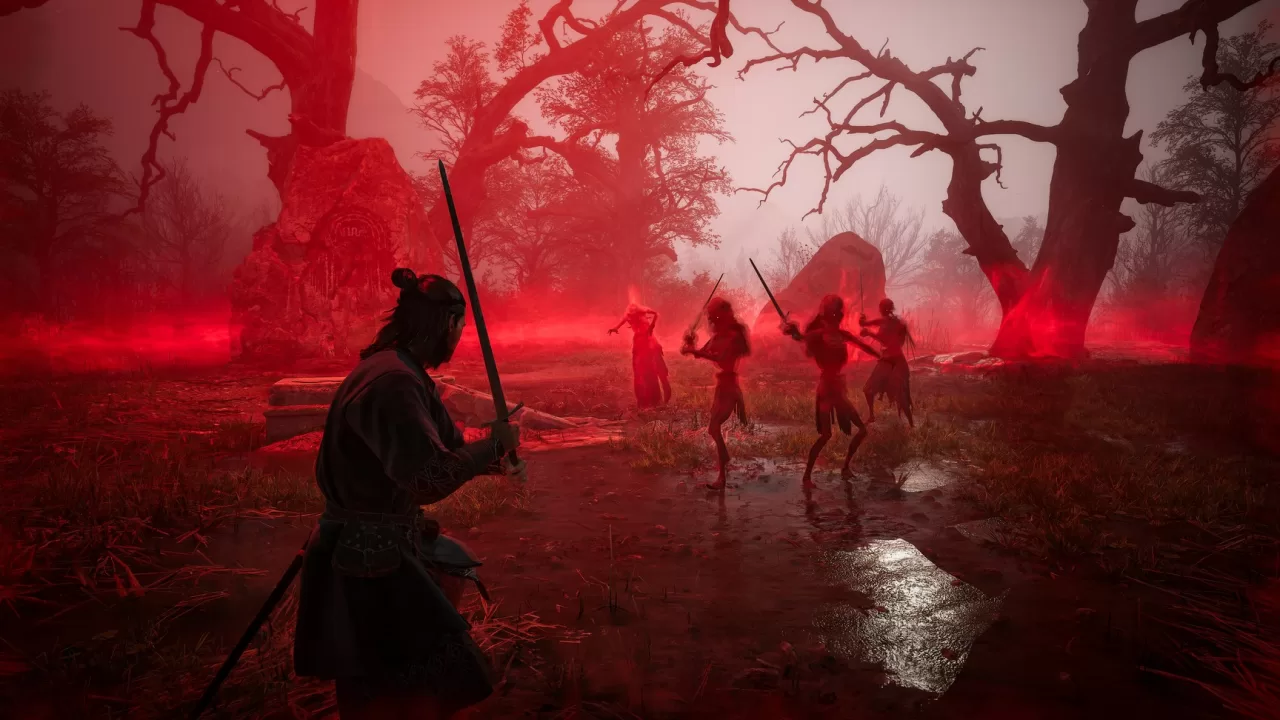
Players won’t just swing their swords around with a mix of light and heavy attacks in this game. Instead, The Blood of the Dawnwalker features a directional combat that’s reminiscent of games like Kingdom Come: Deliverance. How it works is that each press of the right shoulder button can be accompanied by moving the left analog stick in a certain direction, enabling you to attack from one of four directions. Blocking also works like this, as you must press the left shoulder button and move your analog stick to the direction of an enemy’s attack to block it properly.
As such, combat is all about timing your attacks and blocks, especially as doing either will drain your stamina meter. Landing a timely block means less stamina is consumed, so it’s important to get the timing and flow of the combat right. In my time with the game, it took me a while to get used to the directional combat, and I imagine that this won’t be for everyone. Thankfully, the game has plenty of accessibility options, including the ability to turn off directional combat. There are also lots of difficulty adjustment options so you can fine-tune the experience.
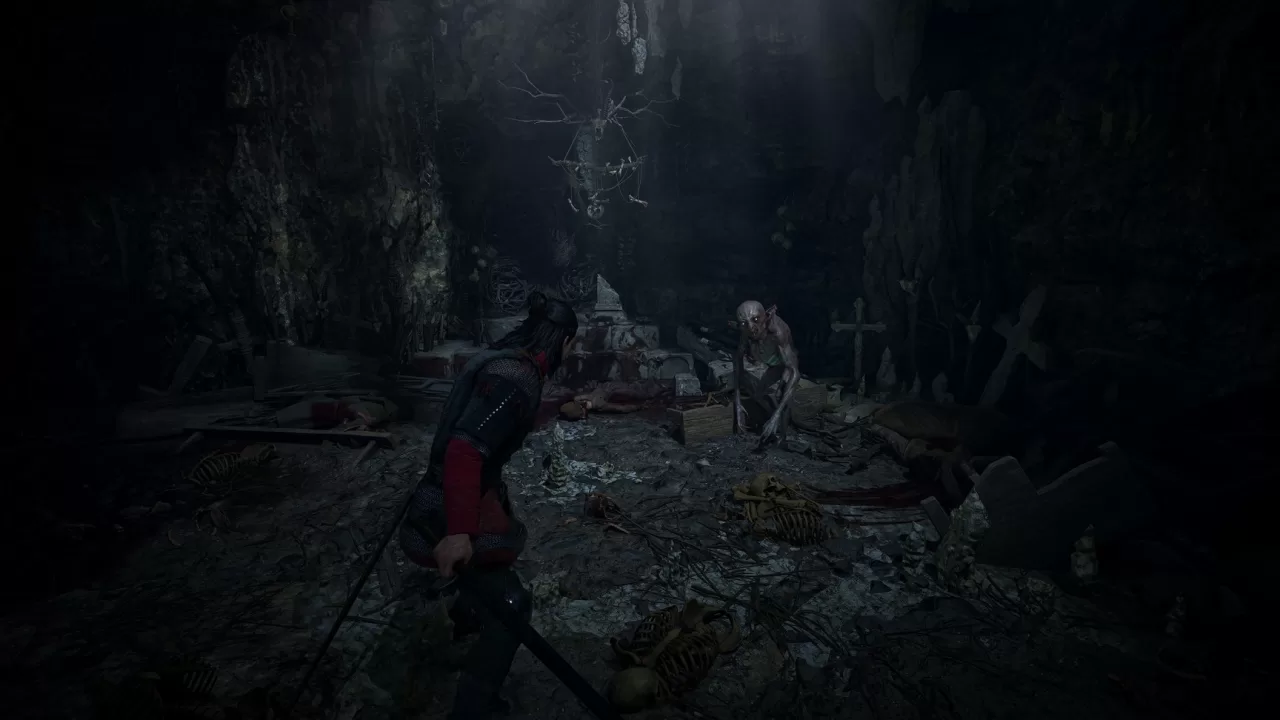
Adding more depth to the combat system is the fact that Coen’s abilities differ in daytime and at night, as when the sun goes down, Coen is able to access his vampiric abilities. This gives him the option to attack with claws and access more unique skills. Healing also works differently in day and night. When the sun is out, you can heal by eating food, but at night, you’ll need to drain the blood of human foes or animals found across Vale Sangora.
Because I only tried out the initial hours of the game, I wasn’t able to explore the extent of Coen’s abilities. From what I’ve seen though, Coen will unlock lots of skills via shrines. Interestingly, some higher-level abilities will eat up time if you want to learn them, adding another wrinkle to a player’s path within the 30-day time limit.
While the combat flowed after I got to grips with the systems, there are parts of it that can be improved. For instance, both combat and movement across the game’s world can feel a bit janky. Thus, the game’s combat overall doesn’t feel as smooth as other open-world triple-A titles. There’s also the fact that the game has a focus/detective mode, which might become a crutch when it comes to quest design.
Blood of the Dawnwalker – Initial Verdict
My biggest takeaway from The Blood of the Dawnwalker is that its story truly has a lot of potential, given the sheer number of things that can happen based on a player’s choices. This is complemented by the game’s unique structure where players have a strict time limit to complete the main quest, which is unlike most other open-world RPGs.
Story-wise, this game has definitely piqued our interest. But for gameplay, the verdict’s still out. While the directional combat flowed well enough, the combat system didn’t exactly wow us. Hopefully, it impresses more when we return to the game soon.
The Blood of Dawnwalker will be released on PS5, Xbox Series X|S, and PC on September 3, 2026.