

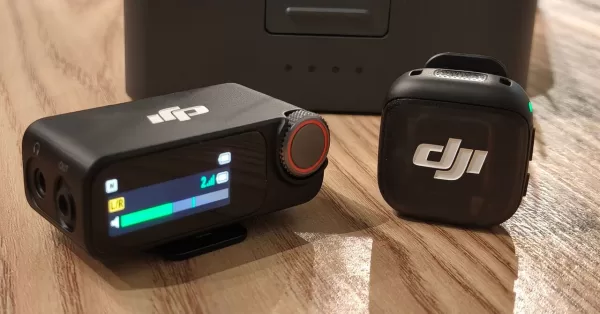
DJI has been steadily expanding their dominance in the professional audio game, and it continues with the launch of the DJI Mic 3. Their new wireless lavalier microphone system represents their goal it maintaining consistency in bridging the gap between consumer-friendly ease of use and genuinely professional audio capabilities. The Mic 1, Mic 2, and Mic Mini have made their respective marks–and its time for the 3rd generation to shine. This comprehensive audio solution is geared towards serious content creators and professionals who need reliable, high-quality sound capture.
With seamless 4TX+8RX capability and features like integrated timecode support, and 32-bit float internal recording, you’re basically already given a head start in content creation. The “Ultimate Advanced Mini Wireless Microphone” tagline suggests this system can handle everything from solo vlogs to complex multi-camera productions. But can a 16-gram transmitter really deliver the professional performance that content creators and broadcast professionals demand? Let’s find out.
Geeksthetic
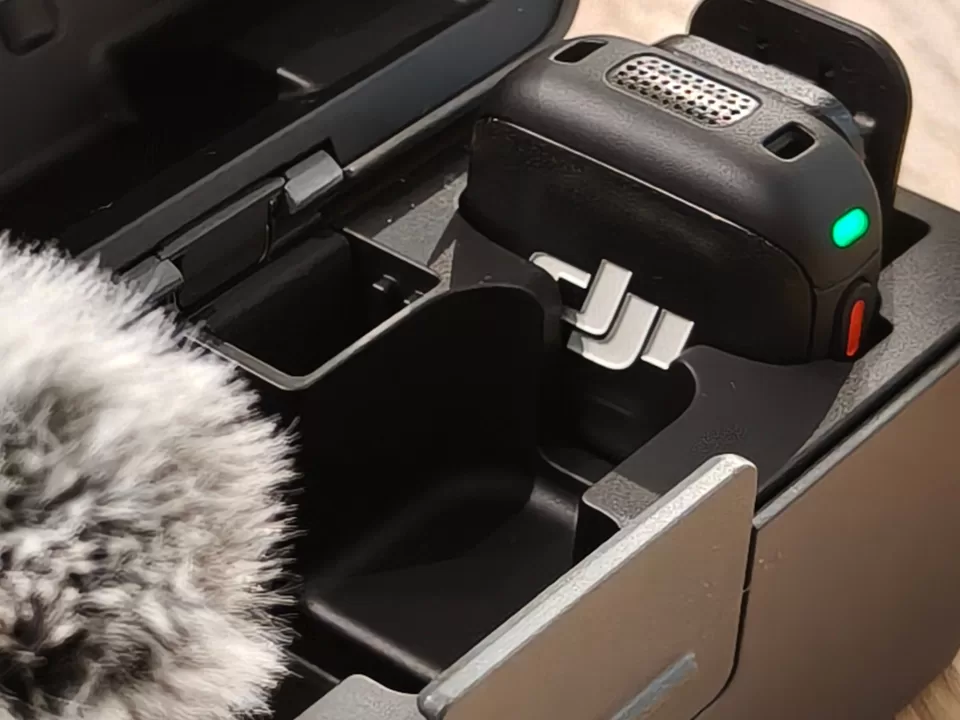
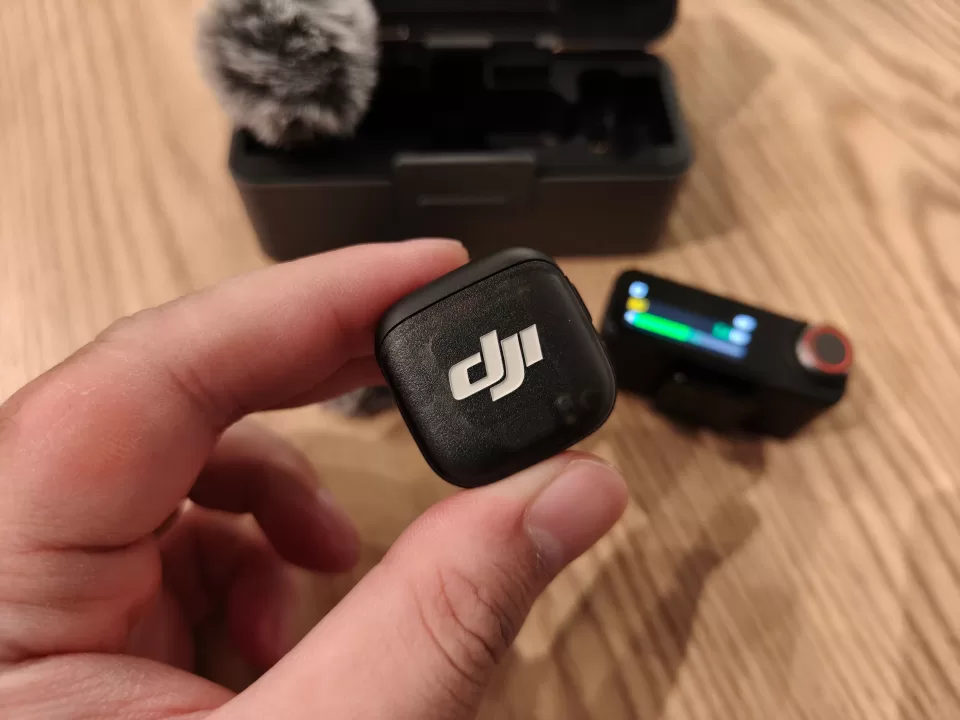
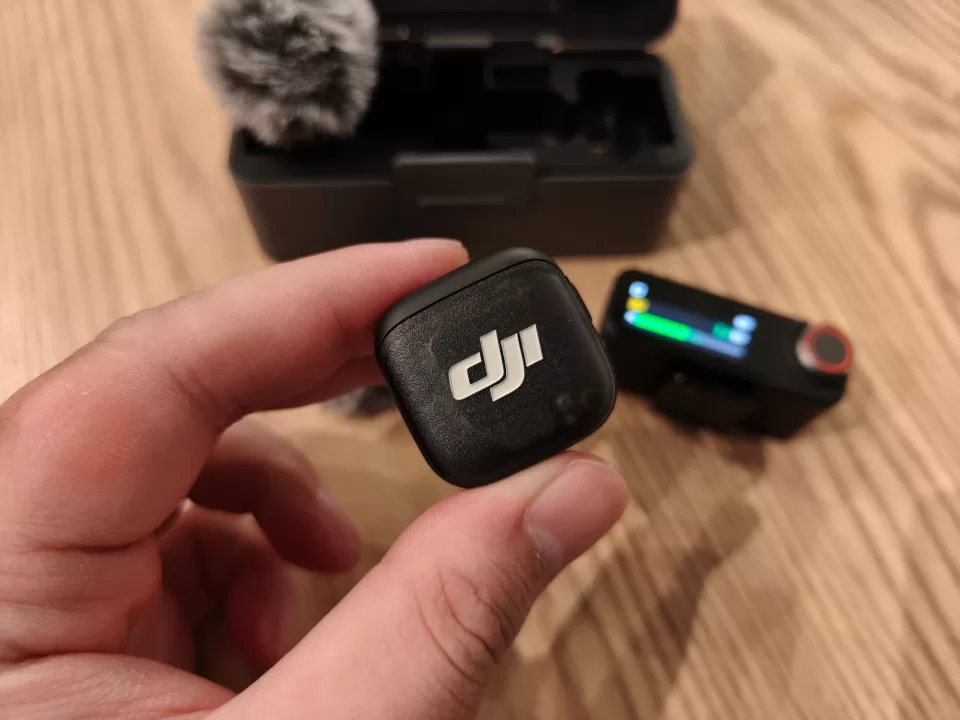
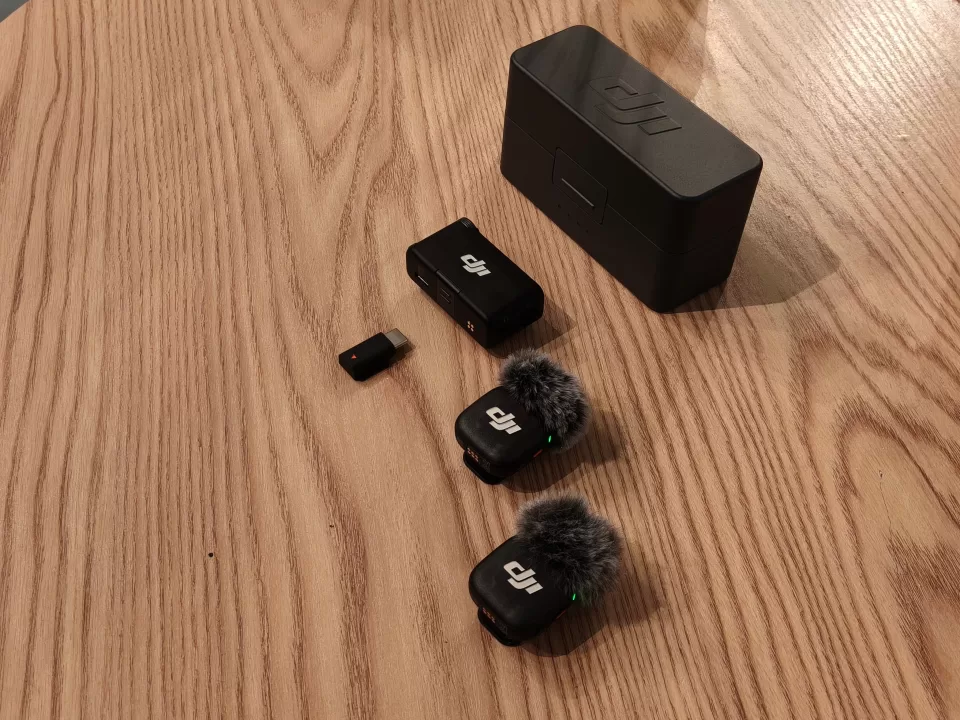
The DJI Mic 3 arrives in a sweet and sturdy matte finish case featuring DJI’s patented latch system—something we genuinely hope becomes a forever mainstay across their product lineup. The case strikes that perfect balance between protection and portability, never feeling too hefty while providing genuine peace of mind for your investment. What’s particularly thoughtful is how it fits perfectly inside the included pouch, which features its own set of organized pockets for cable management and accessory storage.
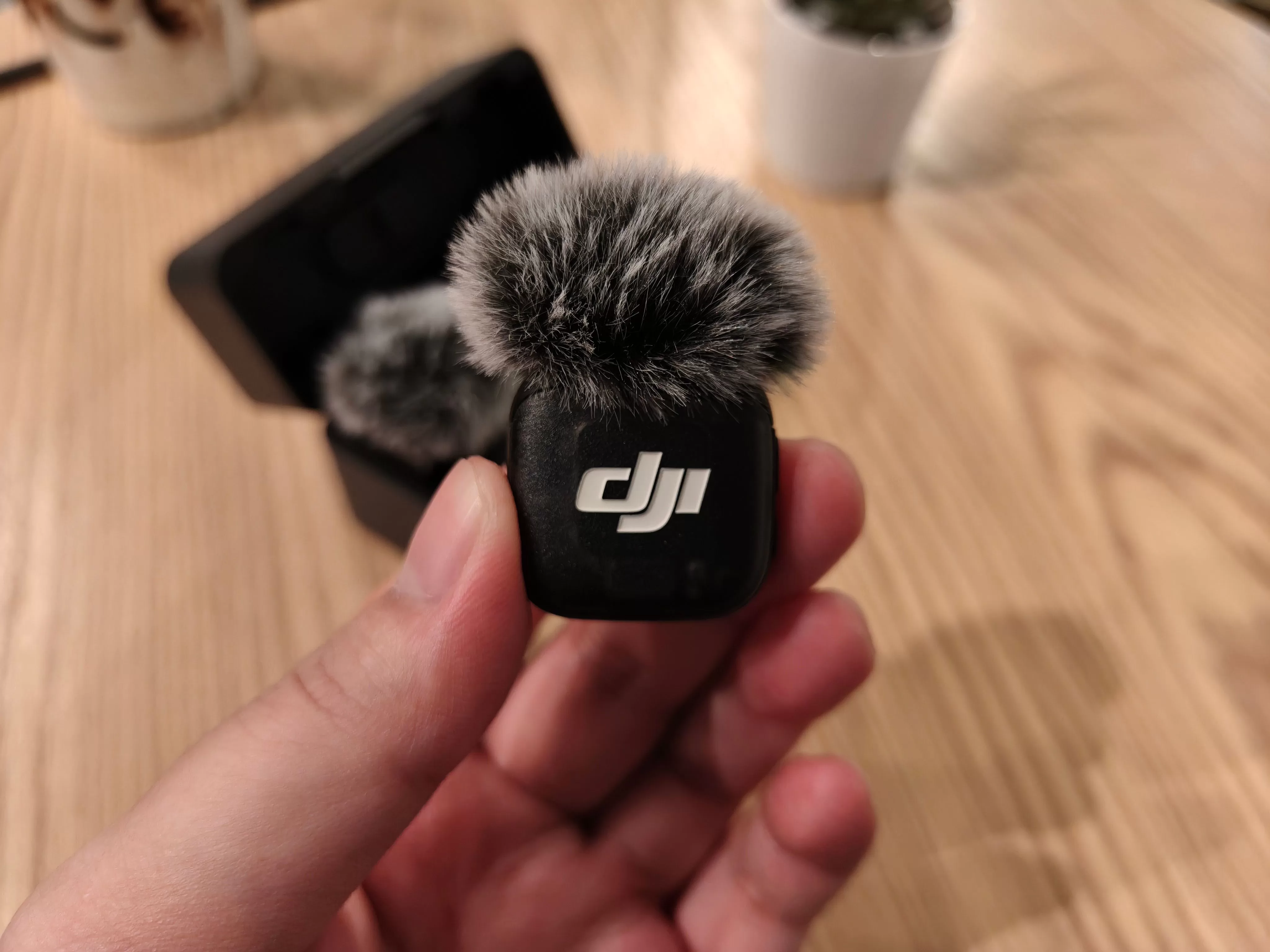
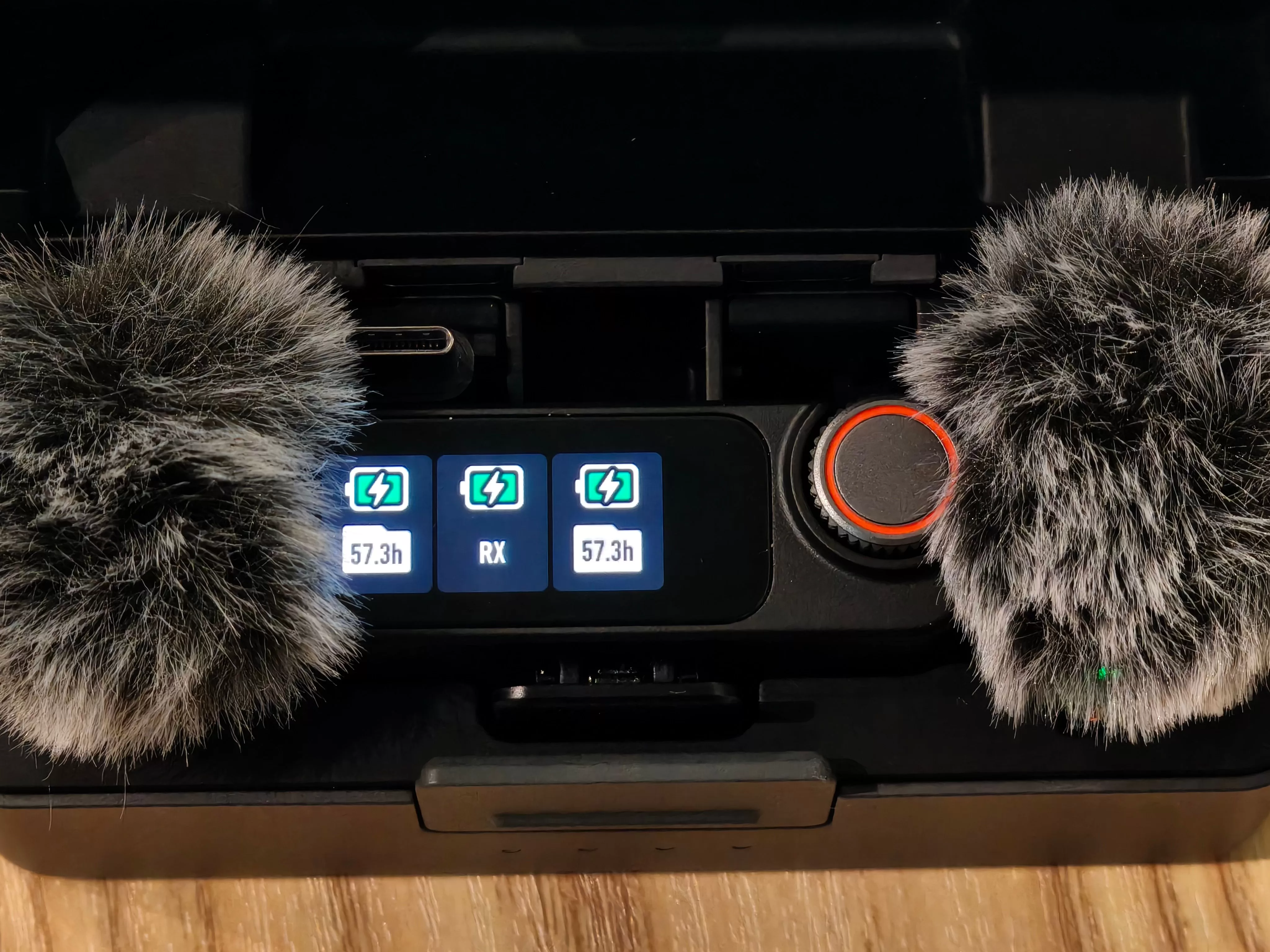
The attention to practical details becomes immediately apparent when you realize the case accommodates the transmitters even with those afro windscreens attached. No more frustrating decisions about storage versus protection—everything fits as designed, charges without issue, and remains easily accessible when you need to grab your gear and go. The magnetic charging system works flawlessly, creating secure connections that inspire confidence during transport.
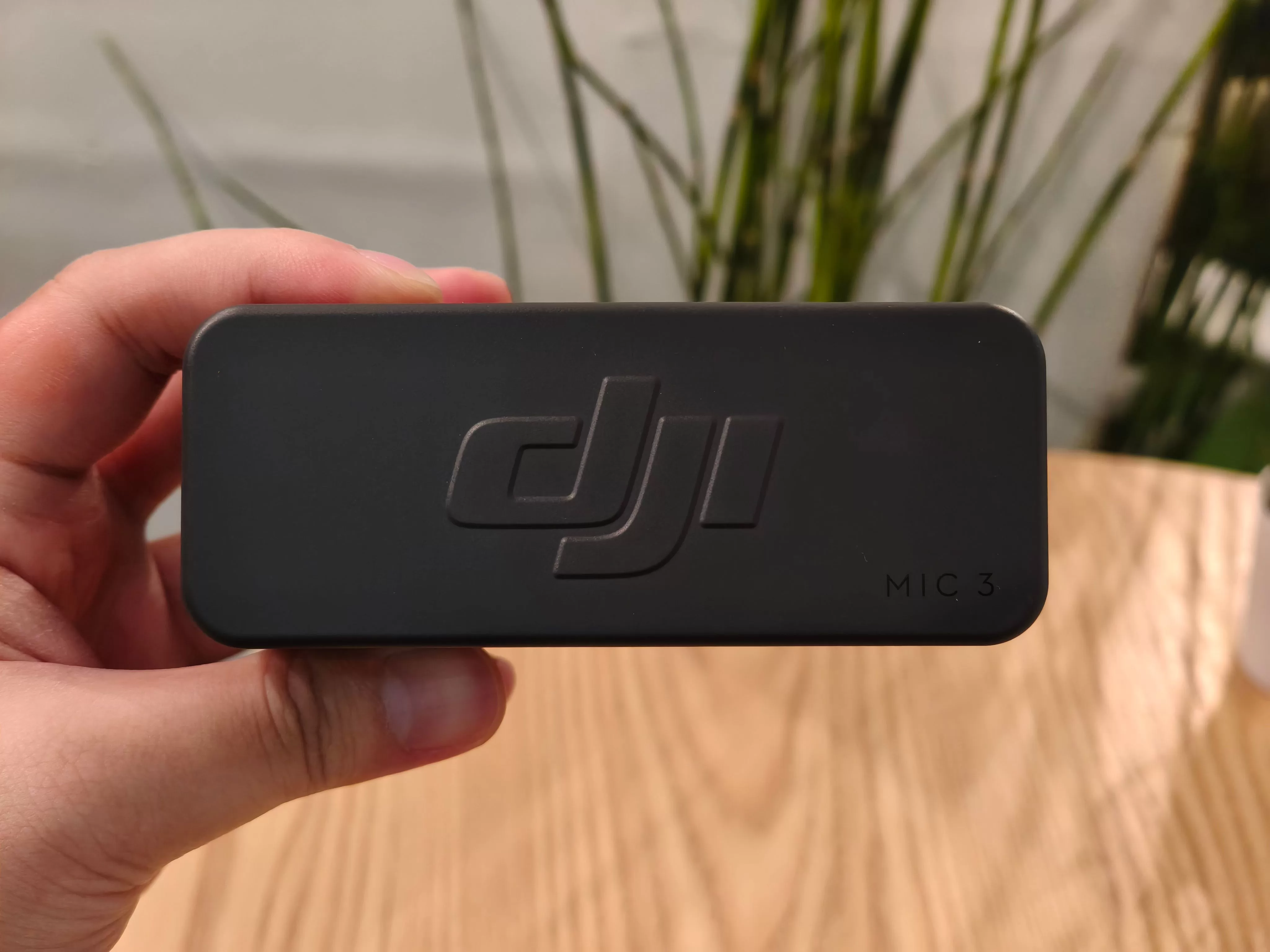
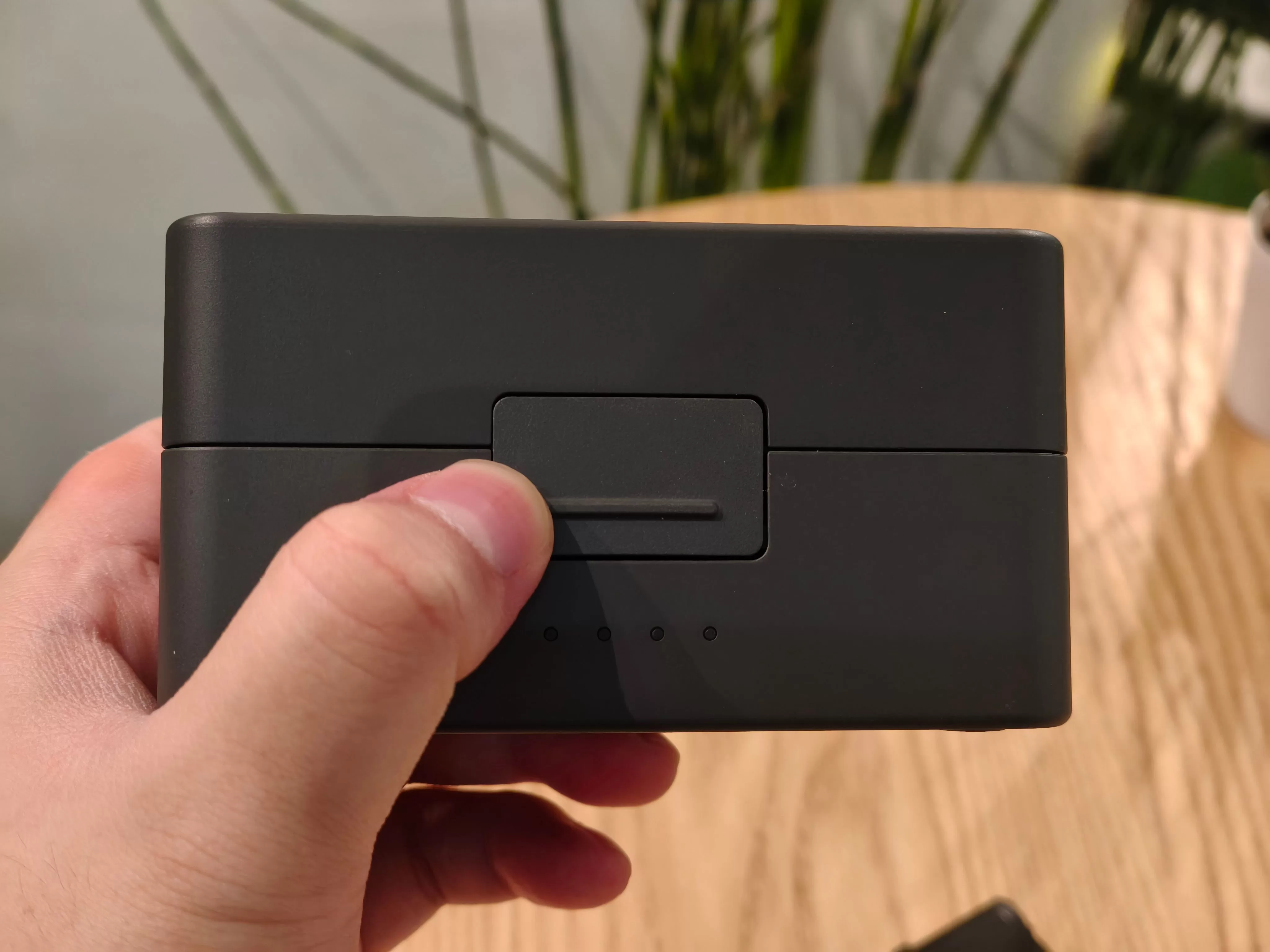
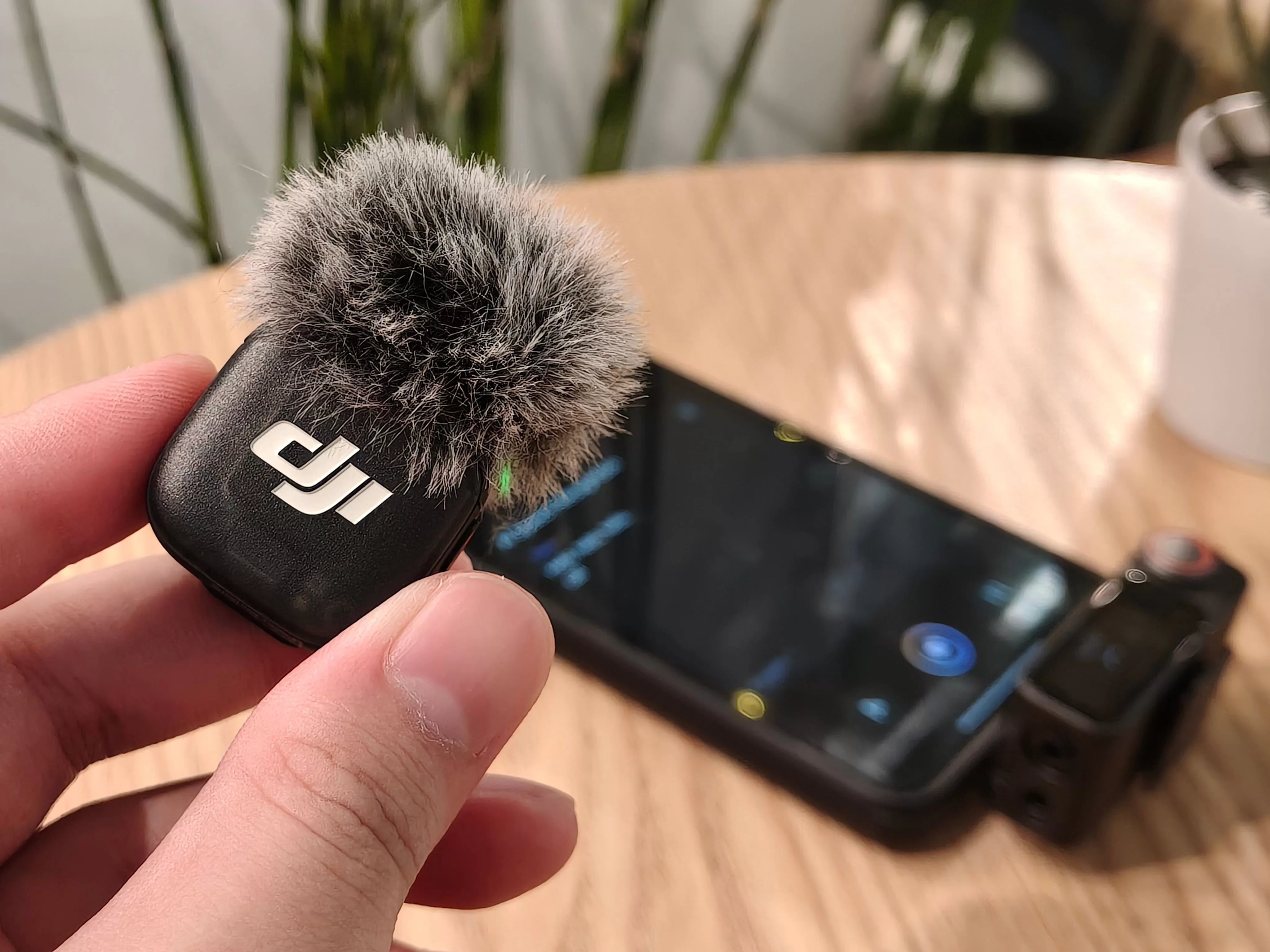
At just 16 grams per transmitter (including the magnet), these units feel almost impossibly light while maintaining that premium build quality DJI has become known for. The magnetic clip system is genuinely clever, allowing for versatile attachment options while ensuring your microphone always faces the sound source optimally. The detachable, rotatable design means you can adapt to different clothing styles, interview setups, or creative mounting scenarios without compromising audio quality.
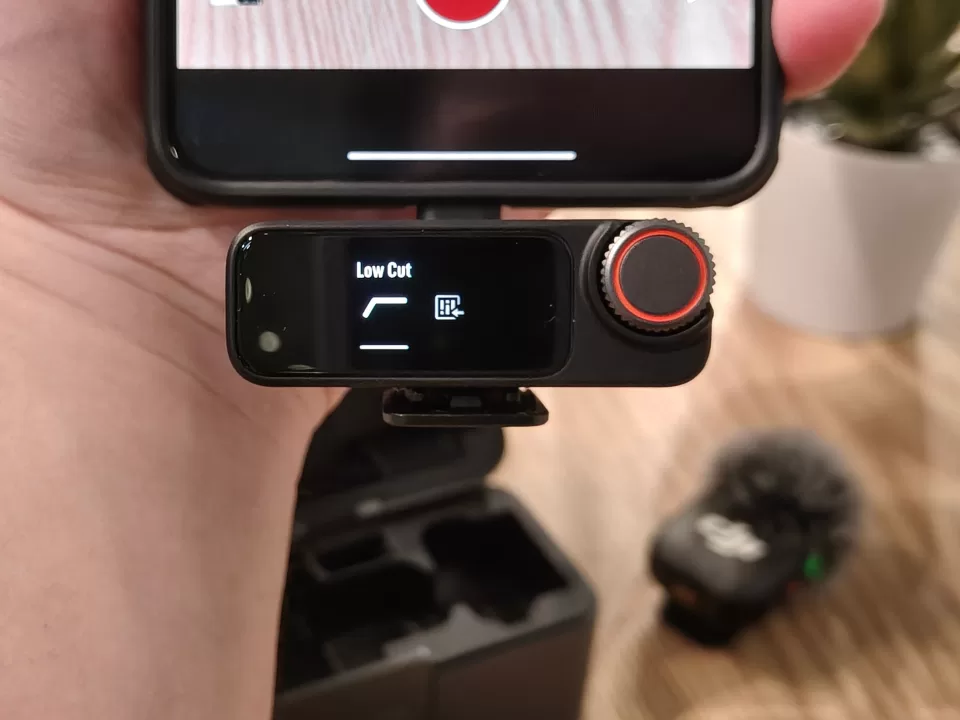
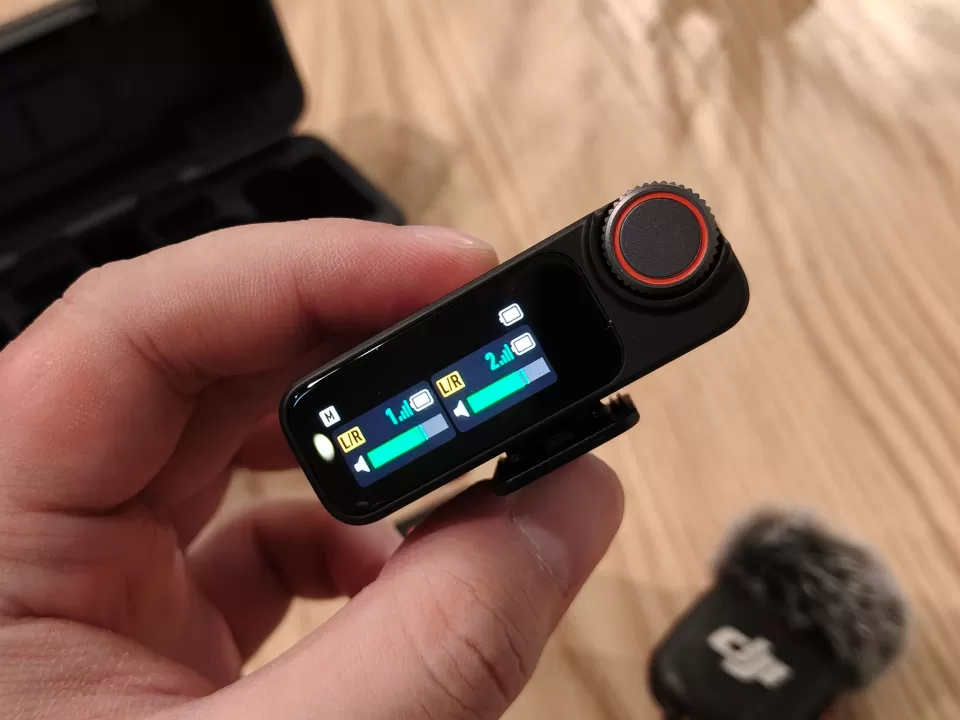
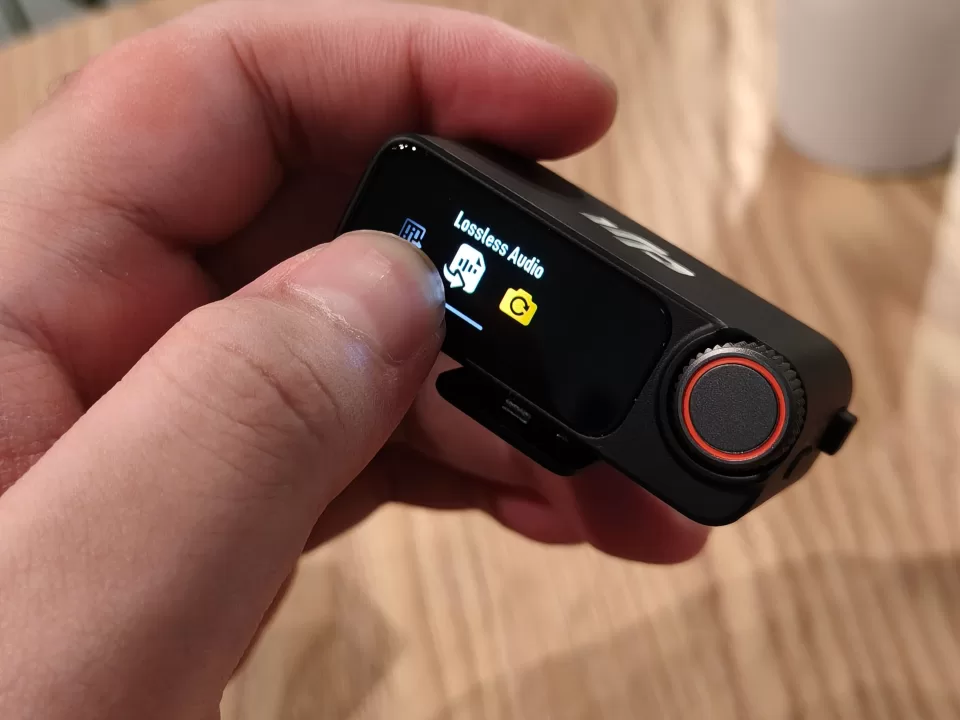
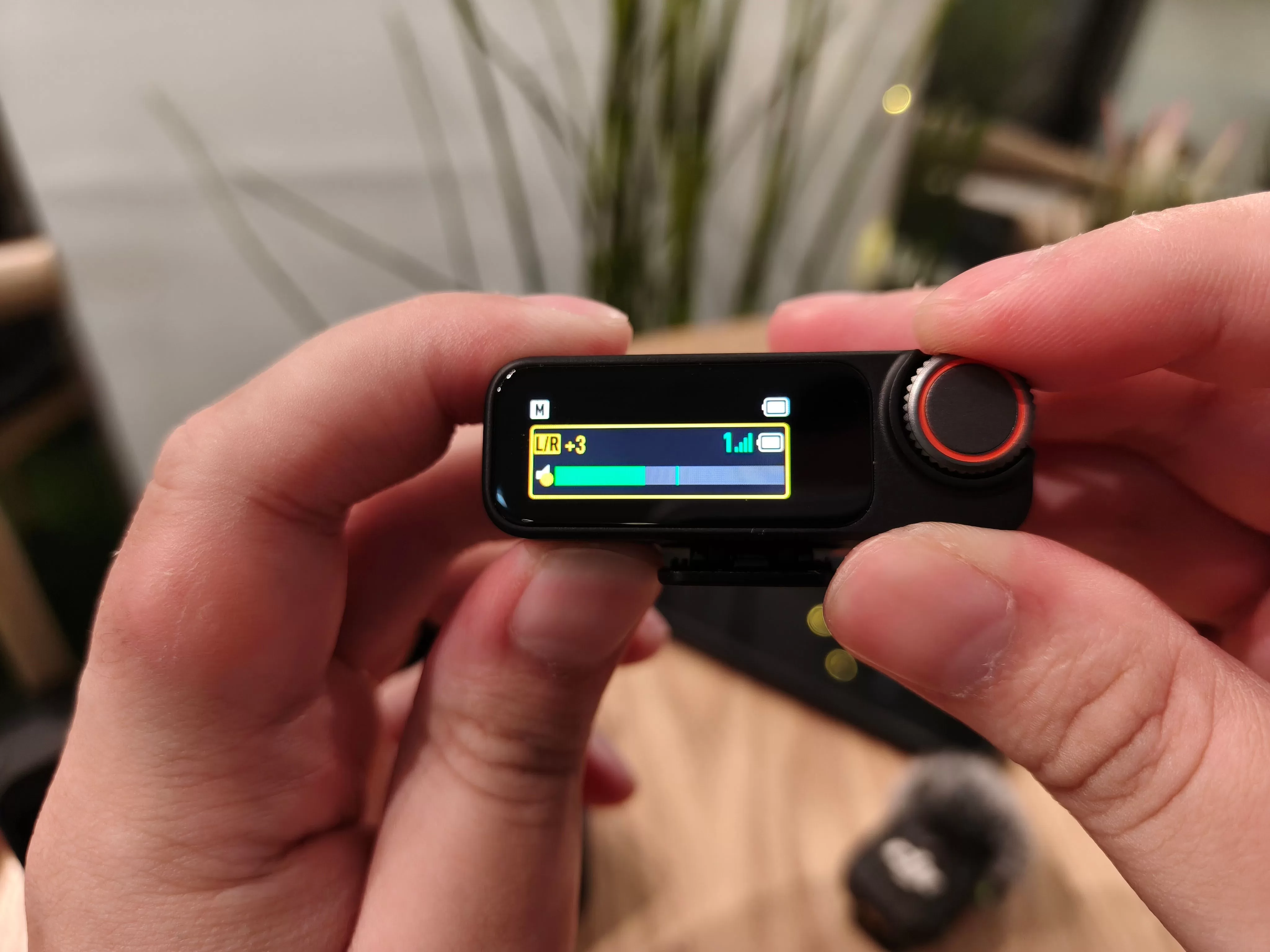
The 1.1-inch AMOLED touchscreen on the receiver feels responsive and premium, displaying clear information about gain levels, battery status, and connection modes without feeling cramped or difficult to read. The physical dial provides tactile feedback for precise adjustments, creating an interface that works well whether you’re making quick adjustments in bright sunlight or detailed configurations in controlled environments.
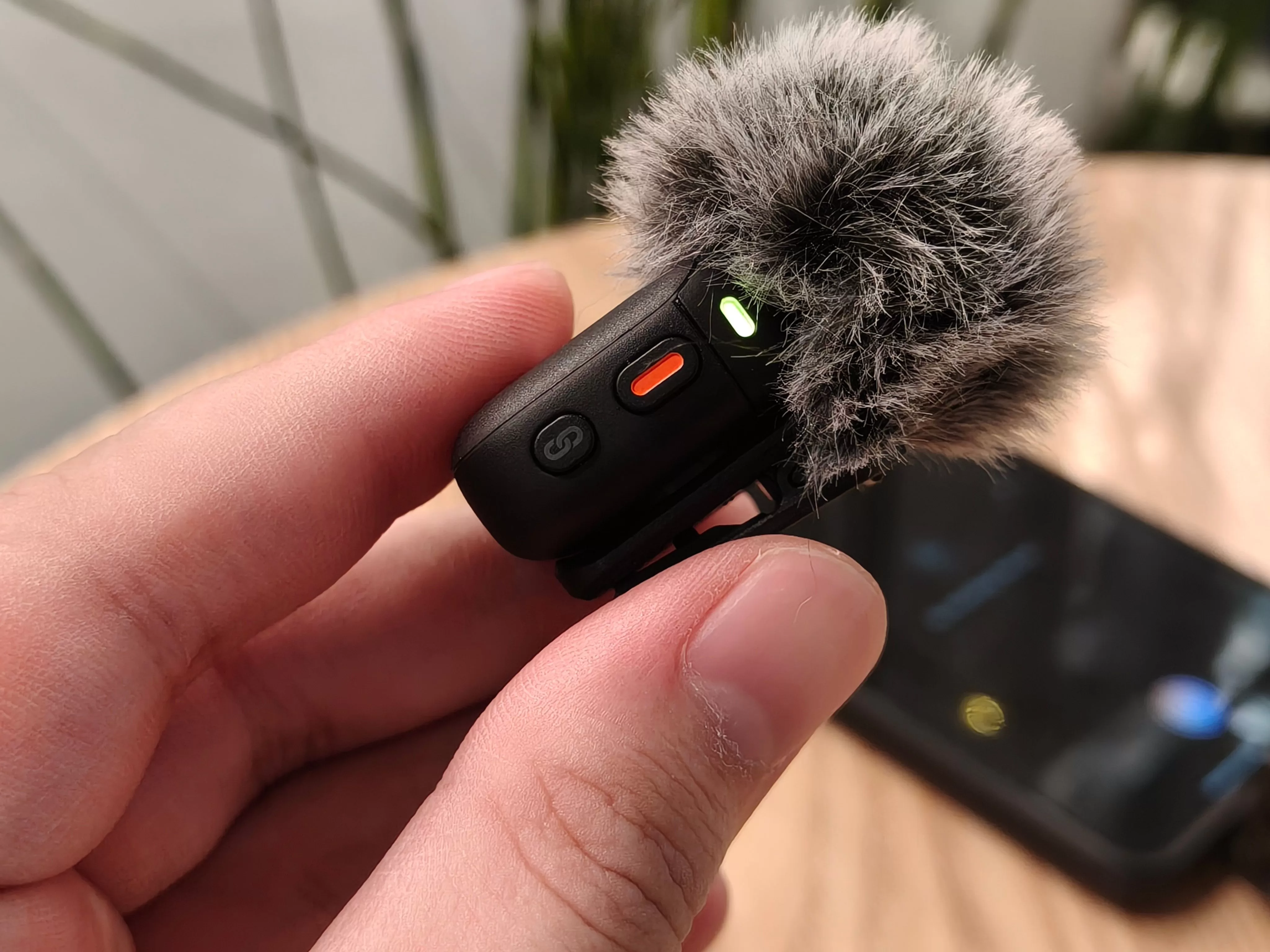
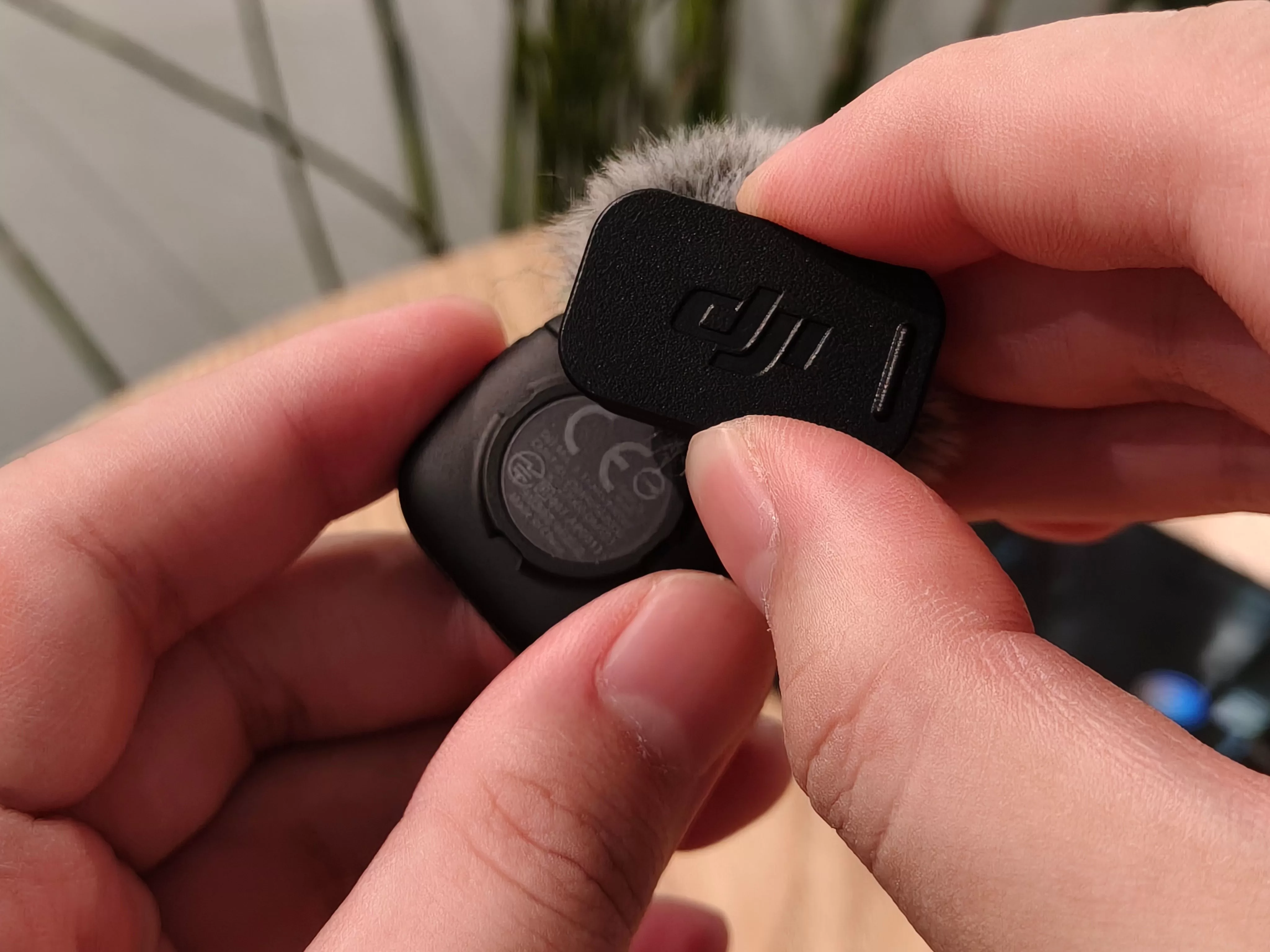
The overall design philosophy prioritizes functionality over flashy aesthetics, resulting in gear that looks professional without drawing unnecessary attention—crucial for interviews, presentations, or any scenario where your equipment should enhance rather than distract from your content.
Plug and Playability
This is where the DJI Mic 3 truly shines and justifies its professional aspirations. First and foremost, you don’t need the DJI Mimo app to fully utilize this microphone system—a refreshing approach that acknowledges real-world workflows where app dependencies can create unnecessary complications. Sure, more budget wireless lavs don’t even have an app–but certain competitors are practically crippled without it. DJI finds the sweet spot by operating as genuine plug-and-play equipment by automatically detecting and connecting to smartphones, tablets, cameras, and laptops without requiring special drivers or complex setup procedures.
The pairing process feels as intuitive as any wireless lav in this price range, but with noticeably more reliability and speed. Transmitters connect to the receiver almost instantaneously, while the receiver itself integrates seamlessly with recording devices through standard 3.5mm connections, USB-C, or the innovative OsmoAudio ecosystem for compatible DJI devices.
The touchscreen interface deserves special recognition for striking that perfect sensitivity balance—responsive enough to register intentional inputs without triggering accidental commands from casual contact. Menu navigation feels logical and well-organized, allowing you to access essential functions like monitoring volume adjustment and microphone gain control through just a few quick taps. The learning curve is minimal, even for users transitioning from other wireless systems.
What’s particularly impressive is how the system handles multiple transmitter setups. Adding additional TX units to create those complex 4TX+8RX configurations remains straightforward, with clear visual feedback confirming successful connections. The group management features work intuitively, allowing individual control of each transmitter or collective adjustments across the entire array—crucial for multi-person interviews or complex production scenarios.
The 400-meter transmission range in open environments provides genuine freedom of movement, while the dual-band 2.4GHz/5GHz operation ensures reliable connectivity even in RF-challenging environments like convention centers or urban locations with heavy wireless interference.
It’s worth noting that you can access all this from the receiver’s “home screen” which you can easily tap and swipe–or press and twist using the very handy dandy button. From here, you can easily navigate multiple menus catering to both the transmitters and the receiver for a more streamlined, tailormade experience.
Aural Delivery
The audio quality is genuinely crisp and clear—surprisingly impressive for an omnidirectional microphone operating at this size and weight. While you’ll definitely encounter challenges when recording in acoustically problematic spaces like large, empty rooms with hard surfaces, the system performs beautifully in typical content creation environments. As long as you have even basic acoustic treatment—think curtains, furniture, or carpeting—you’ll produce genuinely professional-quality recordings that rival much larger, more expensive systems.
The intelligent noise cancellation system proves its worth across various scenarios, though it requires thoughtful application rather than blind activation. The two-level system (Basic and Strong) allows for nuanced control, with the Basic mode effectively managing consistent background noise like air conditioning or distant traffic without introducing artifacts. However, cranking the Strong mode too aggressively introduces the familiar problem of words getting clipped or unnaturally processed—a common limitation across most noise cancellation systems that the DJI Mic 3 handles better than most but doesn’t completely eliminate.
The lowest setting is your best bet. Engaging in stronger settings in noisier settings will definitely induce the “noise gate” effect.
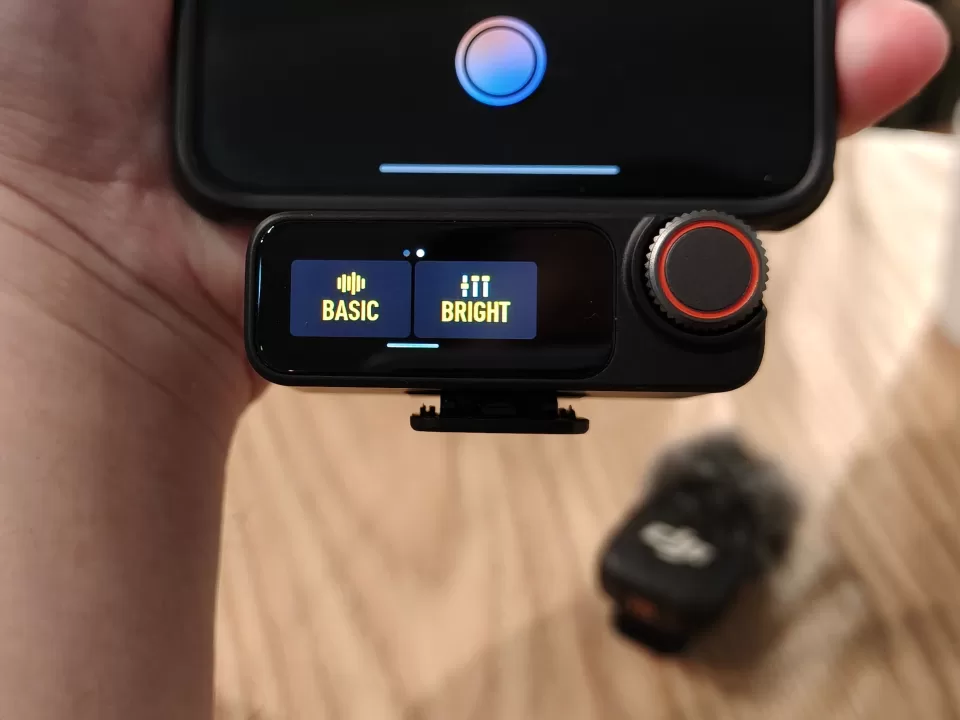
The three voice tone presets represent a genuinely useful addition that goes beyond marketing gimmicks. The “Bright” preset emerges as our clear favorite, producing audio with distinctly more condenser-like clarity in the high frequencies that flatters most speaking voices and creates that professional podcast or broadcast sound that many content creators strive for. The “Regular” mode provides balanced, natural reproduction, while “Rich” adds warmth and body that works well for deeper voices or more intimate content styles.
The adaptive gain control proves invaluable for dynamic recording situations, automatically preventing the harsh clipping that can ruin otherwise perfect takes. The Automatic mode works well for general use, while the Dynamic mode shows its worth in controlled environments where multiple speakers need balanced levels—particularly useful for interview scenarios or panel discussions.
The 32-bit float internal recording capability provides that professional safety net that distinguishes this system from consumer alternatives. The dual-file recording option—capturing both raw audio and algorithm-enhanced versions—streamlines post-production workflows while ensuring you always have high-quality backup audio that can be used directly without additional processing.
Content Capacity
The DJI Mic 3 represents a genuinely worthy addition to any serious content creator’s loadout, delivering the kind of versatility and reliability that transforms how you approach audio capture. The compatibility span across cameras, smartphones, tablets, and computers spoils you for choice while ensuring your investment remains useful regardless of how your gear setup evolves over time.
The fact that the system doesn’t rely completely on the DJI Mimo app feels refreshing and professional—you can access core functionality through the receiver’s interface, reserving app connectivity for advanced configurations or firmware updates. This approach acknowledges that professional workflows often happen in locations or timeframes where smartphone connectivity isn’t ideal or available.
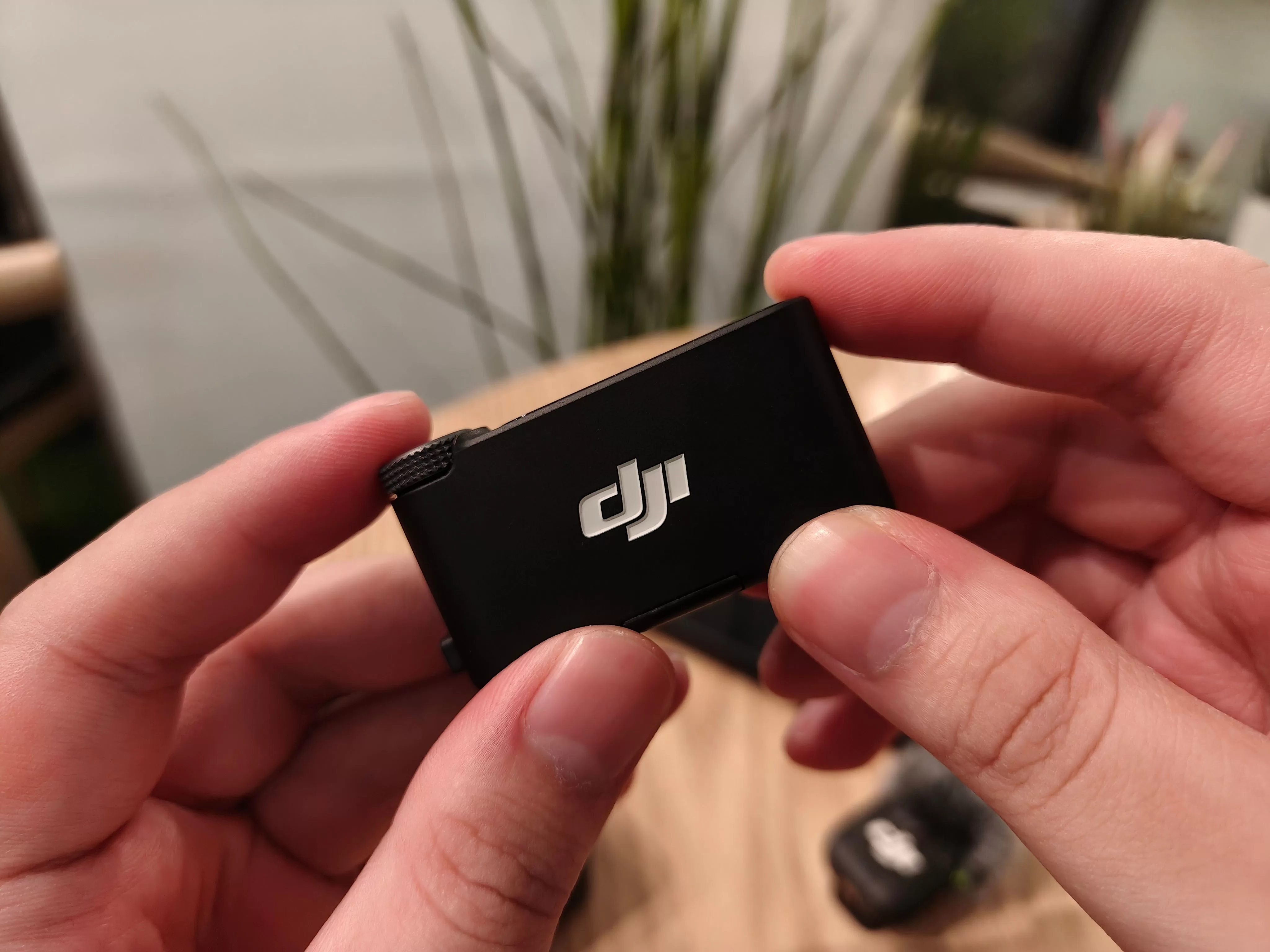
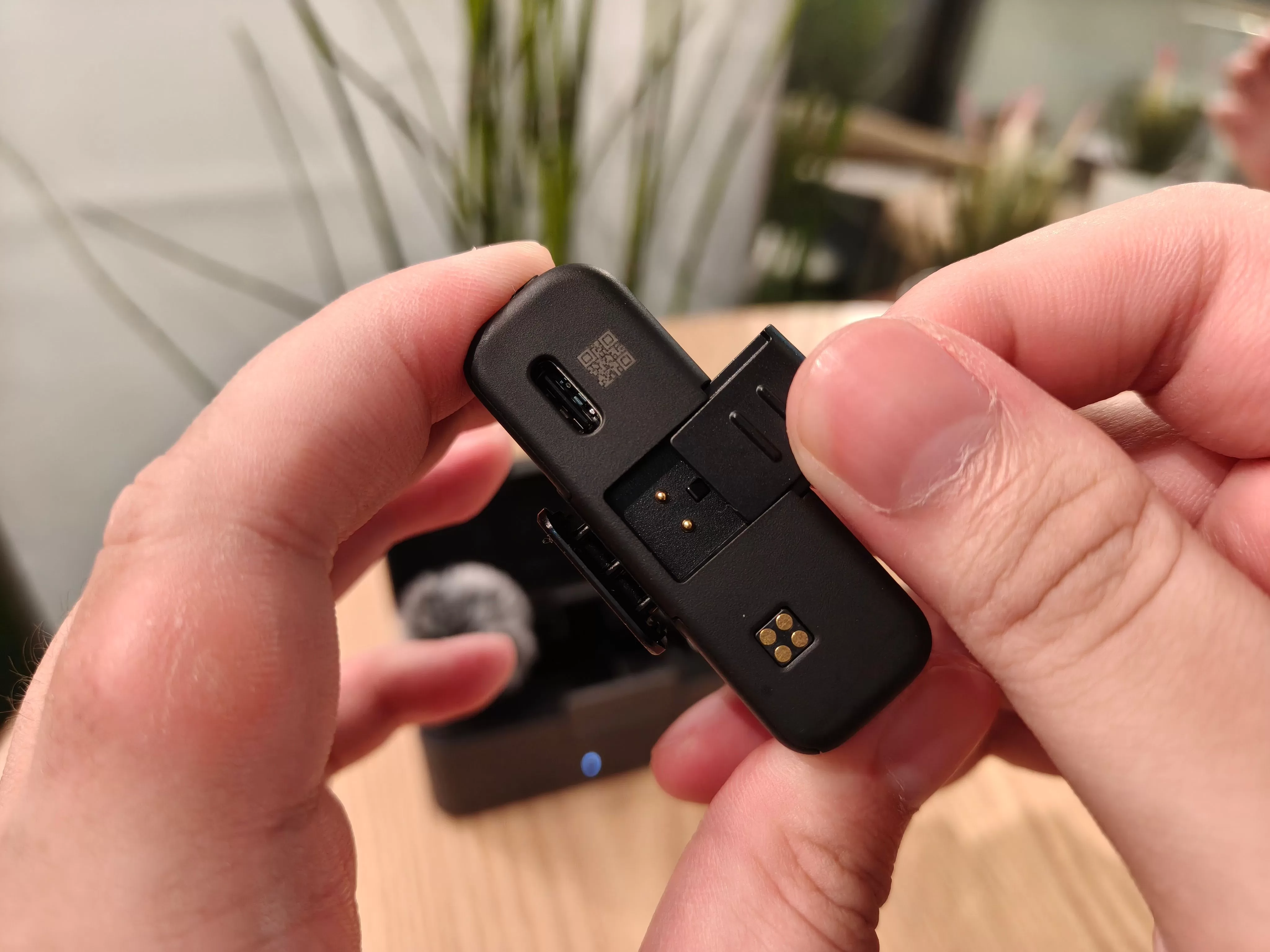
The replaceable magnetic clips and swappable windscreens add genuine versatility while allowing for aesthetic customization that matters more than you might expect in client-facing or broadcast scenarios. The ability to quickly swap between different mounting options or wind protection levels means adapting to changing conditions doesn’t require equipment changes or workflow interruptions.
The timecode integration capabilities open up professional post-production workflows that would typically require significantly more expensive equipment. Whether you’re syncing multiple camera angles, coordinating with external recorders, or managing complex multi-person productions, the precision timing ensures your audio tracks align perfectly without tedious manual syncing processes.
The 4TX+8RX capability transforms what’s possible with wireless audio capture, enabling complex productions that would typically require mixing boards, multiple receiver units, and careful frequency coordination. The group monitoring and control features mean a single operator can manage audio for entire productions, adjusting individual transmitter settings or applying changes across the entire array as conditions change.
The extended 28-hour total operating time (8 hours transmitter, 10 hours receiver, plus charging case capacity) means you can handle full production days without battery anxiety, while the 5-minute quick charge providing 2 hours of operation ensures that even forgotten charging doesn’t derail your schedule.
Whether you’re producing solo content, managing multi-person interviews, coordinating complex live streams, or handling professional video production, you really can’t go wrong with this system. All you have to do is pick it up and create anything your heart desires—the DJI Mic 3 provides the technical foundation to let your creativity take center stage.
Geek Lifestyle Final Verdict
This microphone system excels at being genuinely versatile—equally capable of handling simple smartphone vlogs and complex multi-camera broadcast productions. The combination of professional features like timecode support, 32-bit float recording, and 4TX+8RX capability with consumer-friendly plug-and-play operation creates a compelling package that grows with your needs and ambitions.
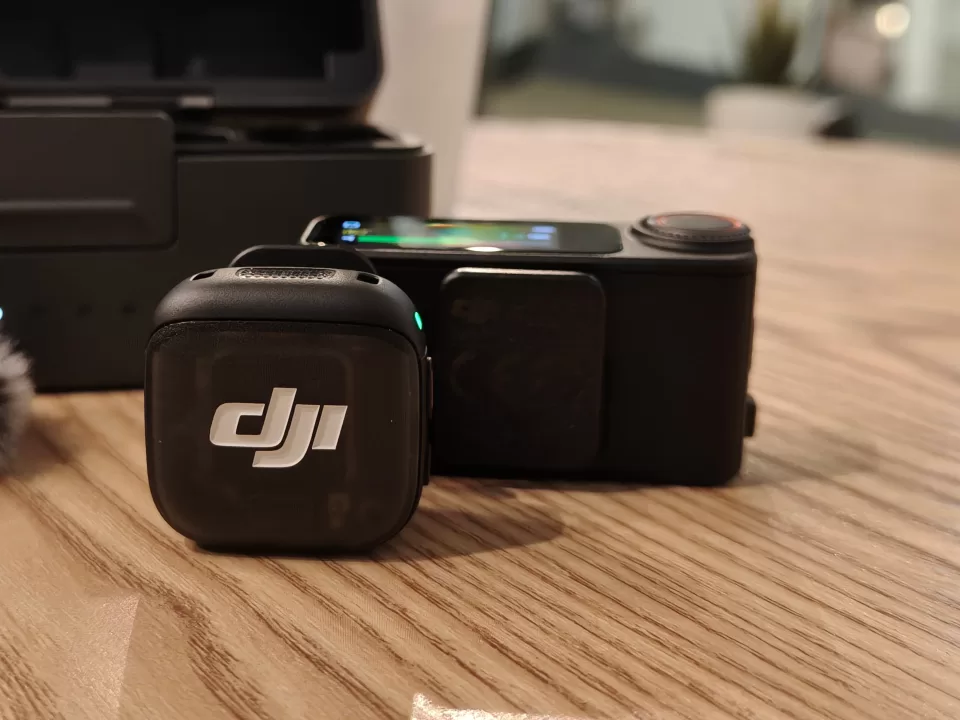
The audio quality is consistent, the build quality inspires confidence, and the user experience remains intuitive even when accessing advanced features. The thoughtful design details, from the charging case that accommodates windscreens to the magnetic clip system that always keeps your mic optimally positioned, show that DJI understands how these tools get used in real-world scenarios.
Sure, the noise cancellation can get aggressive at higher settings, and you’ll still need some basic acoustic awareness for optimal results, but these are minor considerations in the context of what this system accomplishes. The 16-gram transmitter weight alone represents a significant comfort advantage for anyone wearing these units for extended periods.
It’s an appealing choice for content creators, podcasters, streamers, and video production professionals who demand reliable, professional-quality audio capture in a system that’s sophisticated enough for complex productions yet simple enough for spontaneous content creation. Whether you’re just starting your content journey or managing professional productions, this microphone system delivers the performance and reliability that lets you focus on creating rather than troubleshooting your audio setup.
The DJI Mic 3 succeeds brilliantly at delivering on its ambitious promise to be the “Ultimate Advanced Mini Wireless Microphone” for both vlogging and professional production. Priced at PHP 18,890, this system won’t exactly come cheap. But given its ease of use, compatibility, and audio capability, it does provide exceptional value for content creators and professionals–especially beginners who don’t want to go through the complexity and struggle traditionally associated with professional wireless systems.
If we found ways to use it without breaking a sweat, anyone can.
For more information, make sure to visit the official website and Facebook page.