

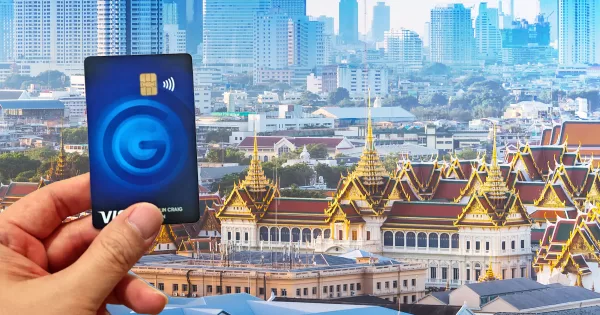
We truly are living in the digital age! It used to be that whenever I travelled abroad, I’d have wads of foreign currency ready to be exchanged at mostly higher-than-list-price money changers at the airport. But recently, I’ve noticed that I’m carrying less and less cash and loving every minute of it.
Having a lot of cash adds additional stress to sometimes an already stressful scenario: travel. And as the one who pretty much plans, provides, and processes majority of travel documents and travel essentials for UnGeek, it falls to me to ensure that the team always have whatever financial support they can get whenever they’re away in a foreign country. If I’m with them when I travel (which is most major international convention coverage, anyway), I must always be prepared for any and all situations – that mostly includes having a lot of Yen, Yuan, Dollars, or in this most recent case, Baht at hand.
But lately, especially in a country where cashless payment systems are prevalent, I find myself using less paper denominations that not only leaves space on my wallet, it also gives me peace of mind that I won’t accidentally misplace the money and be left with a bad case of acid reflux and regret.
In our recent Gamescom Asia 2025 (Thailand Game Show 2025) coverage, we decided to load my Gcash account and use it primarily as the main allowance of the entire team for this trip. Every Baht spent must come from this.
And while I’m no stranger to using GCash even abroad, with Thailand, the freedom to swipe, monitor, and even share the account access has never been this easier – thanks in part to GCash’s relentless pursuit to keep us truly cashless.
From Cashless to Cardless
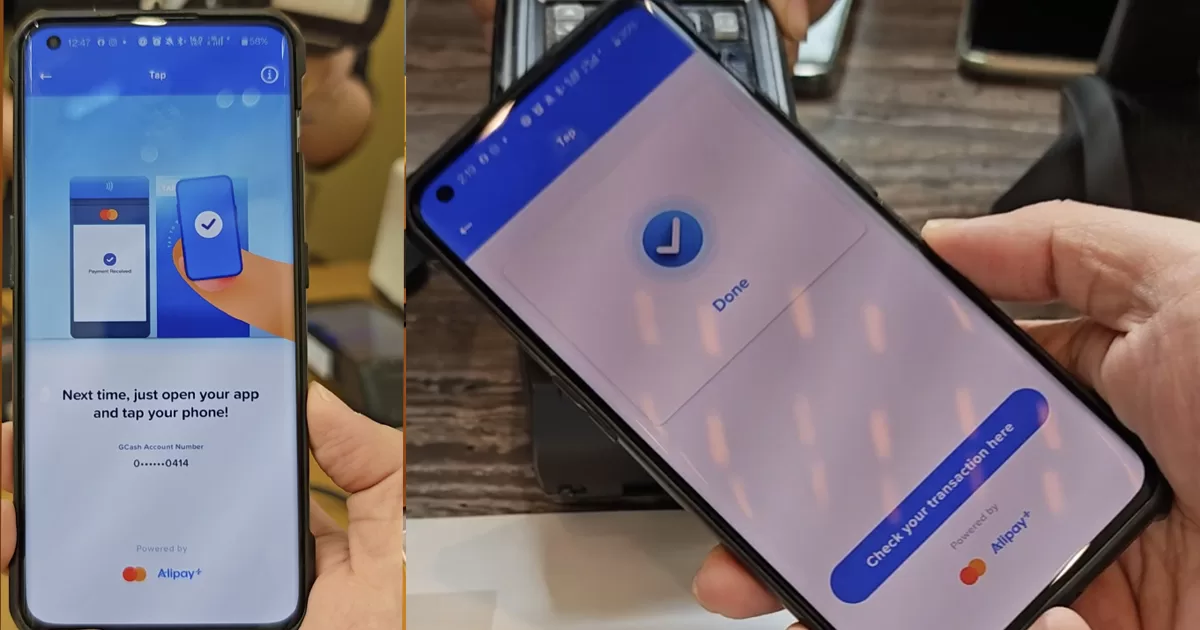
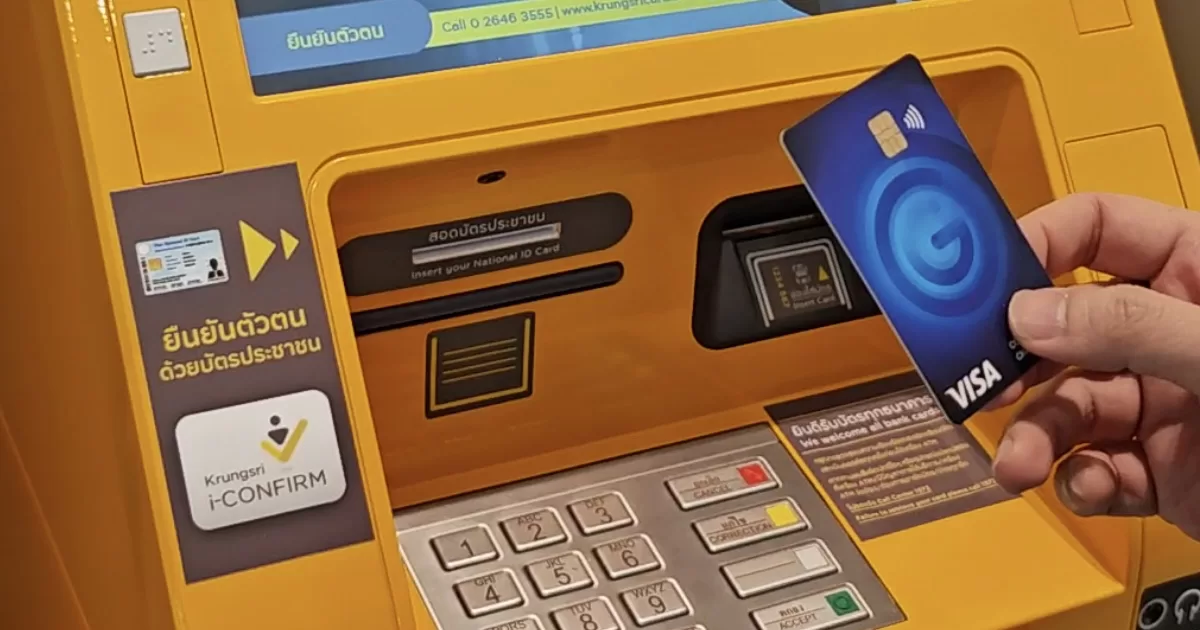
While GCash Visa Card has been my go-to for travel as it acts as both a debit card and an ATM card, the new Tap-to-Pay system has been a game changer. Still enjoying the amazing forex rate from GCash, the tap-to-pay system removes your reliance on the physical Gcash Visa card to transact on pretty much any credit card terminal that has NFC Tap-to-Pay technology. Simply activate the function on your Gcash app, follow the easy on-screen prompts and instructions and et voila, you can now magically tap your phone to purchase goods – it’s giving living in the future…but right now.
One travel scenario that we feel best maximizes the dual use of a physical card and that of a tap-to-pay system is when you have to share an expense pool between more than 1 person. In our recent travel, we loaded up my GCash account to be the primary pool for all our foreign expenses. With having 2 payment systems readily available, I left my physical card with my business partner so I could go around the city while they go on entertain clients and still have money at a ready. Since all transactions are reported in real time, I’m well aware of how much money is being spent and where Rob was taking clients out for lunch or coffee breaks all through the app.
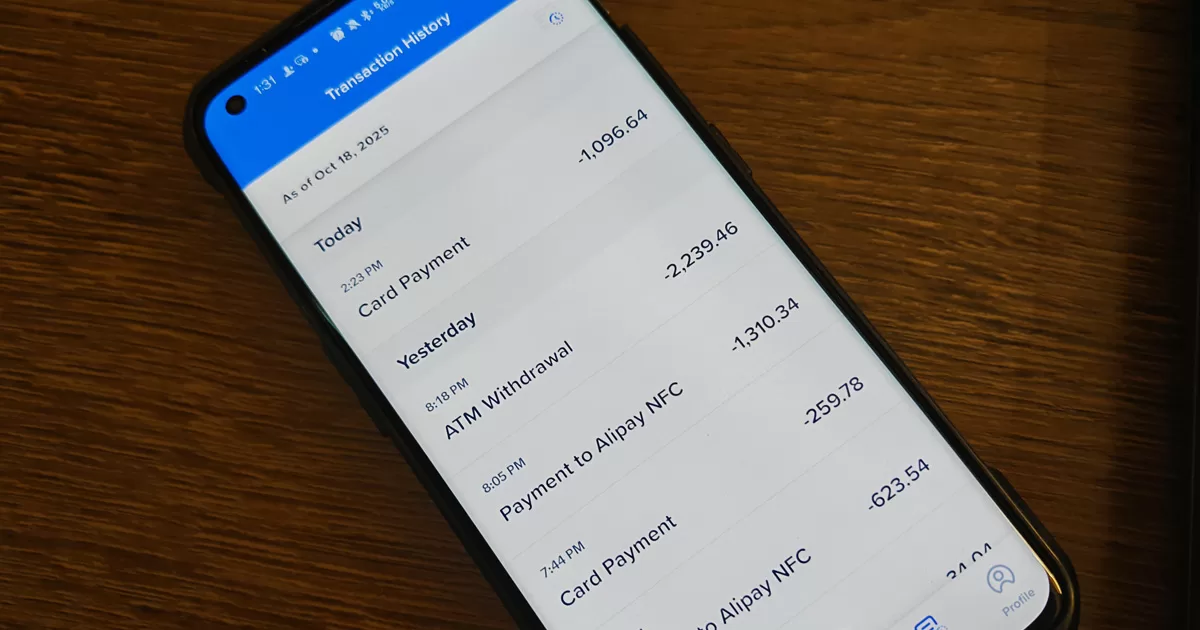
The physical card is still very useful abroad especially if and when you do need some local currencies. Gcash has one of the best foreign exchange currency rates there is that it’s almost close to market price (meaning if you google convert foreign currencies to Philippine Pesos, it’s almost close to that rate). Sure you’ll have to pay a one-time transaction fee every time you withdraw cash with your card, but just factor that in and withdraw a larger denomination. In Japan it’s just a few hundred Yen, in Thailand it’s about 250 Baht – which is a bit more expensive than what we’re used to. The great thing about Thailand, however, is that most stalls will accept cards/ ecards/ and/or tap-to-pay or scan-to-pay services. And yes, you can use your GCash for those as well.
For Scan-to-pay services, GCash does that through their AliPay+ partnership. Fully verified GCash accounts can enjoy these services in more than 50 countries now including most of the tourist destinations like Hong Kong, China, Japan, Thailand, Malaysia, Singapore, Spain, France, Italy, and USA. This is particularly useful especially in countries where traditional credit cards may not be as openly accepted like in Mainland China.
Using GCash in the past was just part of the many financial arsenals that we have whenever we conduct our event coverage and reporting abroad, but given how much we didn’t touch any other payment systems during this recent trip, it seems like we’ll be utilizing GCash more and more throughout the years.
If you haven’t signed up for a GCash account, the app is free to download on all major App Stores (Google Play, The App Store, and HUAWEI’s App Gallery).
For more news on GCash, check them out on their official website and follow them on socials.