

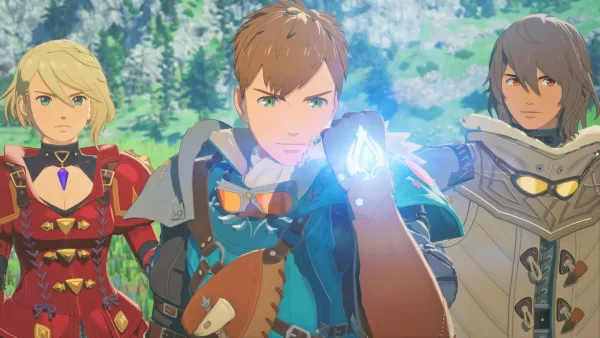
Ahead of the game’s launch this March, we got to interview key members of the Monster Hunter Stories 3 development team, and they shared with us their insight regarding the game’s combat, as well as its more mature themes.
Specifically, we got to interview Executive Producer Tsujimoto Ryozo, Director Oguro Kenji, Lead Game Designer Wakahara Daisuke, and Art Director Kawano Takahiro.
Even though this is the third entry in the Monster Hunter Stories sub-series, this upcoming game promises to be a great way to start your ‘Stories’ journey. For those who have mostly stuck with the Monster Hunter mainline games, Stories 3 has some key differences that should offer a fresh yet familiar experience. This was one of the key things the developers highlighted during the interview.
They also talked about the game’s turn-based combat, along with its Habitat Restoration system and why it’s such an important part of the game. Plus, we got to know about their approach to the game regarding its story. After all, Monster Hunter Stories 3’s story is set apart from the previous games because it tackles more mature themes, with the game featuring a conflict where the two sides aren’t black and white in terms of morality.
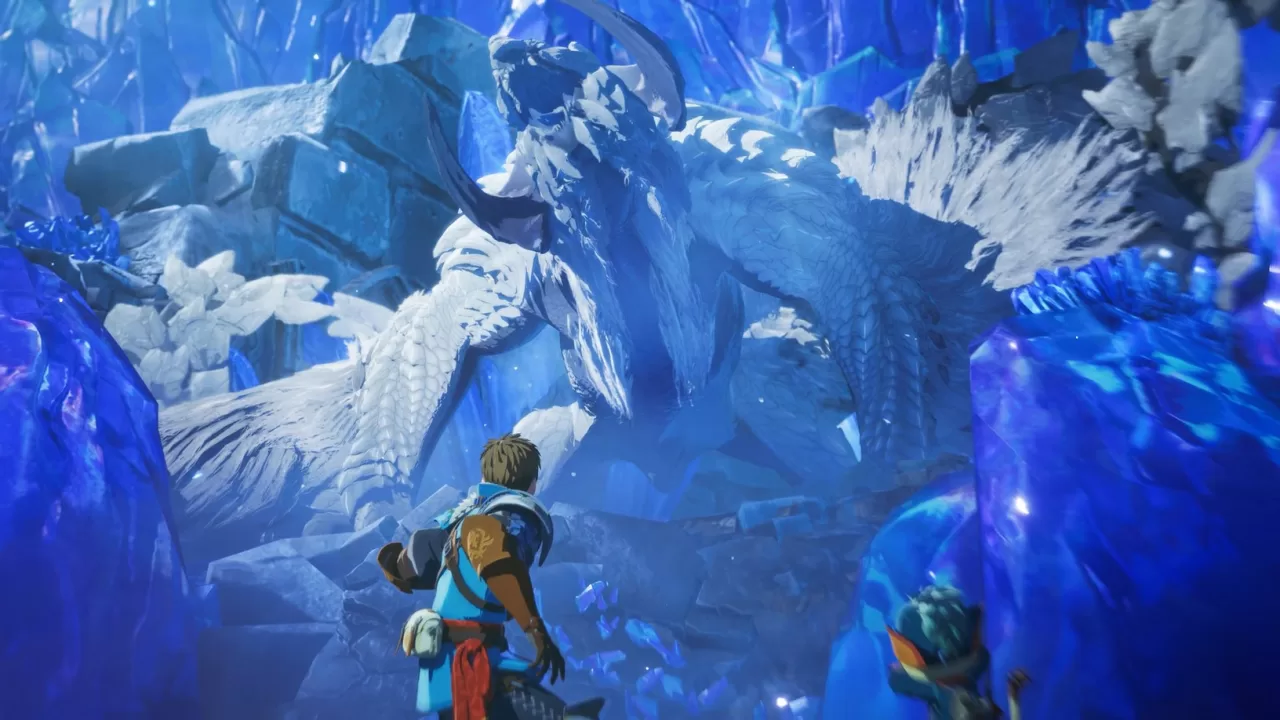
[The following is the complete transcript of our interview with the Monster Hunter Stories 3 creative team.]
When developing Monster Hunter Stories 3, what core experience or message did the team want players to take away from the game?
Tsujimoto Ryozo: One of the most important things when designing these games is, of course, the scenario. So this was something that was very important in Monster Hunter Stories 1 and 2, and, of course, the same goes this time. But the story this time is very much the story of a Rider who is a Ranger.
This time, the story is about starting out. The story starts with a Rider who is already an experienced elite, and the story is very much taking into new RPG elements. For example, as a Ranger, he’s a member of a team, a member of a squad, and together, they have to do team things. For example, they have to experience camaraderie, working together as a group, and going into this grand adventure as an RPG, in an RPG together.
We also thought a lot about the battle system, and they wanted it to be even deeper than before. Although it’s a turn-based system, they really wanted players to think on a deeper level than they ever have. And also, at the same time, really enjoyed that experience.
In terms of overall theme, there’s such a stark difference between the mainline Monster Hunter titles. Aside from what’s already been said, is there anything, like a core theme, that they wanted to convey with this title?
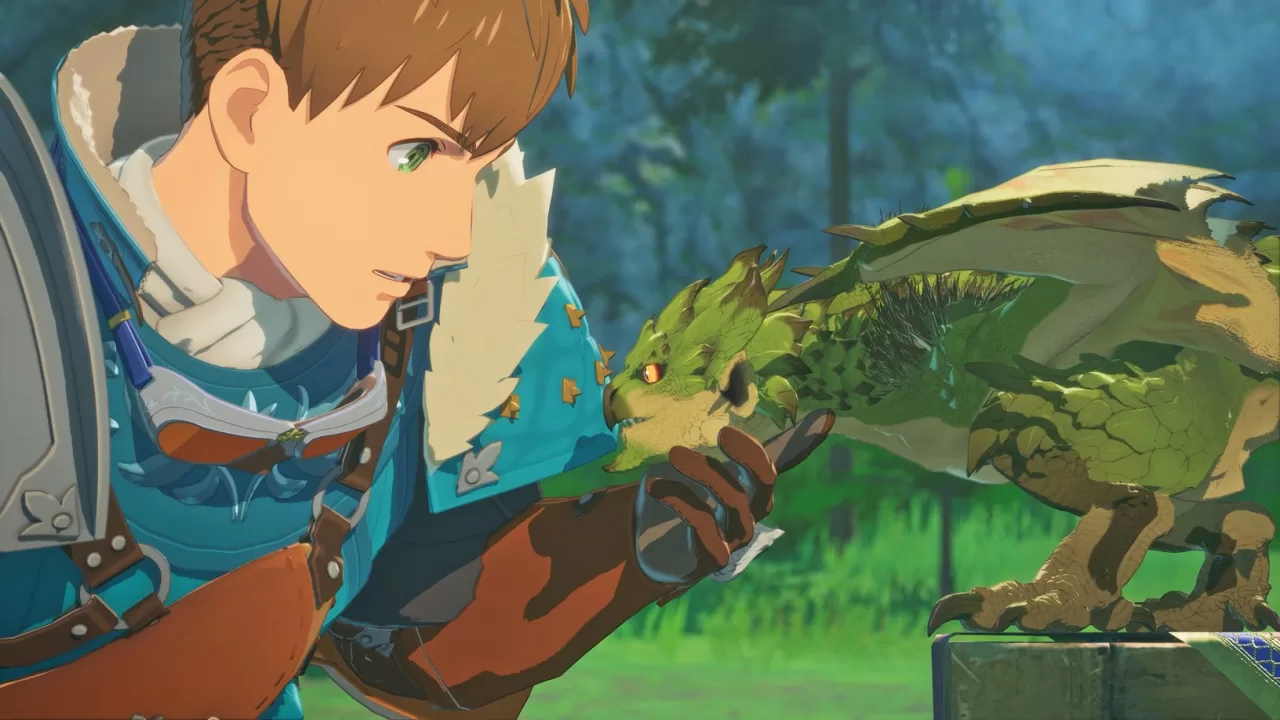
Tsujimoto Ryozo: When we were conceptualizing Monster Hunter Stories 3, we had to think about the differences between the mainline series and this game. And with the main line Monster Hunter, the relationship between a hunter and a monster is hunting. But for this game, we want people to focus more on the main character that you can create, and also, the monsters themselves will now be the main characters.
The two main elements that we wanted to shine the spotlight on this time. The first is that we want to be able to give players the ability to really connect with the monsters and to get close to these monsters. The second thing is that the core concept of the Monster Hunter Stories series has traditionally been about even people who are not very good at action games (which is the main Monster Hunter series that can be a bit difficult), we wanted to create an RPG game that is easy and fun for everyone to play and enjoy.
In this next version (Monster Hunter Stories 3), I want players to be able to feel like they’re getting closer to monsters, but also to their Ranger comrades – your squad members. So it’s a grand adventure that is a lot about these relationships.
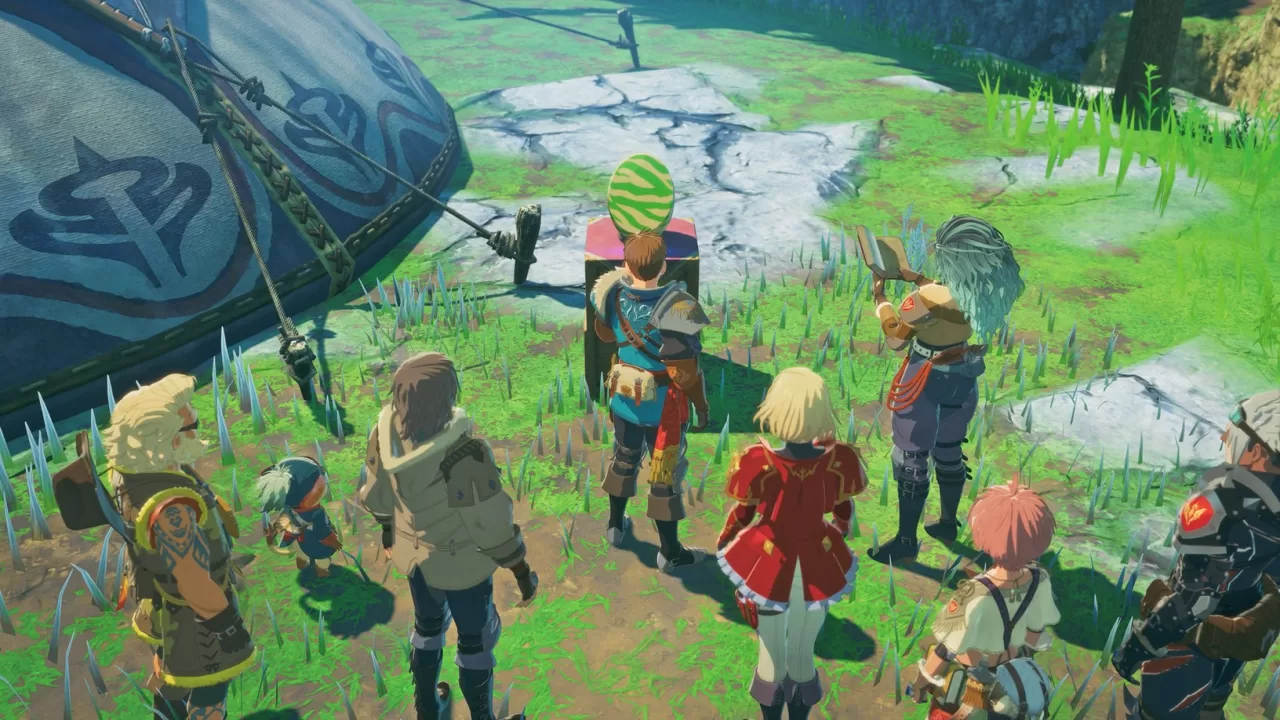
The game’s story is very compelling. It’s filled with very complicated topics such as war, where both sides have a proper reason for doing what they do — it deals with loss, betrayal, belonging, and more. How did the core message influence the way that you approach the story and the heavier themes?
Oguro Kenji: How I thought about the game and how I conceptualized it – when I thought about this next entry, I was thinking very much about raising the age of characters, and in particular, not just the way they look, but also, you know, the story elements. So with regards to the main character, of course, he’s older, and he’s, for the first time in this series, able to talk and has a speaking voice. And also, I wanted to focus a lot on his position as a Rider, as a more mature individual.
Everything in this game is on a bigger scale. Now it’s a country-wide scale, and I really wanted to capture how a ranger would think and how he would engage in relationships with various stakeholders, for example, the prince and princess of this country, and basically the very adult relationships – the mature themes and relationships – that they would have as an older character.
Another big benefit I feel that we have brought this time is that we are able to tell a very nice story by having a talking main character and by having him interact with a lot of characters with his voice lines, they feel that he will be able to more easily convey it to players like ‘Oh, this is what a captain of the rangers would do’, or ‘this is how a prince would behave’ and how they would interact with each other. And he feels that this would bring new and exciting elements to the game and the story.
As an RPG player myself. I think that the way that you guys did the story (i.e., how round the characters were), I was very, very enthralled by the entire experience. I want to say that given how different Monster Hunter Stories 3 is in terms of those adult themes from other titles – mainline and even the first two Monster Hunter Stories games – were there any difficulties? How did you go about that? Did you have any inspirations?
Tsujimoto Ryozo: One of the things that we considered very heavily is that, whichever game you play – whether it’s Monster Hunter Stories 1, 2, or 3, we don’t want you to feel don’t want you to feel like you have to start with the first game in order to understand or to enjoy the third entry. We want you to be able to pick up any entry from the game and be able to enjoy it and enjoy that story as it is, and have fun with it.
We want it to feel more like an RPG than ever before, and we want people who love RPGs to really enjoy this game and get into it.
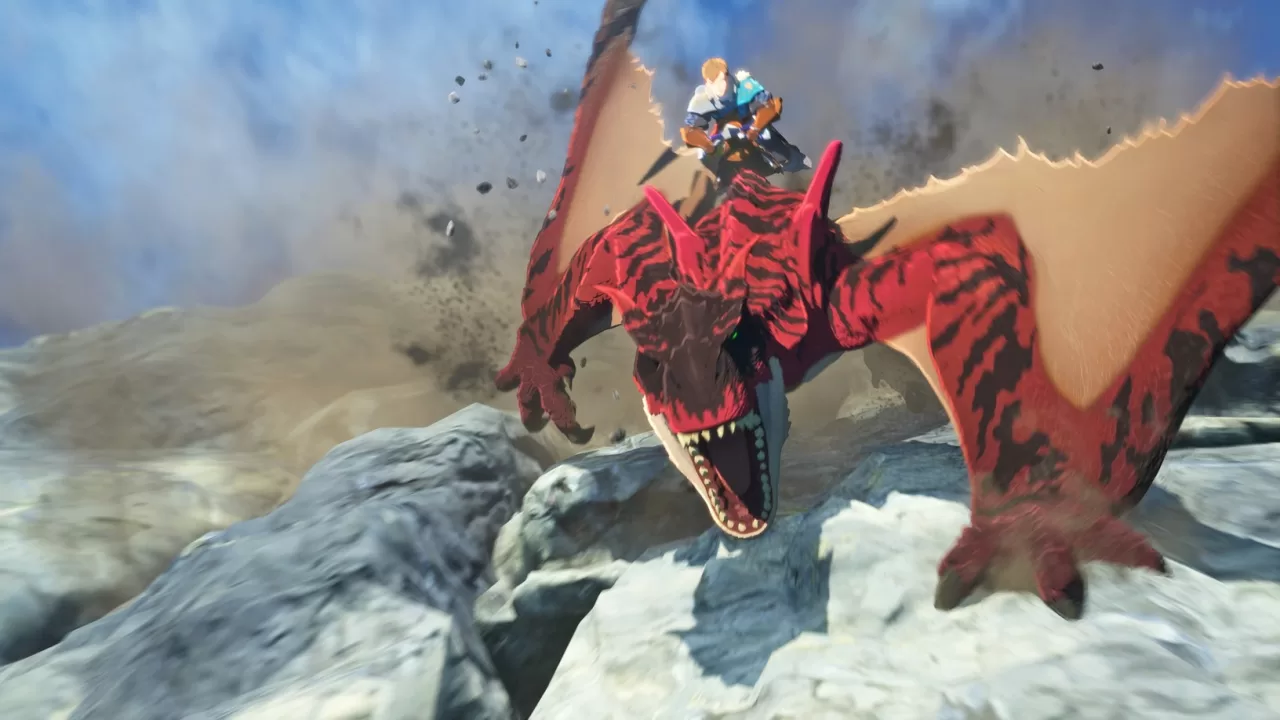
Combat seems to have a lot of trial and error when it comes to attack types, making combat quite complex. Does the dev team have a recommendation and how players should approach the game’s combat better? Because even for an RPG player like me, it was a little bit difficult.
Wakahara Daisuke: It sounds like you really enjoyed the game, and I’m happy about that. One of the main things that I had to consider when designing the game’s battle system was the Rock Paper Scissors element.
When you think about the story progression, there will be monsters that will be difficult to beat when you’re going through the game, and so what I really had to consider is the strategies that players will have to use when they hit a wall, when they’re facing a difficult fight, and how they’re able to use different monsties or one of the options that are available to them in order to overcome such challenges.
If there are any players who find difficulty in progressing through the game, I really recommend them to make full use of the Habitat Restoration feature, because your monsters can get a lot stronger from taking advantage of this feature.
Preparation is always one of the core concepts of Monster Hunter, and hunts in core Monster Hunter games are all about players equipping the right weapons, decorations, armor, etc. In an RPG setting like this game, where players don’t exactly know what’s going to happen next, and you can only equip one weapon for the three main weapon types that you can equip, how do you suggest that players go about preparing for these fights? Or is that, is that aspect of preparation something that isn’t essential to Monster Hunter Stories 3 as it is for the main titles?
Oguro Kenji: I’d like to give an overview of our battle vision or how you plan battles in this game.
The way the original Monster Hunter main series is designed is that it’s an action game where you already know what monster is coming next, so preparing for it is part of the fun.
For this game, because it’s more of an RPG, even if you were to include elements of preparation, which is something that you seem very keen on, I feel that it would not be as heavy or as impactful as compared to the main series.
The vision we had for the game is basically that we want you to have many different types of experiences. And basically, the way you experience this game is very similar to a traditional RPG in which, if you’re too underleveled, then how do you overcome that? If you consider whether you’re using the correct element against the right monsters, and also, as we explained earlier, Habitat Restoration is very important, so we want players to take full advantage of these features in order to overcome challenges in this game.
The type of preparation you’d enjoy in this game is different from the main series, where you’re not preparing different armor or weapons or thinking of different ways to fight like in an action game, but basically, the strategy involved in this game is more about thinking about how to win when you come up against a monster, like a boss monster that’s really difficult to beat, you really need to consider all the elements you mentioned earlier, and making these adjustments to your team and to your gameplay is what’s really exciting and fun about this Monster Hunter Stories series.
The world in the game opens up really early, especially in terms of Habitat Restoration, clearing feral monsters per region. From a game design standpoint, how do you recommend players approach these aspects of the game? Should they strive to finish everything as soon as they can in Azuria before progressing the story? Or should they just progress through the initial parts of the story first and then go do the side stuff like Habitat Restoration when they hit a wall?
Oguro Kenji: It is the wish of all of us directors and game designers that players be able to enjoy this game the way they want – play as freely as they want. If you play in your ideal way, you should be able to access more options and enjoy the game the way you want to.
Of course, if you play by fighting all the bosses, doing Habitat Restoration, and clearing through Azuria, then the game will progress more smoothly.
Habitat Restoration is very fun and, in my personal opinion, if you play through the Habitat Restoration feature, you will be able to expand your party and have many new options and new elements you can enjoy through the gameplay. So I really recommend starting with that or focusing on that as well.
Tsujimoto Ryozo: With the RPG genre, I think it’s very typical that players would want to experience everything, or you feel like you have to do everything — you have to open every chest, you have to talk to every single person, you have to visit every single area, and complete every submission. This is a typical RPG style.
We designed this game to feel a lot more, maybe casual in that sense, but where, instead of feeling that you have to do everything and have kind of this FOMO, you have this feeling where maybe I’ll try going over there and maybe enjoy the simple joy of finding something new and exploring. That’s really what we were trying to push for with this game.
Monster Hunter Stories 3 will be released on PS5, Xbox Series X|S, Switch 2, and PC on March 13, 2026.