

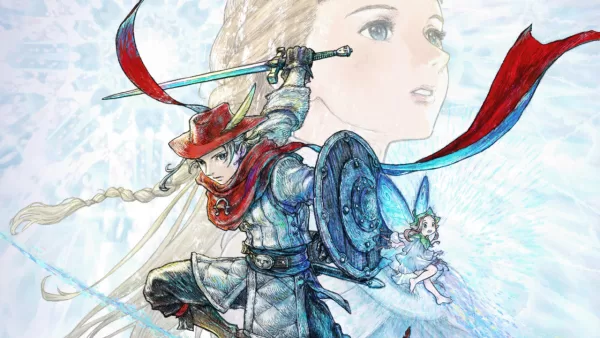
Over the years, we’ve seen Square Enix release some great HD-2D titles, and now, the latest one is here – The Adventures of Elliot: The Millennium Tales.
While the other HD-2D games before it (such as the Octopath Traveler games and the Dragon Quest III Remake) were turn-based RPGs, The Adventures of Elliot is a bit different. This game is instead an action-adventure title that’s reminiscent of old-school Zelda games. As such, it offers a bit of a unique experience for fans of Square Enix’s HD-2D works.
At Tokyo Game Show last year, I got to try a quick hands-on of the game, but that only gave me a tiny slice of the 30-odd-hour adventure that this game offers. Even then, I was already quite charmed with the game, as I just love the presentation and style of the HD-2D titles.
Now, after having played the release version, I can say that The Adventures of Elliot, while fairly simple overall in terms of gameplay, should give fans of classic action games a fun time.
Simple but Fun Action Combat, with a Co-op Twist
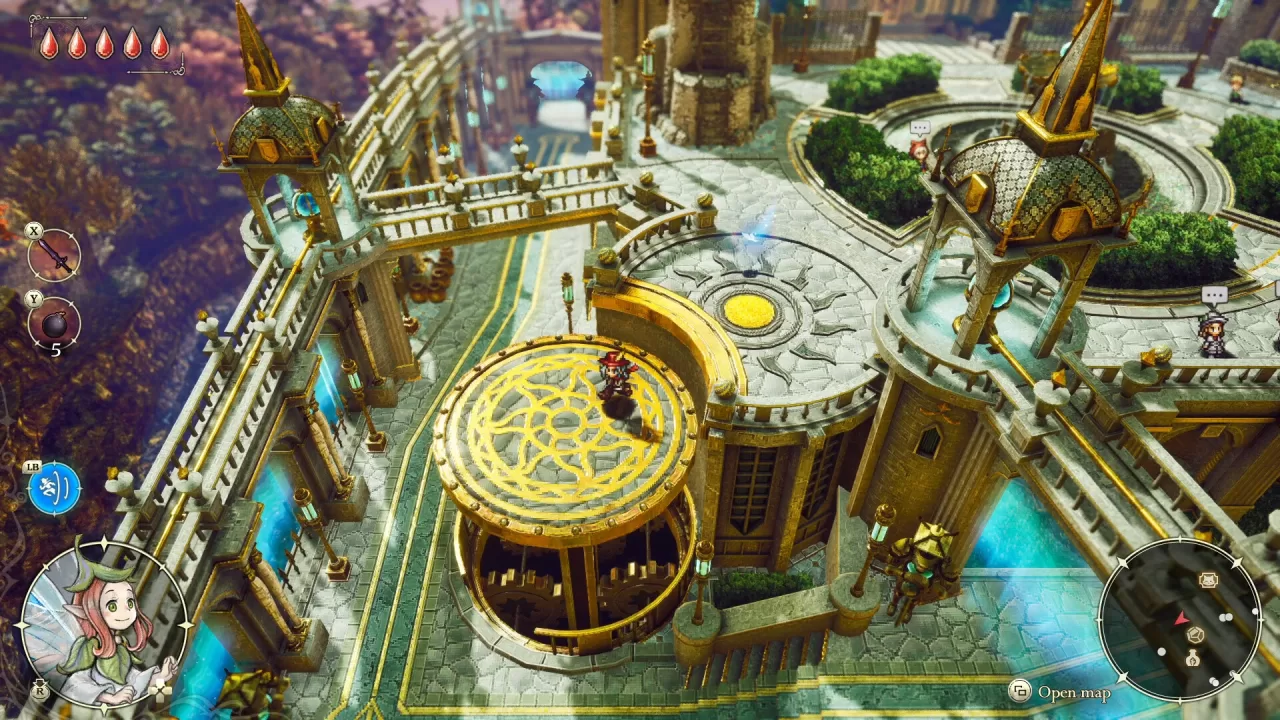
When you start Elliot’s adventure, you’ll only have a sword and a shield with you. As you proceed through the early parts of the game, you’ll soon get six other weapons. You can equip two weapons at a time, with each weapon’s attack set to the Square and Triangle buttons on PlayStation. One press is a standard attack, but you can also press and hold for a charge attack. When pressing R2, you pull up a weapon wheel that lets you switch the weapons you have set.
While you can’t really switch weapons mid-attack, the fact that swapping is fairly easy means you’re encouraged to use your seven weapons, depending on the enemies you’re up against. When there are plenty of enemies, you can also use your shield to block or parry. But you’ll need to be careful when blocking, as you can leave yourself vulnerable to attack if the block meter is depleted. As such, you’ll also want to keep moving.
Also giving you more combat options is your partner, Faie. After you meet Faie early in the game, she’ll join you in your adventure, and she provides some nifty abilities, such as Sprint, which lets Elliot move faster. Faie also has a Warp ability, where Elliot can teleport to Faie’s location. These abilities are on a cooldown, so you can’t just spam them. You can swap active ability, which encourages switching (Faie’s abilities are triggered with L1).
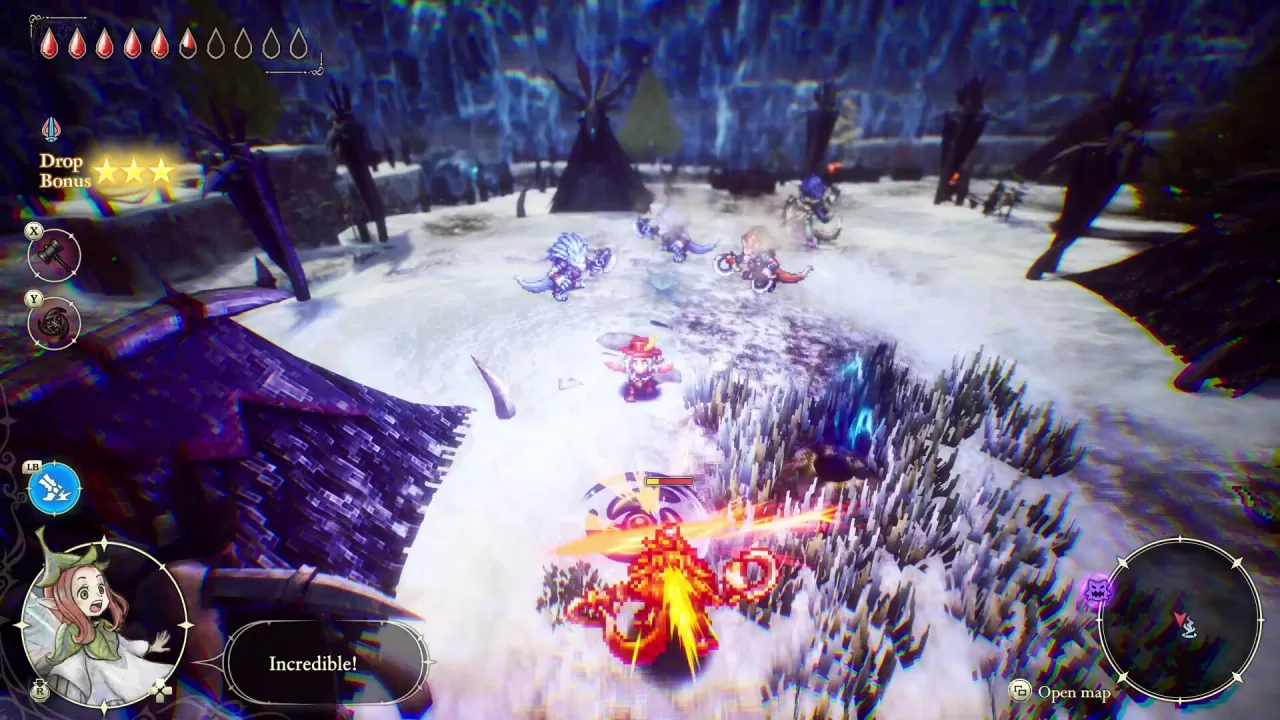
An interesting thing about the game is that it has a co-op feature, where another player can control Faie. This can be fun for friends or couples, as this opens up even more options in combat. It’s just a bit weird in that Faie is only unlocked around 2 hours into the game, meaning your friend/partner will need to just watch you play the prologue, or skip it entirely, relying on you to explain the story to them.
Co-op is very much optional in this game, as you can just choose to control Faie on your own with the right analog stick. Moving and attacking with two characters is tough, so this isn’t something most players should do. For those who can learn to play both Elliot and Faie, having this as an option is welcome.
Much like co-op, you can simply play the game without having to manually control Faie in combat, as the Normal difficulty isn’t particularly hard. This is partly because the game’s combat is fairly simple overall. There’s also the fact that most enemies move predictably.
You’ll face plenty of beasts as you explore the game’s world across its various time periods, though we do wish that there were more enemy variety, especially in terms of moveset. While the game is still fun, its combat doesn’t feel particularly deep when just up against mobs. Even if you go with a higher difficulty setting, enemies are still fairly predictable (though you do need better reflexes).
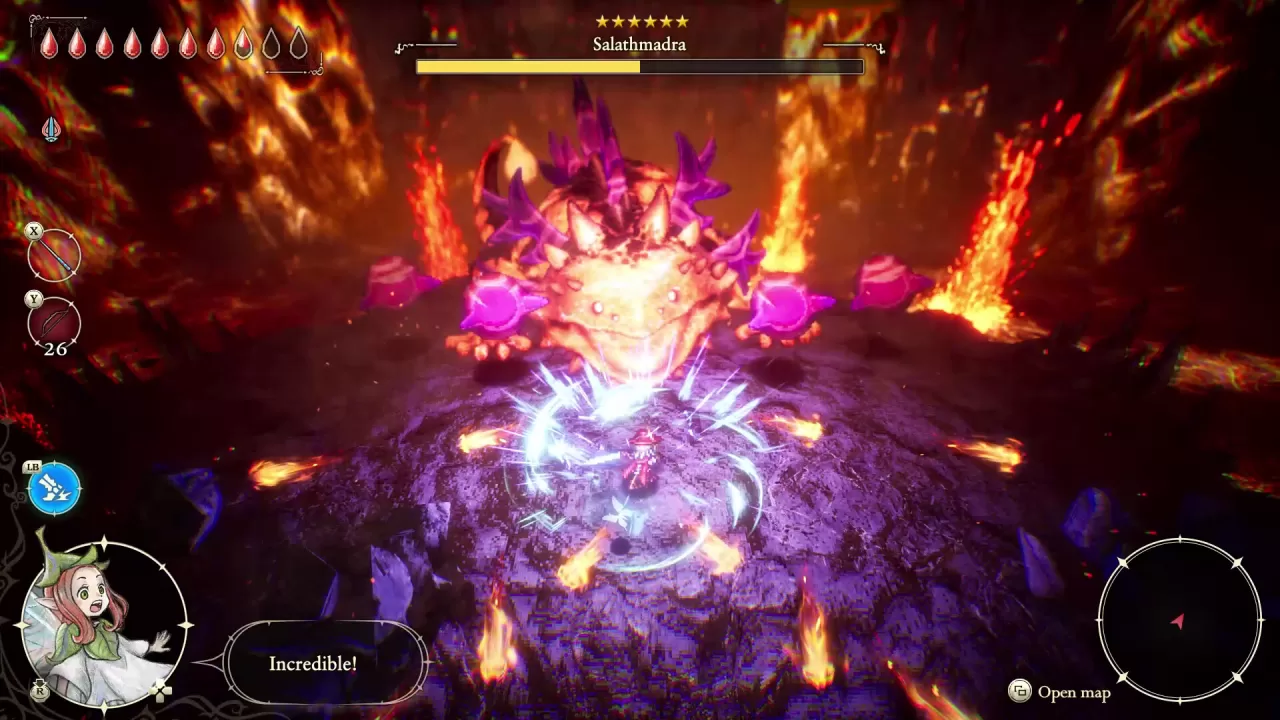
Thankfully, the game’s bosses are much more fun mechanically. Again, they shouldn’t be too hard on the Normal difficulty, but they at least have more moves to think about when you’re up against them. Thus, some of these bosses, especially later in the game, can keep you on your toes.
What also helps is that, like Zelda, there’s no leveling mechanic in this game. Given this, you won’t need to farm enemies to get stronger. Instead, the Magicite system serves as the primary way of increasing your damage output and giving you more weapon buffs.
In your adventure, you’ll encounter enemies that drop Magicite Fragments, or you can get these via treasure chests. You can use these to create Magicite mods. These mods either give your weapon a simple attack boost or they can add strong buffs to charge attacks, among many other creative mods. Given that some of the mods can heavily alter your playstyle, coupled with the fact that you can only equip a few of them per weapon, selecting the right one is key.
In all, this game’s action combat is nice, but I can’t exactly say that it’s a must-play for gameplay alone. What makes this an overall fun experience is the combination of its old-school combat with its similarly classic fantasy story and world.
A World and a Story Across Time
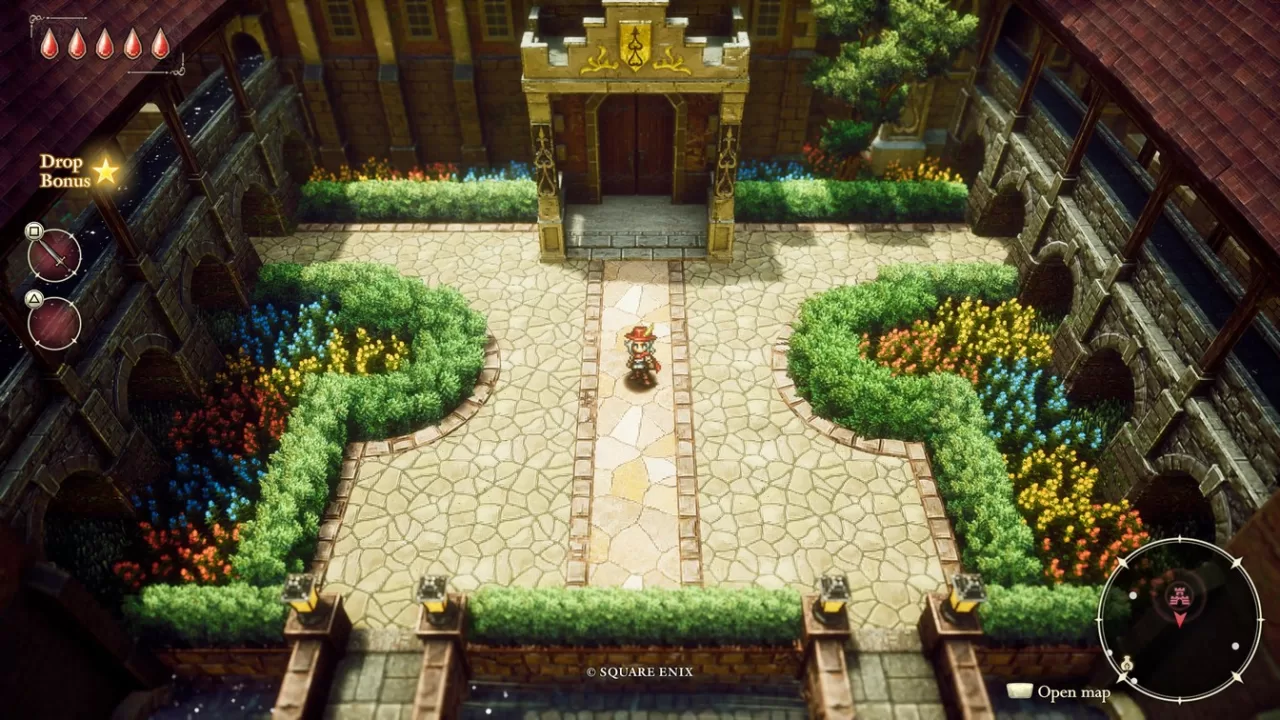
The Adventures of Elliot is set in Philabieldia, a world where beasts roam the lands, yet humans are able to survive under the safety of a magical barrier in the Kingdom of Huther. This barrier is maintained by Princess Heuria, whom the protagonist Elliot meets after receiving a request from Huther’s King to investigate a mysterious dungeon.
Soon after, a portal across time is discovered, though a nefarious adviser to the king goes through this portal in his quest for power. So, it’s up to Elliot to embark on a journey that will take him across four ages to ensure the kingdom’s safety.
At the start of his adventure, Elliot is accompanied by Princess Heuria, who is able to talk to him and see what’s happening through magic. Once Elliot’s time-traveling journey begins, his companion soon becomes Faie.
While playing the early parts, I found Heuria to be quite a charming companion, even though she does tend to be a bit repetitive. I ended up missing her a lot when Faie became Elliot’s partner.
Sure, Faie is also adorable in her own way, but she gets rather grating. This isn’t because of her voice actor, mind you (who I thought did a pretty good job). It’s just that she says a lot of obvious things, and her lines get repetitive to the point of being annoying. I get what they were trying to do here, as I usually like these constant companions like Mimir in God of War and Dollman in Death Stranding 2. Faie’s presence, for comparison, is just a bit much. Thankfully, Square Enix had the foresight to add a setting that lessens Faie’s lines, which helps tone her down a lot while still keeping her presence felt.
My thoughts on Faie aside, when it comes to the story, this game is pretty interesting. Sure, there’s nothing really groundbreaking about the story, as you’d probably see most of the plot developments coming if you’ve played any fantasy game like this before. But the story does work, as it was compelling enough to keep me playing. It also helped that there are plenty of characters that have unique personalities (though I did find it a bit hard to keep track of them all).
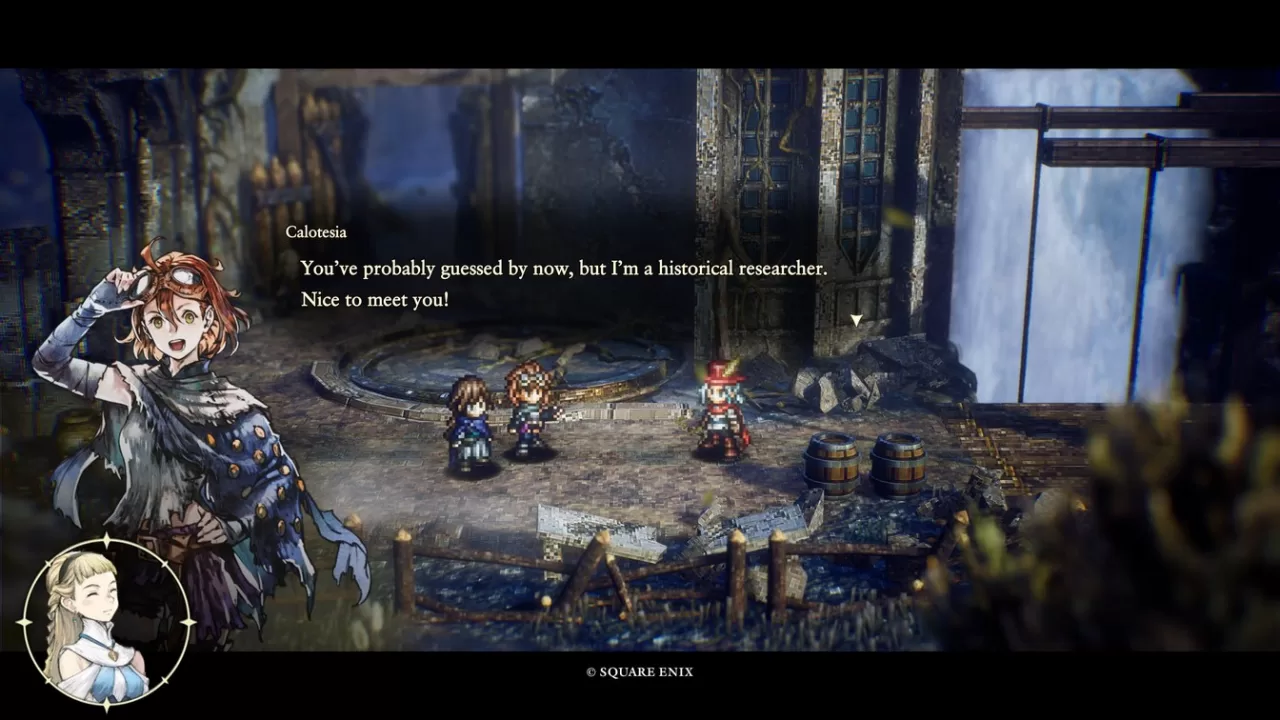
In terms of impact, I would say that this game’s story isn’t as hard-hitting as the Octopath Traveler games, but the overall plot and lore are much more developed than something like the first and second Dragon Quest games. In particular, the fact that you travel across four different ages gives a good feeling of depth to the game’s world.
On the flip side, the game’s world can feel a bit small, especially as you basically explore the same map across the four ages. Sure, there are changes in terms of style, but the core layout does not differ all that much. I would’ve liked to see more variety between the ages, or more interactivity; it would be great if something you did in a past age could affect a future age.
Speaking of traveling between ages, the game lets you fast-travel through the different ages. This is a nice touch, as I much prefer having this option instead of being stuck in an age depending on where you are in the story.
What does help a lot in elevating the game’s world and story is the HD-2D presentation. I’ve praised this multiple times, and I won’t stop anytime soon, as Square Enix’s HD-2D style feels cozy to play. It’s also nice that, even though Elliot is firmly an HD-2D game, it still has a distinct style that you can tell apart from the Octopath Traveler and Dragon Quest games.
The Adventures of Elliot: The Millennium Tales Final Verdict – 8/10
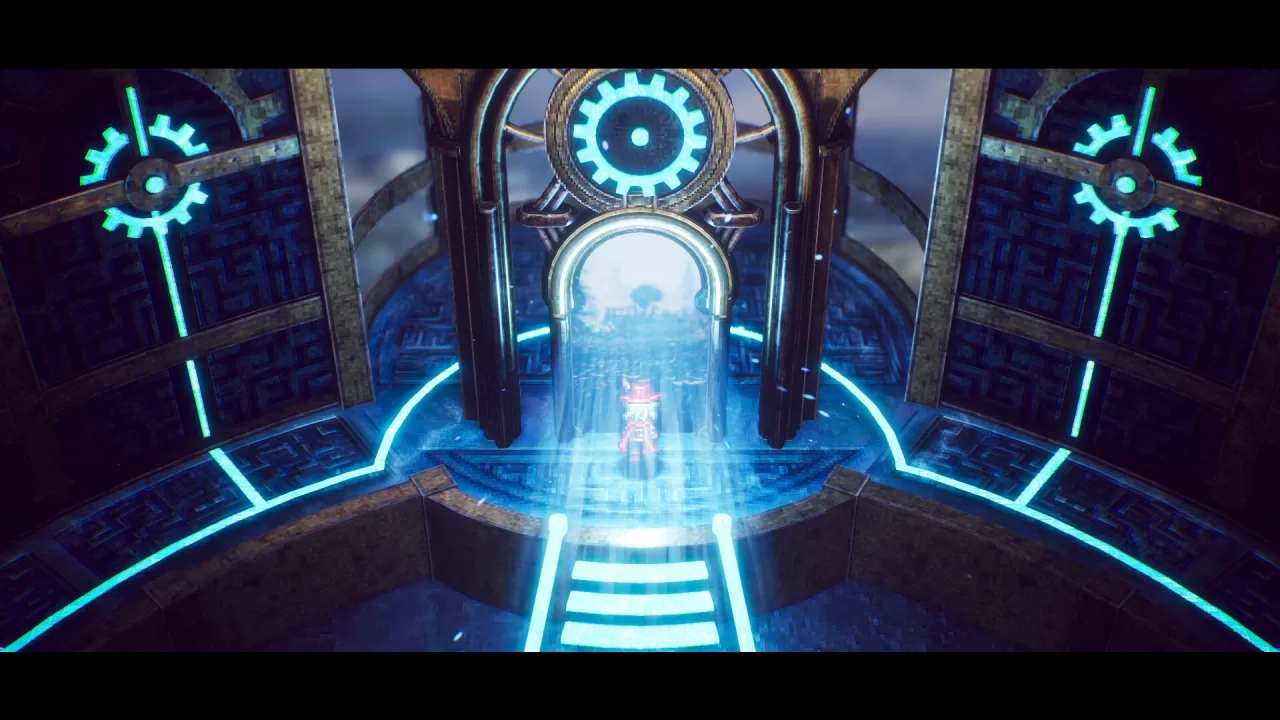
Square Enix continues its streak of releasing fun HD-2D titles with The Adventures of Elliot: The Millennium Tales. The game’s throwback action combat and familiar fantasy story are great, and they’re made even more delightful thanks to its lovely presentation.
Overall, while its mechanics are fairly simple, there’s a lot of fun to be had here for fantasy game fans.
This review was made via a PS5 game code provided by the publisher.