


Ahead of the Infinity Castle film’s PH release, we got to chat with Takahiro Sakurai, the voice of Giyu Tomioka, a major character in the mega-popular Demon Slayer anime.
Many anime fans are likely familiar with Sakurai. For those who aren’t, Sakurai has voiced fan-favorite characters in many popular shows, including Arataka Reigen in Mob Psycho 100 and Suguru Geto in Jujutsu Kaisen. In Demon Slayer, he voices Giyu Tomioka, one of the most important characters in the series. After all, Giyu was the first Hashira we ever met, and as shown in the Hashira Training arc, he is also one of the closest ones to Tanjiro Kamado, despite his aloof nature.
It’s fair to say that Giyu’s emotionless nature is one of his defining features, yet he’s also a character with depth, especially given his past. We imagined that this would be hard to portray as a voice actor, though Sakurai does it well in the anime if you ask us. As such, this was one of the key things we asked Sakurai during our interview with him.
Along with the challenges of voicing such a character, we also asked Sakurai about his thoughts on Demon Slayer and why it has become such a massive hit.
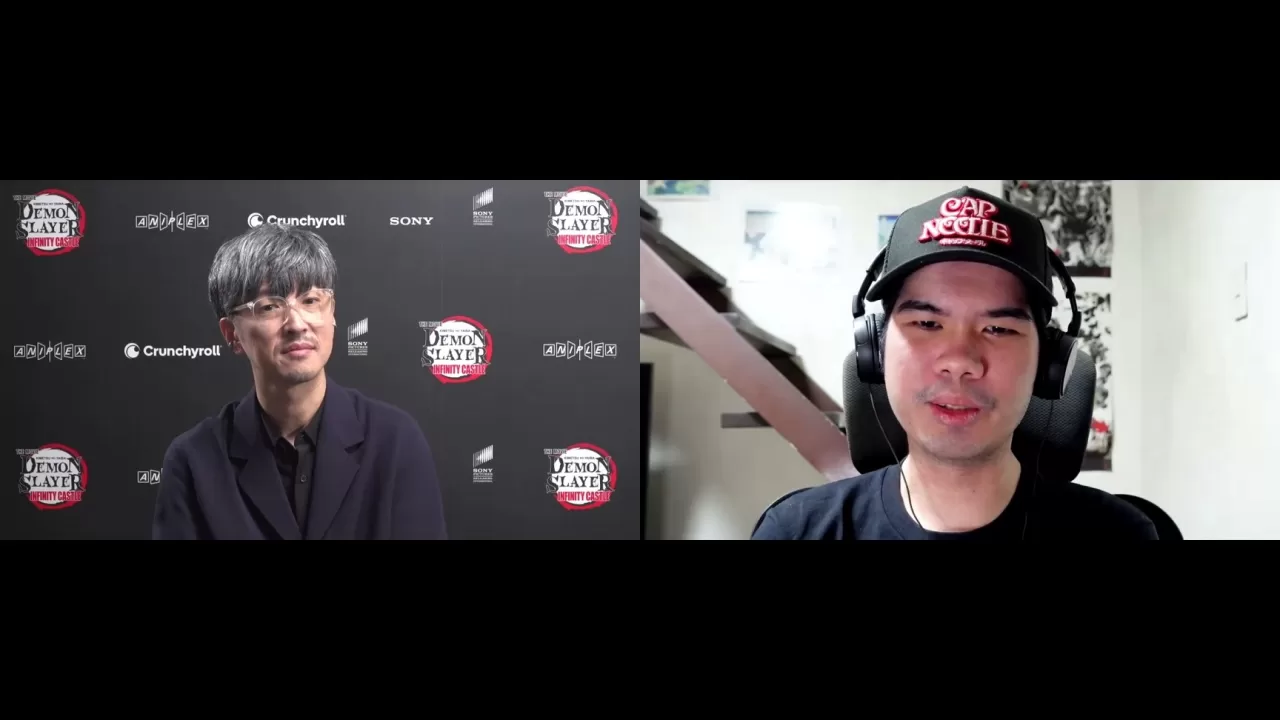
The following is the complete transcript of our interview with Takahiro Sakurai, edited for clarity:
Since the release of the first season, Demon Slayer has become a worldwide phenomenon. Given how fans from around the world are excited for Demon Slayer: Infinity Castle, did you feel any pressure voicing such an important character in the anime?
TS: I’m honored to be playing in such a famous, worldwide-known anime. And to be honest, when I first got this role, I didn’t even know it would become this big. So it’s such an excitement. It’s such a blessing. At the same time, I’m really happy and excited, but also, the story is getting a lot more serious than exciting. Of course, [it’s still] exciting, but [also] very serious. So I’m trying to, kind of, figure out how I can tame myself as the movie goes forward.
Giyu Tomioka is a cool character with a stoic demeanor. How do you convey this nature of his while still showing off his more caring side?
TS: What I do, the baseline [of it], is to not think too much, not put too much emotion, not try to be cool and stoic, but more just take it one step at a time, one word at a time, one line at a time.
Of course, within this cool, calm, and collected character, there’s a lot more to Tomioka Giyu. And for me to express that—that was the challenging point. But the main part is to just simply be present and take one line at a time.
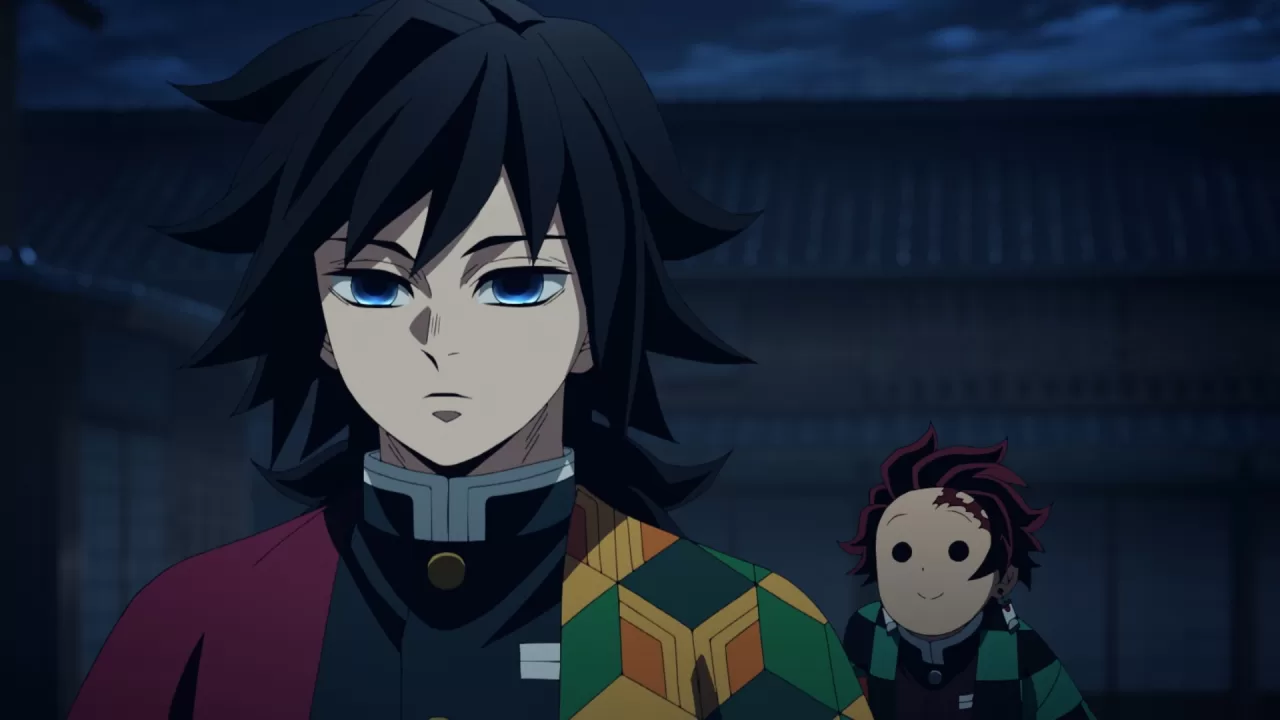
Demon Slayer is a uniquely Japanese story, but it has become incredibly popular overseas. What aspects of the series do you think resonated with fans around the world?
TS: First of all, I think the biggest factor that this Japanese anime became popular around the world is that there’s a common theme in the anime where we talk about family, love, caring for each other, supporting each other, and fighting for each other. This is something that’s universal; it’s not just about Japanese culture.
Of course, the fact that it’s made in Japan, produced in Japan, and involves a lot of Japanese culture within the anime is another exotic point that attracted international fans and viewers.
And one thing I find interesting, this one’s a little bit hard to translate, is that Demon Slayer in Japanese, Kimetsu no Yaiba, the “ki or “oni” part is closer to something like a monster, not a demon. But I find it interesting how it’s translated for the English title. It was translated to “demon.” As Japanese people, we think “oni” is more like a monster that’s kind of scary and eating people. But rather than going straight into “monster,” they translated it to “demon.” And I think that the title translation was also something that kind of caught the attention of fans across the world.
[TRANSLATION NOTE: The “ki” in Kimetsu (鬼滅) is the “on’yomi” reading of the 鬼 kanji. This reading is typically used for compound words. When used by itself, 鬼 is usually read as “oni” which is the “kun’yomi” pronunciation. Essentially, “ki” and “oni” mean the same thing, though as Sakurai mentioned, “oni” in Japan can be quite different to demons in other cultures.]
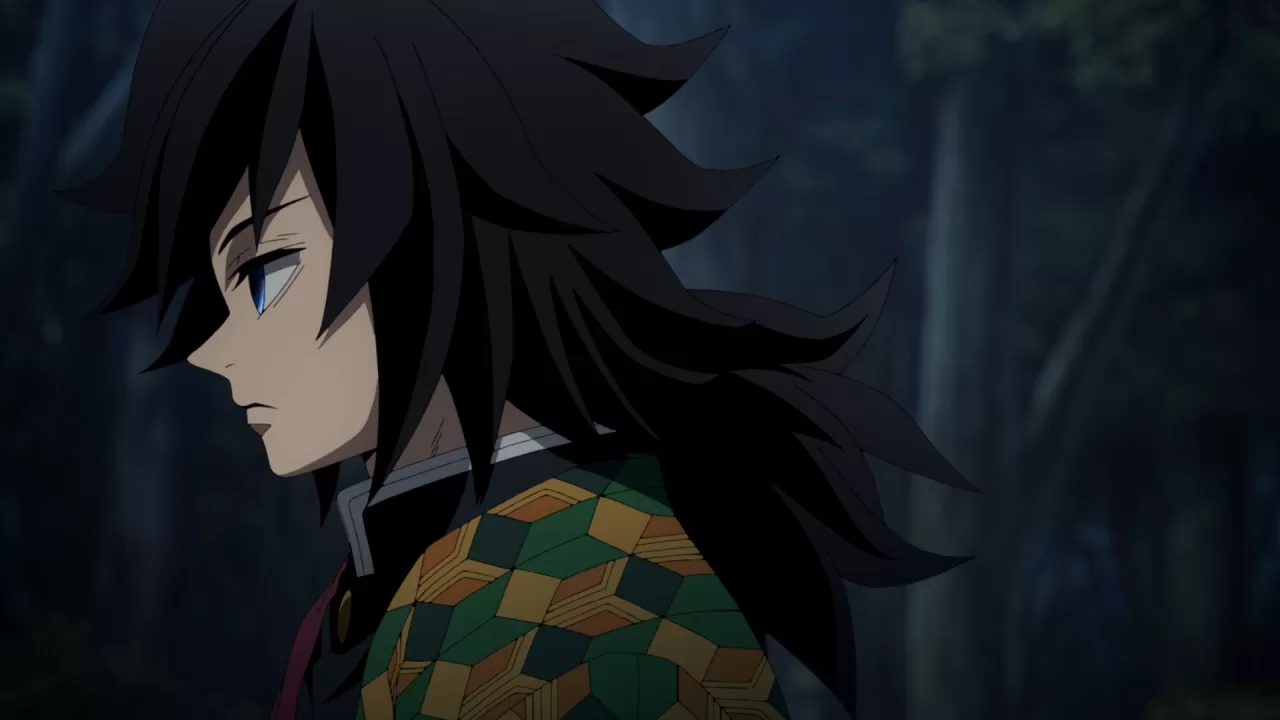
Over the past seasons of the Demon Slayer anime, what scene do you think was the most difficult to portray Giyu in?
TS: It’s not a particular scene or episode, but I find parts where I have to express something in one word. This is the hardest, the most challenging point for me.
For example, in Giyu’s Mugen Train scene, there’s a line where I say “souka,” which is like “Okay,” “I see,” or “all right.” In that one word, “souka,” I had to put a lot of emotion, a lot of message behind it. So that was a challenging scene
Demon Slayer- Kimetsu no Yaiba Infinity Castle will be released in cinemas across the Philippines on August 20, 2025.