

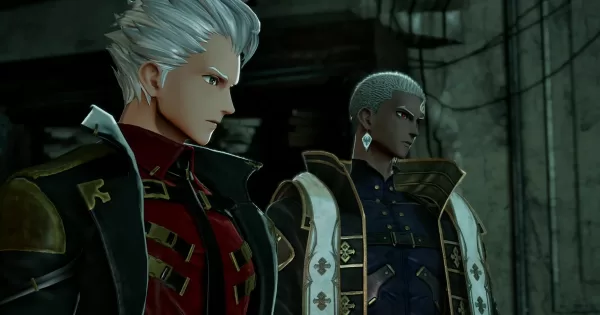
It may have taken a while, but finally, Code Vein II is here, and from our time with the game, we can say that it’s a bigger experience that’s also better in many aspects.
The first Code Vein was released back in September 2019, and while it was a nice, anime-inspired take on the Souls formula, it had some issues that prevented it from reaching greatness. These include some combat and story-related cons. Still, even though it’s far from a perfect game, there were still plenty of good things about it that made it right up the alley of genre fans.
Enter Code Vein II. This sequel promises to deliver similar thrills to the original, all while adding plenty of improvements. That was also our impression of it during a recent hands-on preview ahead of the launch. While that initial preview was only a couple of hours long, we did have a positive experience overall regarding the game’s combat. As such, we were looking forward to playing more of the game.
Finally, we got a chance to experience the full version of the game, and what we can say is that, while there are still some issues here that aren’t ideal, in many ways, it does deliver on its promise of giving players a bigger experience. This is thanks in large part to the game’s open world.
A Larger-Scale Experience
Given its level design, bonfire-style checkpoints, and difficult combat, Code Vein got many comparisons to Dark Souls (which is also published by Bandai Namco). If Code Vein 1 is Dark Souls, then you can also draw a comparison between Code Vein II and Elden Ring, given that they’re both big open-world games.
The Code Vein II open world can seem a bit daunting at first, though we think that the game does a great job when it comes to making exploration fun. Aside from having a ruined modern-day city vibe that feels interesting to explore, you also essentially get two versions of the world, courtesy of the game’s time-traveling element (we’ll get into this time-traveling mechanic below).
The open world isn’t just all empty space though, as you can see a bunch of points of interest as you explore. When you go to these, you can get some pretty good rewards. For instance, some can give you buffs while you are in a certain area of the map. These buffs work on a “per region” basis, incentivizing further exploration.
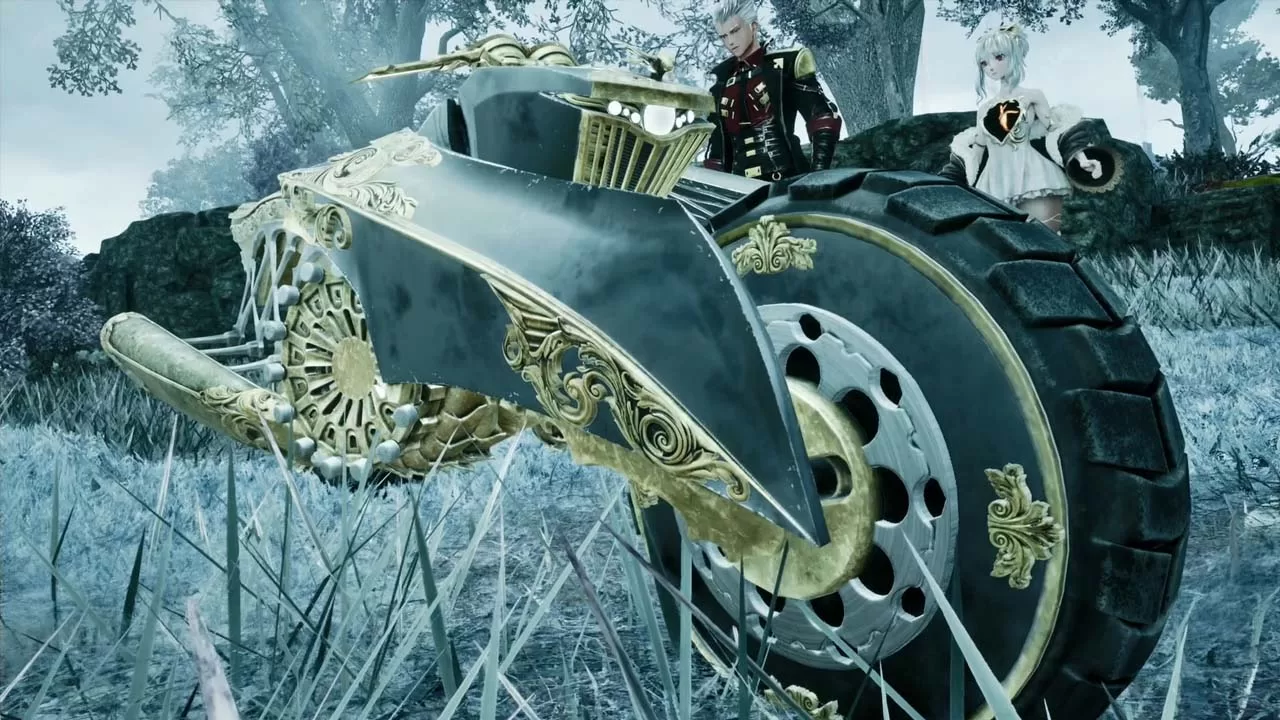
What also helps in this aspect of the game is the bike, which gets unlocked after just the first string of missions. This bike acts as your main mode of transport, and aside from being fairly easy to control, the bike can also jump and deploy wings to glide.
Aside from the open world area, Code Vein II also features more linear, Dark Souls-style dungeons. The design of these dungeons should feel familiar to any Souls fan, as they have winding paths that loop back around courtesy of unlockable shortcuts. What’s interesting here is that you can deploy an item that marks where you’ve been. This is a unique way of guidance, and it does take some time to get used to.
For the most part, the game’s dungeons are designed well enough, and many of them are also quite interesting locations in terms of visuals and lore. They also don’t feel small, but in terms of scale, they can’t exactly rival some of the Legacy Dungeons in Elden Ring (think Leyndell or Stormveil Castle).
Whether you’re exploring the open world or the game’s various dungeons, you’ll need to master the game’s combat system. As we’ve explored before in our hands-on impressions, combat revolves around getting ichor.
Your main goal in combat, aside from defeating enemies, is getting Ichor, which essentially functions as your mana. Ichor can be gained by draining enemies with your “Jail” item (by pressing R2 on PlayStation). Attacking enemies with your light or heavy attack builds up bleed on them, and the more they bleed, the more ichor you get when you drain them.
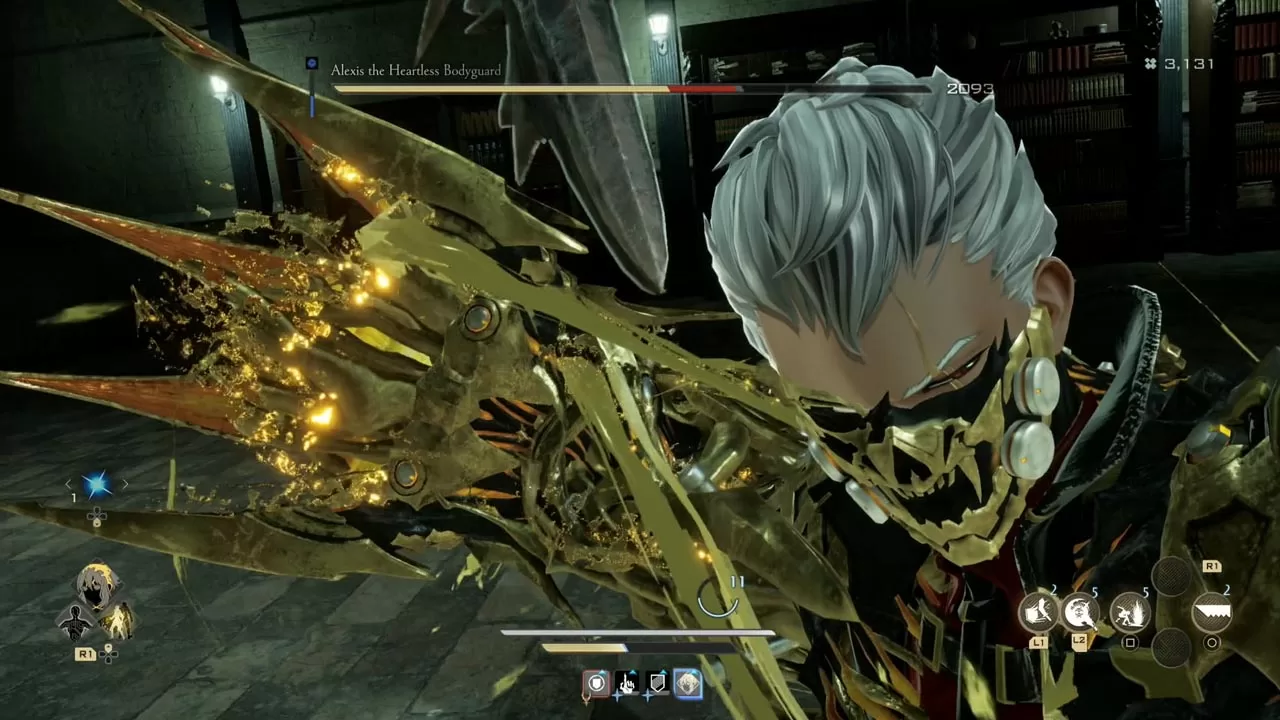
By pressing R1 plus one of the four face buttons, you can use your weapon’s Forma. These are weapon skills that vary from powerful AoE attacks to helpful buffs. These skills require Ichor to use. So, the flow of combat is that you’ll need to attack enemies to get Ichor, then use Ichor for powerful Weapon Forma. You also have to balance this with dodging and/or parrying enemy attacks. Once you get into the flow of the combat, it’s definitely engaging, and arguably more active-feeling compared to something like Dark Souls.
There’s also plenty of variety when it comes to weapons, as well as Blood Codes. These are unique artifacts that you can equip, and they have a big impact on your attributes. In our experience, the game incentivizes mixing and matching of gear (i.e., weapons, Jails, and more) to level blood codes, as different blood codes work better with specific set-ups. While you can stick with just one, we very much recommend experimenting in this aspect of the game.
Another interesting thing about the game is its Burden system. When you put on equipment with a Burden value that exceeds your stat, you get a penalty; it’s kind of like a weight system in other action-RPGs. During our time with the game though, even if the penalties are huge, depending on your build, you may consider tanking the Burden. This shows how surprisingly deep the game’s combat systems are.
Adding even more options is the game’s Companion system. During your playthrough, you have a partner character that helps you out. During combat, you have two options for this character that you can switch on the fly. First is Assimilation, where you absorb your partner, giving you buffs to your powers, stats, and abilities. You can use this to give you extra damage or survivability to get through bosses. If you ask us though, we stuck mostly with the second option, which is Summoning.
As its name implies, this option has your companion character be out on the field to draw aggro, deal damage, cast spells, and even get Ichor for you (depending on their build). The NPC also cannot die. They can get knocked around, sure, but they won’t die. Even just drawing aggro is such a huge thing, and coupled with the fact that they attack and use skills, having these companions is a godsend, especially for bosses.
As a bonus, these companion characters also effectively resurrect you when you die. When this happens, they disappear from the field, though they eventually come back after some time, which doesn’t take too long. Of course, the resurrection has a cooldown, so you won’t be resurrected indefinitely. Still, this mechanic does a lot in making the game feel more accessible in terms of difficulty. Plus, it helps that having these companions on the field enhances the story, especially considering that Code Vein II’s story is a character-driven one.
A Story with a Big Emphasis on Characters
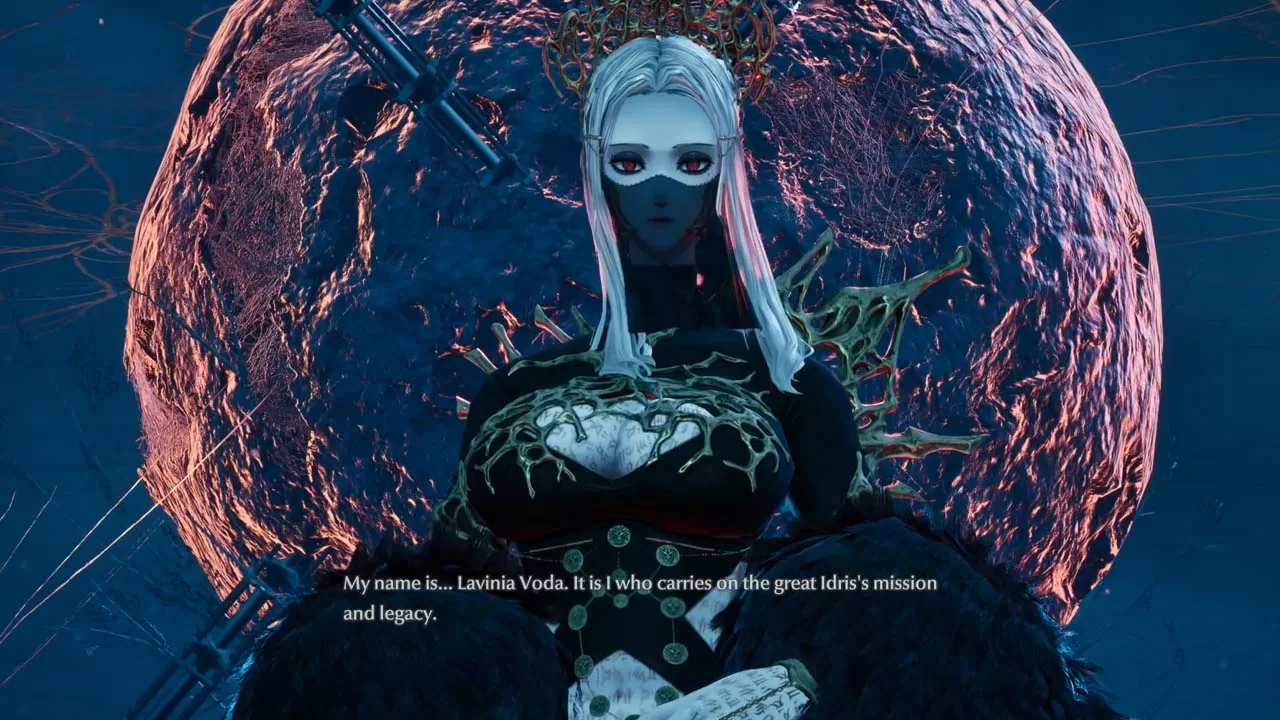
Story-wise, Code Vein II is quite interesting, as it’s not exactly a direct sequel to the first game. Thus, even players who haven’t played the first game should have no issues understanding the events here. Plus, the game starts with a cutscene that gives an explanation of what has happened in the game’s world.
Without getting into spoiler territory, we can say that the game’s story is compelling, thanks in part to the time travel element. In this game, your character travels 100 years into the past at certain times, and what you do in the past has an effect on the present world and story.
We also liked the fact that storytelling here is more “standard,” in that the events are told through cutscenes and dialogue. This is a far cry from the Souls-style of storytelling. While we also very much enjoy piecing together the story in games like Elden Ring, we do understand why this type of storytelling isn’t to the liking of some players. As such, if you’re one of those who aren’t into Souls-style vagueness, you might enjoy Code Vein II a bit more story-wise.
Perhaps the biggest appeal of the game when it comes to story is its characters. We found that Code Vein II is very much a character-driven affair. This is something we first noticed during our hands-on before. The game definitely shines in character-to-character interactions, as well as through flashbacks when you’re in the game’s main dungeons. What makes these parts memorable is that there is a strong melancholic undercurrent in many of these storylines, enhancing the game’s emotional impact.
As for the anime aspect of the game, there is some anime-style narration here, which we liked. What’s more, the game’s Japanese voice cast features plenty of notable anime voice actors. We’re big fans of anime seiyuu, so this is another thing about the game that we very much enjoyed.
Some Things Hold It Back
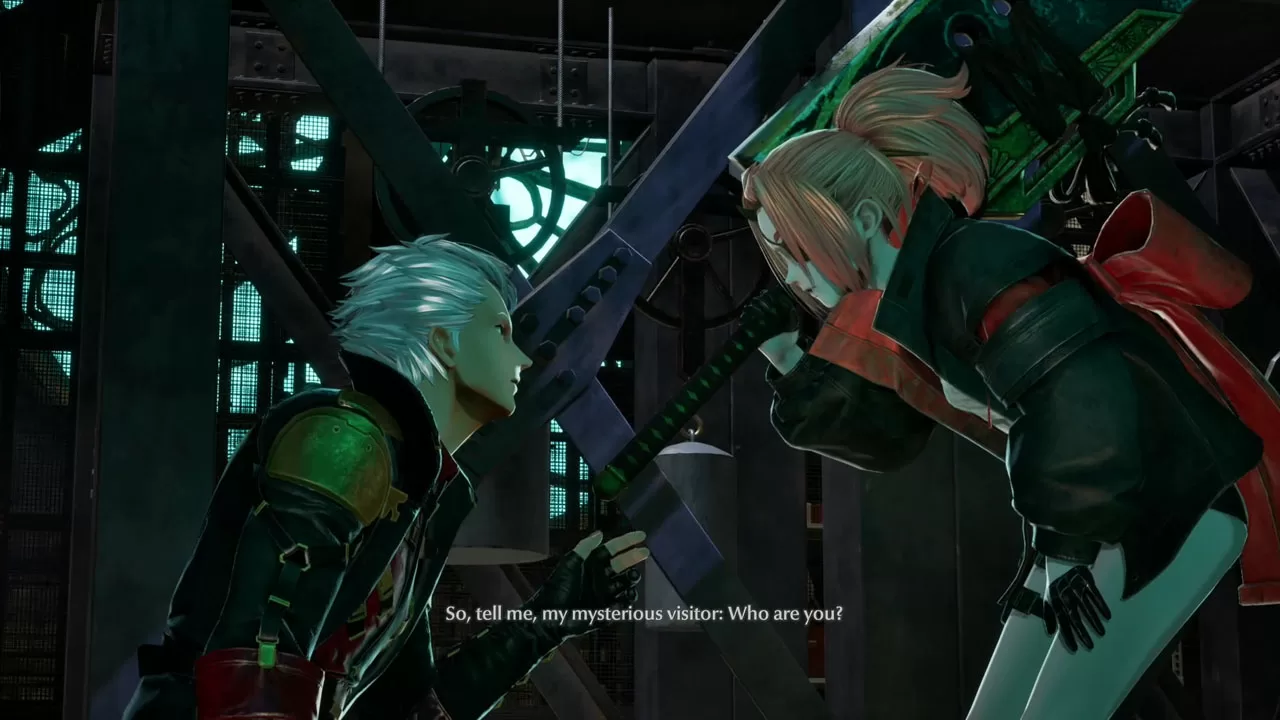
There are lots of things we loved about Code Vein II, but as with the first game, this is far from a perfect title. During our time with the game, we were annoyed by some things in terms of gameplay and technical elements.
Starting with the technical elements, we encountered some texture pop-in issues. Sometimes, character and item textures would just pop up at a certain distance, which doesn’t look great. This is a bit of a shame, especially considering that the game looks quite good visually, especially in terms of art style and character design.
Aside from this, we also encountered a bunch of audio and visual bugs, which again aren’t ideal. Thankfully, the bugs we encountered were far from game-breaking; they can just be immersion-breaking at times.
Perhaps our biggest issue lies in the combat. If you ask us, Soulsborne games live and die by their enemy design, and in this regard, Code Vein II could’ve used some more tweaks. While bosses are generally fun to fight, some of the mobs can get quite repetitive. This is fine for the initial hours, but fighting similar enemies throughout doesn’t feel the best. While it is an improvement from the first installment of the series, the game’s combat itself, while good, could be better in terms of attack rhythms and sound design for hits to give them weight to name a few.
Then, there’s the difficulty. While the game’s companion system makes the game more accessible (given the extra safety net that you get), we found that the difficulty can be all over the place. Some mob groups and bosses are cakewalks, but then the next boss has a massive difficulty spike, with some even necessitating learning to parry properly at least with how we played it. Since we’re very familiar with souls-likes, this was fine for us but it did occur to me that more casual players might find the difficulty spikes a bit jarring.
It would’ve been better if the game had a more gradual difficulty curve instead of having what seemed to be random difficulty spikes. Again, the companion helps a lot in making these difficult encounters feel less stressful, but the spikes can ruin the flow of the whole experience.
Map design is also something that could’ve been better. The open world is good, but some of the dungeons can be a bit dull, while others are a bit of a pain to navigate. Having winding dungeons is great for action-RPGs, but this part of Code Vein II can also be rather uneven.
Finally, while we think the story is good when it comes to the character moments, the plot can be a bit confusing or hard to follow at times. While there are plenty of explanations, it may take a while before you get a full grasp of what’s going on regarding the world and the lore.
Code Vein II Final Verdict – 7.5/10
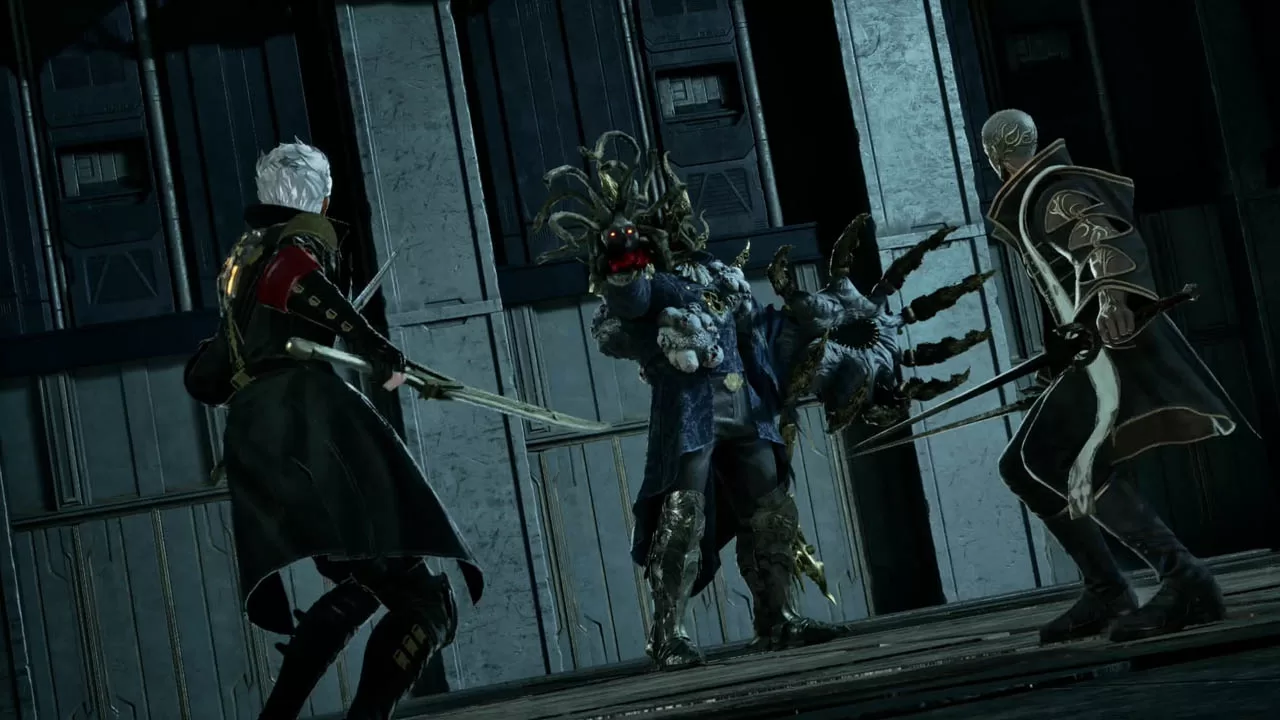
Overall, there’s a lot to like about Code Vein II. In most aspects, it’s an improvement over the first Code Vein. This is thanks to its good open world, engaging action combat, and character-driven story. On the flip side, some technical issues, along with uneven gameplay difficulty, prevent it from being a truly great action-RPG.
Still, this game is recommended for players who loved the first Code Vein, as well as for Souls fans looking for something familiar yet slightly different from Bandai Namco’s other offerings in the genre.
Code Vein II is available now on PS5, Xbox Series X|S, and PC.